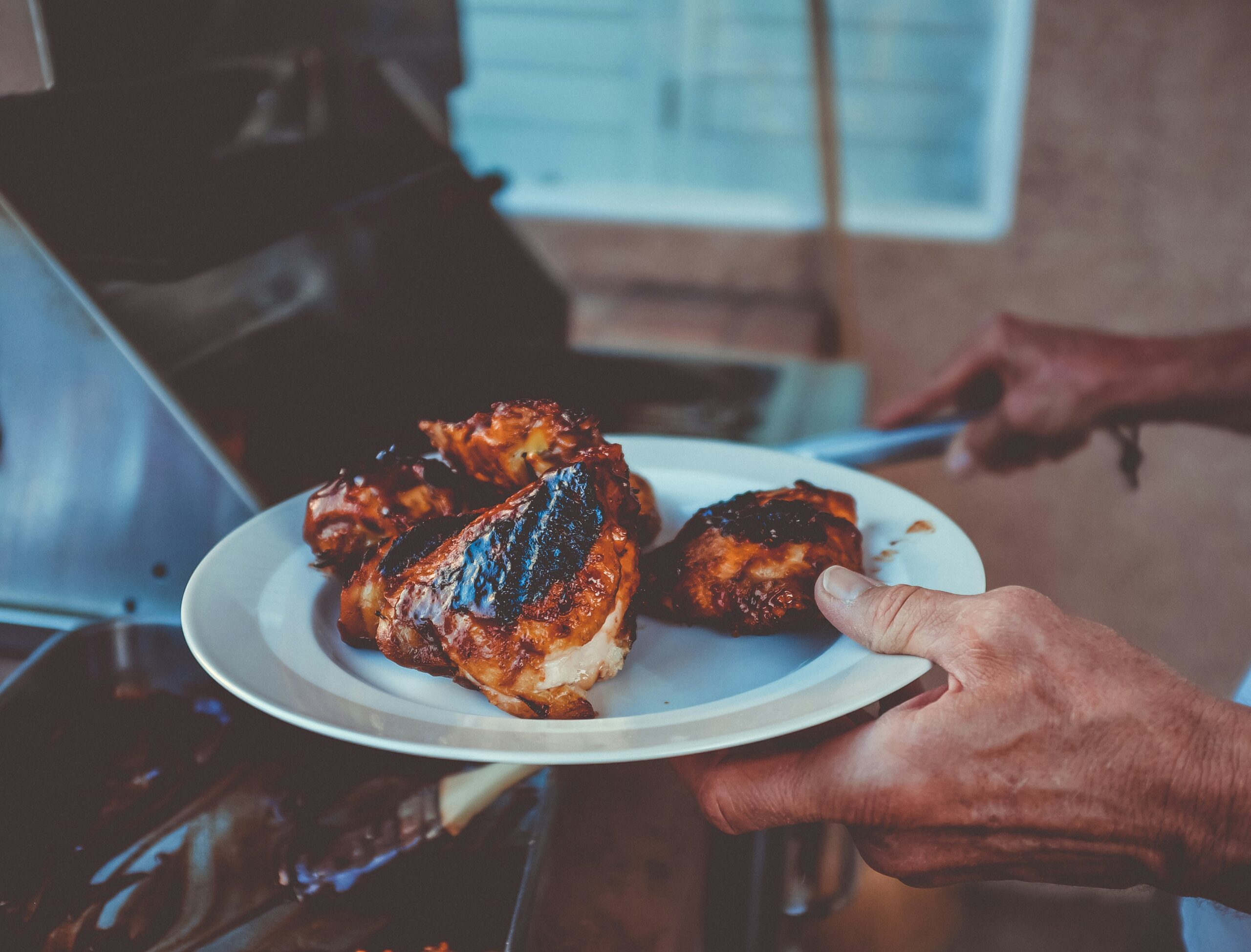
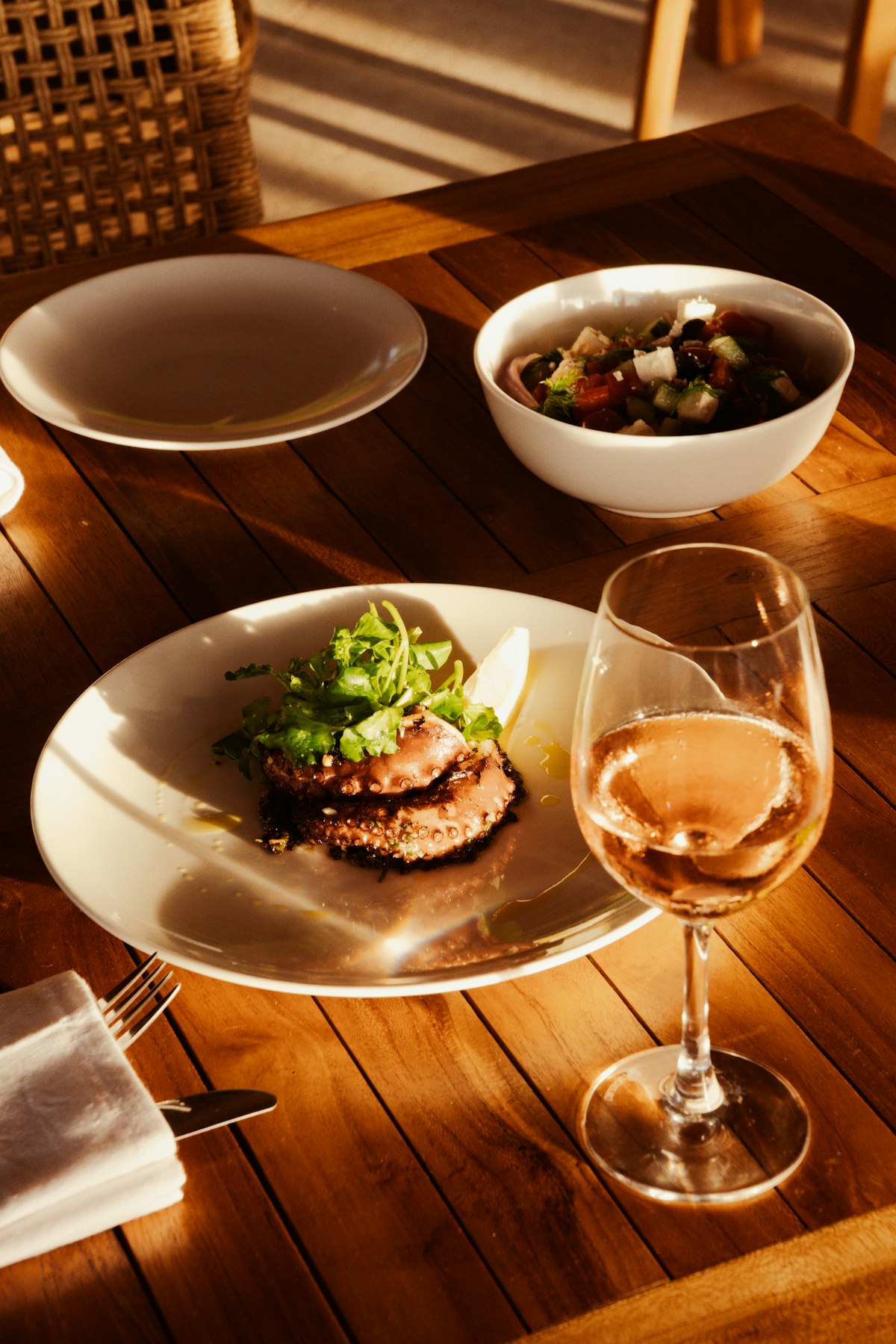
When the clock is ticking and you want something that is genuinely nourishing, bursting with flavor, and satisfying enough to keep you fueled for hours, the Mediterranean bowl is your answer. Inspired by the traditional eating patterns of Greece, Lebanon, Turkey, and the broader Mediterranean region, this bowl brings together whole grains, fresh vegetables, lean protein, healthy fats, and a riot of herbs and bright dressings, all in about 30 minutes from start to finish.
What makes this recipe particularly valuable is its infinite adaptability. The base formula works with whatever grains, vegetables, and proteins you have on hand, making it perfect for weekly meal prep, cleaning out the refrigerator, or feeding a crowd with varied dietary preferences. This guide gives you a master recipe, multiple component variations, nutritional analysis, and enough customization options to keep this bowl in your rotation for months without ever repeating the same combination twice.
Why the Mediterranean Bowl Works: Nutrition Meets Convenience
The Mediterranean diet consistently ranks among the healthiest dietary patterns in the world, backed by decades of research linking it to reduced risk of cardiovascular disease, improved cognitive function, and better weight management. According to the USDA, the Mediterranean dietary pattern emphasizes fruits, vegetables, whole grains, legumes, nuts, olive oil, and moderate amounts of fish and poultry, with limited red meat and processed foods.
A well-constructed 30-minute Mediterranean bowl captures these principles in a single, portable, visually stunning vessel. The grain base provides sustained energy from complex carbohydrates and fiber. Roasted or raw vegetables deliver vitamins, minerals, and antioxidants. A protein component (chickpeas, grilled chicken, falafel, or fish) adds satiety. Healthy fats from olive oil, avocado, or nuts support nutrient absorption. And a bright, herb-forward dressing ties everything together while adding probiotics (if using yogurt-based options like tzatziki).
The Master Recipe: Mediterranean Quinoa Bowl with Roasted Vegetables and Tzatziki
This is your foundational bowl. Once you have made it once, the variations section below will let you riff endlessly.
Ingredients (serves 4)
Quinoa Base
- 240 g (1.5 cups) white or tri-color quinoa, rinsed thoroughly
- 480 ml (2 cups) water or vegetable broth
- 1 tablespoon extra-virgin olive oil
- 1/2 teaspoon fine sea salt
- Juice of half a lemon
Roasted Vegetables
- 2 medium zucchini, cut into half-moons (about 1 cm thick)
- 1 large red bell pepper, cut into 2 cm pieces
- 1 medium red onion, cut into thin wedges
- 250 g cherry tomatoes, halved
- 3 tablespoons extra-virgin olive oil
- 1 teaspoon dried oregano
- 1/2 teaspoon smoked paprika
- Salt and freshly ground black pepper to taste
Quick Tzatziki
- 200 g full-fat Greek yogurt
- 1/2 English cucumber, grated and squeezed dry
- 1 small garlic clove, finely grated
- 1 tablespoon extra-virgin olive oil
- 1 tablespoon fresh lemon juice
- 1 tablespoon chopped fresh dill
- Pinch of salt
Toppings and Assembly
- 1 can (400 g) chickpeas, drained, rinsed, and patted dry
- 100 g crumbled feta cheese
- 60 g Kalamata olives, halved
- 1 ripe avocado, sliced
- Fresh flat-leaf parsley and mint leaves
- 2 tablespoons toasted pine nuts or slivered almonds
- Lemon wedges for serving
- Extra-virgin olive oil for drizzling
Step-by-Step Instructions
- Preheat the oven to 220 degrees Celsius (425 degrees Fahrenheit). Line a large baking sheet with parchment paper.
- Start the quinoa. Combine the rinsed quinoa, water (or broth), olive oil, and salt in a medium saucepan. Bring to a boil over high heat, then reduce to low, cover tightly, and cook for 15 minutes. Remove from heat and let stand, covered, for 5 minutes. Fluff with a fork and stir in the lemon juice. Set aside.
- Roast the vegetables. While the quinoa cooks, toss the zucchini, bell pepper, red onion, and cherry tomatoes with olive oil, oregano, smoked paprika, salt, and pepper on the prepared baking sheet. Spread in a single layer (use two sheets if necessary to avoid crowding). Roast for 20 to 22 minutes, tossing once halfway through, until the edges are caramelized and the vegetables are tender.
- Crisp the chickpeas. While the vegetables roast, heat 1 tablespoon of olive oil in a skillet over medium-high heat. Add the drained chickpeas and cook, shaking the pan occasionally, for 8 to 10 minutes until golden and crispy on the outside. Season with a pinch of salt, smoked paprika, and a squeeze of lemon. Set aside.
- Make the tzatziki. While everything else cooks, combine the Greek yogurt, grated and squeezed cucumber, garlic, olive oil, lemon juice, dill, and salt in a bowl. Stir well and taste for seasoning. Refrigerate until ready to serve.
- Assemble the bowls. Divide the lemony quinoa among four wide bowls. Arrange the roasted vegetables on one section of each bowl. Add a mound of crispy chickpeas. Top with crumbled feta, olives, avocado slices, fresh herbs, and toasted nuts. Add a generous dollop of tzatziki to each bowl. Drizzle with extra-virgin olive oil and serve with lemon wedges on the side.
Recipe Card Summary
Prep time: 10 minutes | Cook time: 22 minutes | Total time: 32 minutes | Servings: 4
Cuisine: Mediterranean | Course: Main course, lunch | Diet: Vegetarian, gluten-free
Nutrition Information (per serving, approximate)
| Nutrient | Amount | % Daily Value |
|---|---|---|
| Calories | 585 kcal | 29% |
| Total Fat | 32 g | 41% |
| Saturated Fat | 7 g | 35% |
| Cholesterol | 17 mg | 6% |
| Sodium | 680 mg | 30% |
| Total Carbohydrates | 58 g | 21% |
| Dietary Fiber | 12 g | 43% |
| Protein | 22 g | 44% |
| Vitamin A | 1,850 IU | 37% |
| Vitamin C | 68 mg | 76% |
| Iron | 5.8 mg | 32% |
| Calcium | 210 mg | 16% |
Nutritional data estimated based on USDA FoodData Central values. Actual values may vary based on specific ingredients and quantities used.
Grain Base Variations: Beyond Quinoa
While quinoa is an excellent default for its complete protein profile and quick cooking time, the Mediterranean bowl framework adapts beautifully to other grains. Bulgur wheat is the traditional base for tabbouleh and cooks in just 12 minutes with a pleasantly chewy, nutty texture. Farro offers a heartier, more robust chew and pairs wonderfully with bold roasted vegetable flavors; it cooks in about 25 minutes (use semi-pearled for speed). Brown rice provides a neutral canvas that works with any topping combination; batch-cook it on weekends for instant bowl assembly throughout the week. Cauliflower rice makes the bowl low-carb and adds an extra serving of vegetables; saute it with garlic and olive oil for 5 minutes.
For a more adventurous base, try freekeh, a smoky-flavored roasted green wheat that is popular in Levantine cuisine, or pearl couscous (also called Israeli couscous or ptitim), which has delightful round pearls that absorb dressing beautifully. If you enjoy creative grain bowl combinations, our article on unexpected flavor pairings for salads offers more inspiration.
Protein Options: Customizing for Every Diet
The crispy chickpeas in the master recipe provide excellent plant-based protein, but the bowl format welcomes virtually any protein you prefer.
Plant-Based Proteins
Homemade or store-bought falafel is perhaps the most classic Mediterranean bowl protein. Bake rather than fry them for a healthier option that still delivers a crispy exterior and fluffy herb-flecked interior. White beans (cannellini or gigante) tossed with olive oil, lemon, and rosemary add a creamy, buttery element. Marinated and baked tofu with za’atar spice works surprisingly well in a Mediterranean context, absorbing the surrounding flavors while contributing firm texture.
Poultry and Seafood
Grilled chicken thighs marinated in lemon, garlic, oregano, and olive oil are the most popular protein addition. Slice them against the grain and fan across the bowl. Shrimp seasoned with smoked paprika and garlic cook in just 3 minutes per side and add a sweet, briny element. Seared salmon flaked into large pieces brings heart-healthy omega-3 fatty acids and a luxurious richness that pairs perfectly with the bright dressings.
Lamb
For a more indulgent bowl, seasoned ground lamb cooked with cumin, coriander, cinnamon, and a touch of tomato paste brings authentic Middle Eastern flavor. Brown it in a skillet until crispy in spots, about 8 minutes, and drain any excess fat before adding to the bowl.
Dressing Alternatives: Five Quick Sauces
While the tzatziki in the master recipe is outstanding, rotating your dressing keeps the bowl feeling new each time you make it.
Lemon-tahini dressing: Whisk 60 ml tahini with 45 ml fresh lemon juice, 30 ml water, 1 minced garlic clove, and a pinch of salt until smooth and pourable. This nutty, creamy dressing is naturally vegan and pairs beautifully with roasted root vegetables and falafel.
Green herb sauce (zhug-inspired): Blend 1 cup fresh cilantro, 1/2 cup fresh parsley, 2 green chilies (seeded for less heat), 3 garlic cloves, 1 teaspoon cumin, juice of 1 lemon, and 80 ml olive oil until smooth. This bright, spicy Yemeni-inspired sauce adds a vivid green punch that cuts through rich proteins.
Roasted red pepper hummus: Blend 1 can of drained chickpeas with 2 roasted red peppers, 2 tablespoons tahini, 1 garlic clove, lemon juice, and olive oil. Use it as a thick, spreadable base layer in the bowl instead of a drizzle.
Pomegranate vinaigrette: Whisk 60 ml pomegranate molasses with 30 ml red wine vinegar, 80 ml olive oil, 1 teaspoon Dijon mustard, and salt. The sweet-tart complexity of pomegranate molasses makes this dressing exceptional with grilled lamb and roasted eggplant. According to Bon Appetit, a good dressing is the single element that elevates a grain bowl from mundane to memorable.
Classic Greek vinaigrette: Combine 80 ml extra-virgin olive oil, 30 ml red wine vinegar, 1 teaspoon dried oregano, 1 minced garlic clove, 1/2 teaspoon Dijon mustard, salt, and pepper. Shake vigorously in a jar. This is the simplest option and one of the most versatile.
Meal Prep Strategy: Five Bowls in Under an Hour
The Mediterranean bowl is one of the best meal-prep candidates in all of home cooking because most components actually improve after a day or two of marinating in the refrigerator, and everything stores independently without getting soggy.
Here is the optimal meal-prep workflow for five lunches. On Sunday evening, cook a large batch of quinoa or grain (about 400 grams dry). Roast two sheet pans of mixed vegetables simultaneously. Make a double batch of crispy chickpeas. Prepare a large jar of your chosen dressing. Slice any raw toppings (cucumber, cherry tomatoes, red onion) and store separately. Crumble feta and portion olives into small containers.
When assembling for the week, pack the grain base and roasted vegetables together in the bottom of your container, store the dressing and tzatziki separately (small leak-proof containers or jars), and keep fresh toppings like avocado, herbs, and nuts in individual portions to add just before eating. This way, nothing gets soggy, and each bowl tastes freshly assembled. For a deeper dive into efficient meal preparation, check out our guide to flavorful and nutritious meal prep hacks.
Seasonal Adaptations: Mediterranean Bowls for Every Time of Year
The beauty of this framework is that it adapts seamlessly to seasonal produce. In spring, use roasted asparagus, fresh peas, artichoke hearts, and radishes with a bright lemon-herb dressing. In summer, load up on raw cherry tomatoes, cucumber, grilled corn, peaches, and fresh basil with a balsamic reduction. In autumn, roast butternut squash, sweet potatoes, Brussels sprouts, and pomegranate seeds with a tahini-maple dressing. In winter, go hearty with roasted beets, carrots, kale (massaged with olive oil and lemon), and warm spiced chickpeas with a harissa-yogurt dressing.
Each seasonal iteration maintains the core Mediterranean principles of whole grains, abundant vegetables, healthy fats, and bright flavors while showcasing the best produce available at any time of year.
Frequently Asked Questions About Mediterranean Bowls
Can I make this bowl ahead of time without it getting soggy?
Yes. The key is to store components separately. Keep the grain base and roasted vegetables together (they are fine combined), but store dressings, fresh toppings (avocado, herbs), and crunchy elements (nuts, crispy chickpeas) in separate containers. Assemble just before eating. Stored this way, prepped components keep well for 4 to 5 days in the refrigerator.
Is this Mediterranean bowl gluten-free?
The master recipe with quinoa is naturally gluten-free. If substituting grains like bulgur, farro, or couscous, those contain gluten. Stick with quinoa, brown rice, or cauliflower rice for a certified gluten-free option. Always check labels on store-bought ingredients like chickpeas and spice blends for potential cross-contamination if you have celiac disease.
How do I make the chickpeas extra crispy?
Three factors determine chickpea crispiness: dryness, heat, and patience. Pat drained chickpeas thoroughly dry with paper towels (removing any loose skins). Use a hot skillet with enough oil to coat the bottom. Cook without moving them for the first 3 to 4 minutes so the exterior has time to crisp before you shake the pan. Season only after they are golden. For the crispiest results, roast them in a 200-degree-Celsius oven for 25 minutes instead of pan-frying.
What is the best way to warm up leftover components?
Reheat the grain base and roasted vegetables together in a microwave for 90 seconds or in a skillet over medium heat for 3 to 4 minutes. Add a splash of water or broth to refresh the grains. Keep the dressing, fresh vegetables, cheese, and herbs cold and add them after reheating. The contrast between warm grains and cool, creamy toppings is part of what makes this bowl so satisfying.
Disclaimer: Nutritional information provided in this article is approximate and based on standard ingredient values. Actual nutritional content may vary depending on specific products, brands, portion sizes, and preparation methods used. This content is intended for informational purposes only and is not a substitute for professional dietary or medical advice. Consult a registered dietitian or healthcare provider for personalized nutrition guidance, especially if you have allergies, intolerances, or specific health conditions.