What sits on an ofrenda and what each thing is for
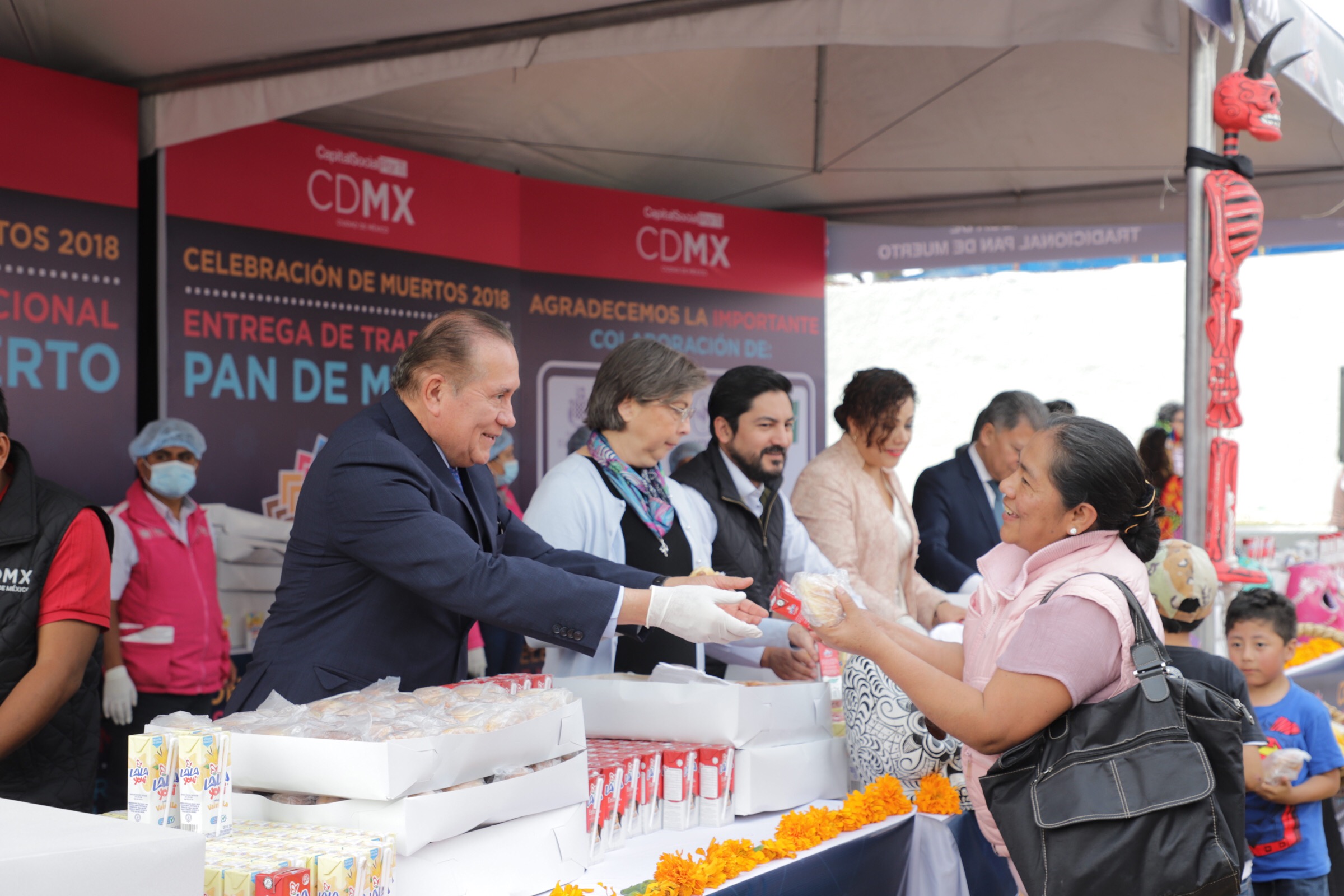
A pan de muerto recipe built around orange blossom water, plus what actually sits on an ofrenda, what each dish is for, and when to bake it for November 1.
12 min read
A pan de muerto recipe built around orange blossom water, plus what actually sits on an ofrenda, what each dish is for, and when to bake it for November 1.
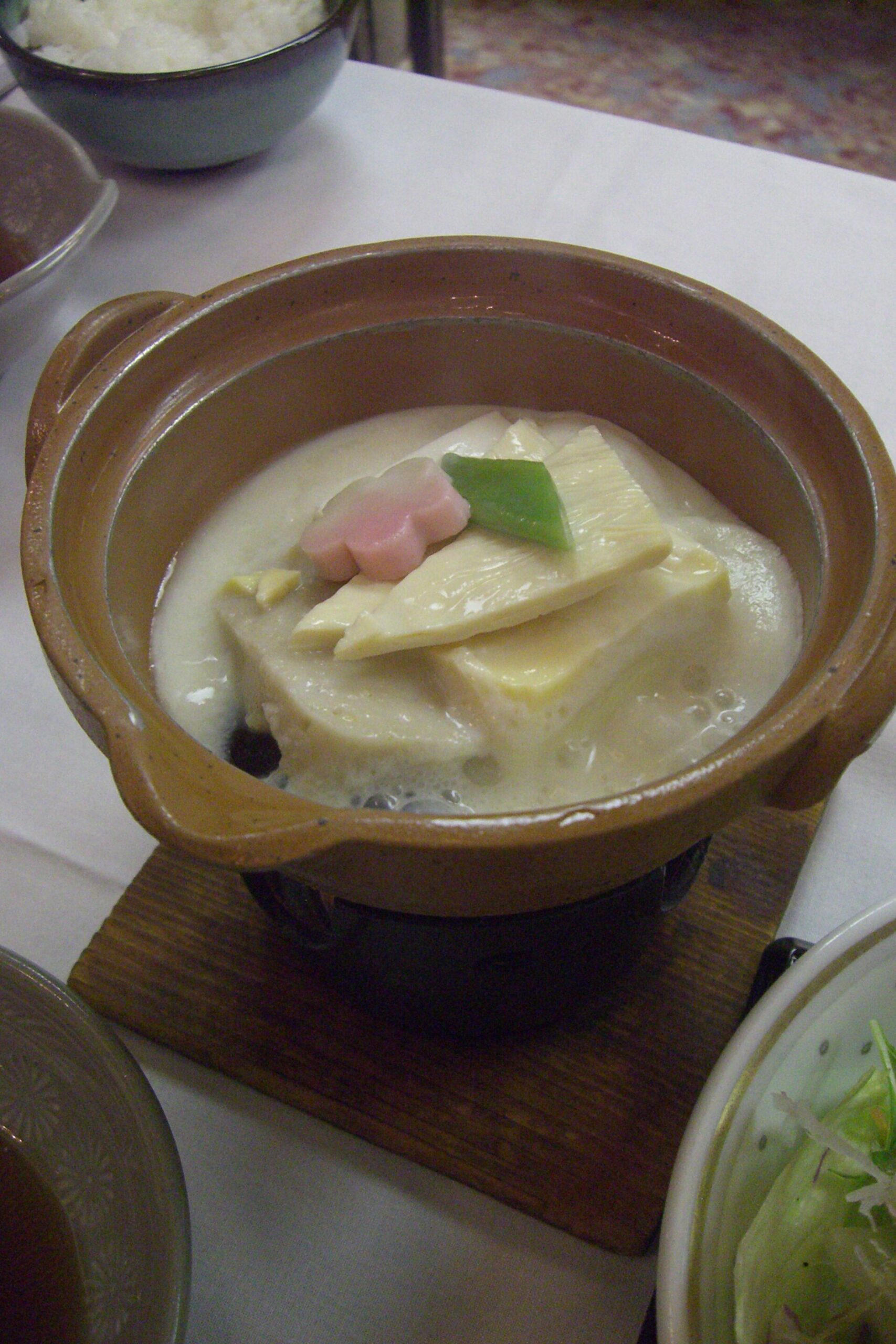
A japanese hot pot nabe recipe for the table: four broths, the cooking order that keeps the pot clean, and the rice course that closes the meal.
A bigos recipe built around the reheating: the cabbage ratio, three meats, dried mushrooms, and how to cool a deep pot repeatedly without taking any risks.
A doro wat recipe timed from the onions: four pounds cooked dry, then niter kibbeh and berbere, plus where to buy the blend and which injera substitutes work.
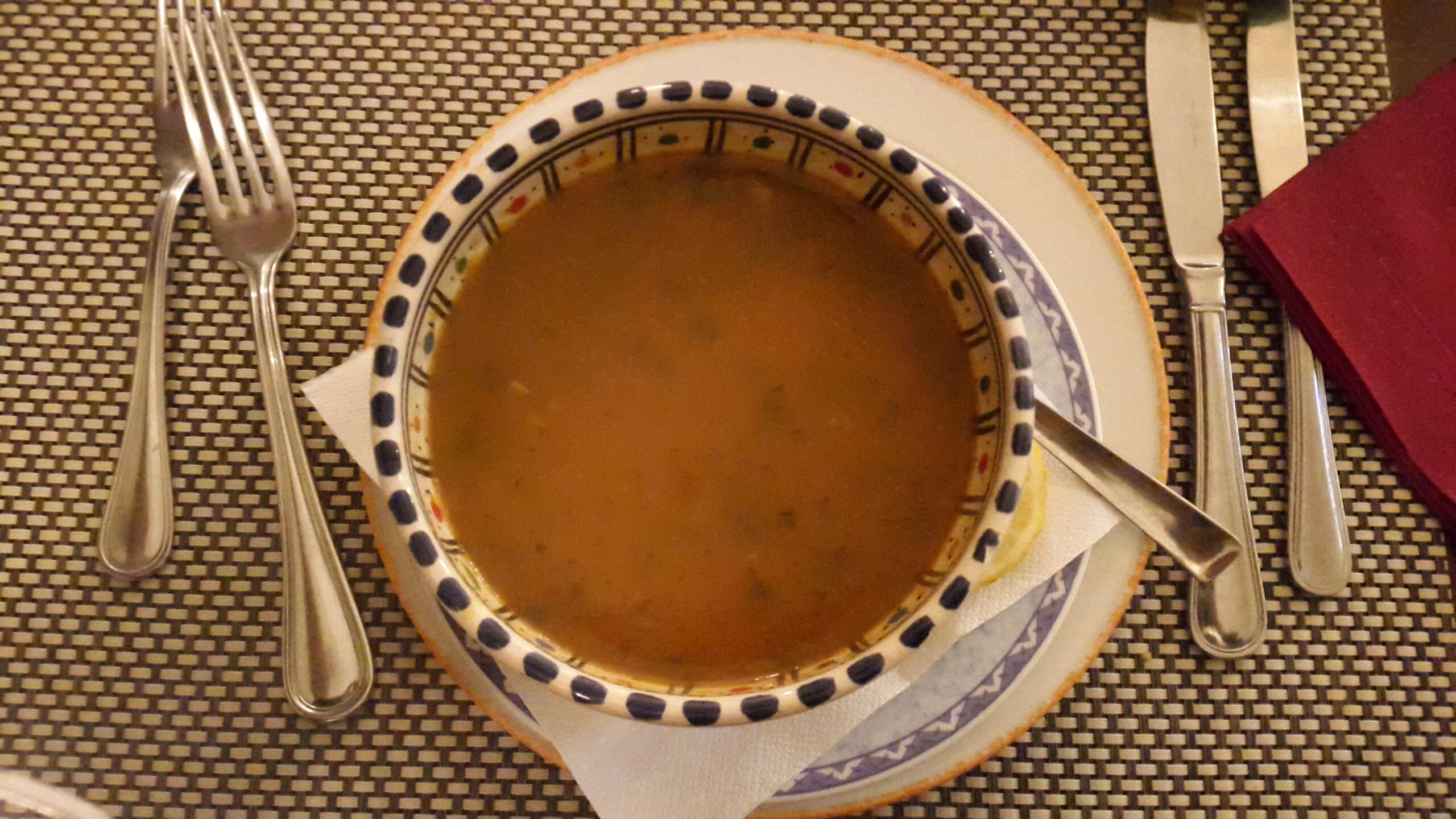
A harira soup recipe for eight: tomato, lentils and chickpeas on two clocks, four bunches of herbs, and the flour tadouira that thickens it at the end.
Goulash vs porkolt: one is a soup and one is a stew. The paprika grades, the onion ratio, and the moment the pot leaves the heat before the paprika goes in.
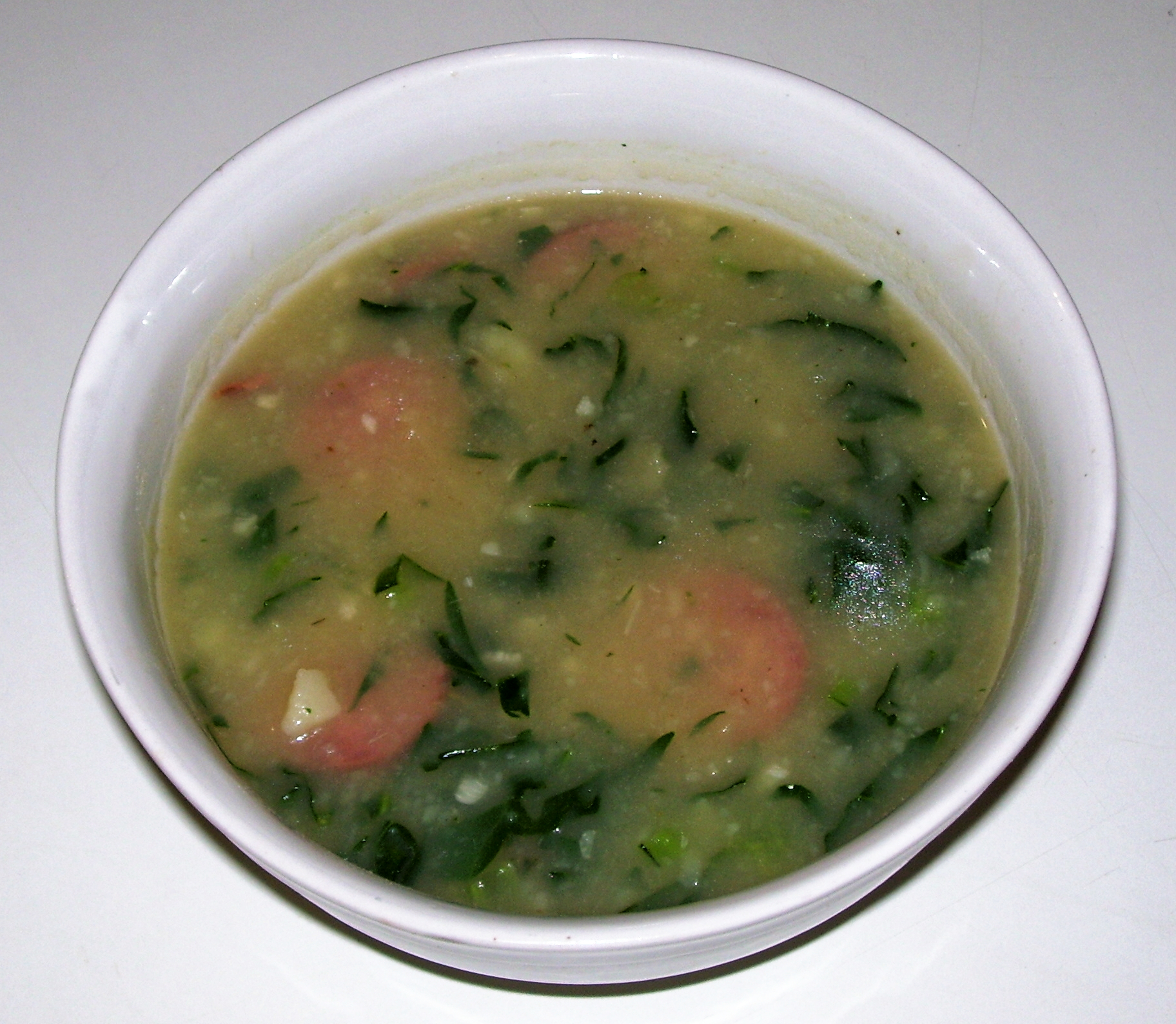
A caldo verde recipe from northern Portugal: the hair-thin greens, the potato that thickens without flour, and why the sausage is browned in a separate pan.
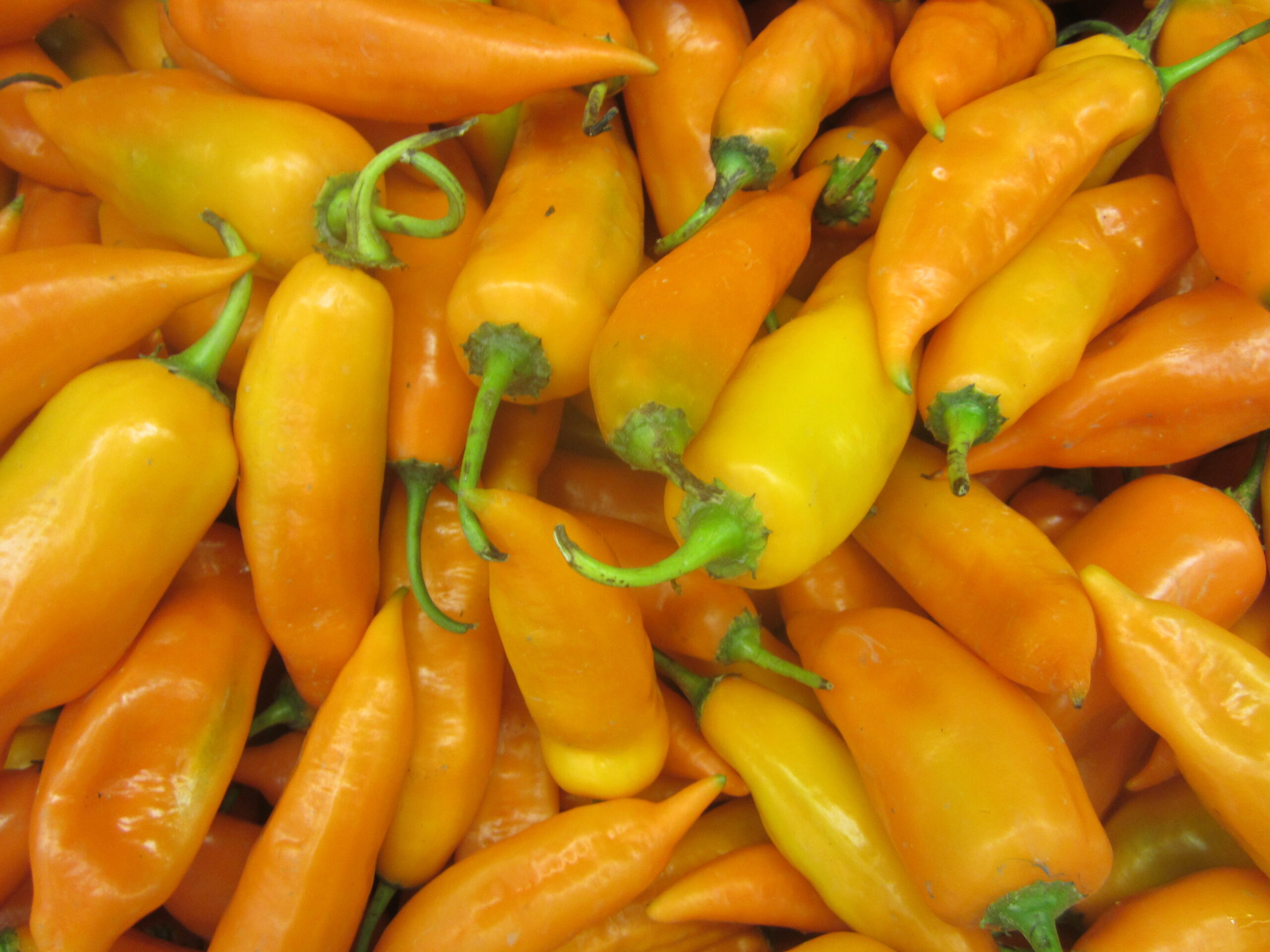
An aji de gallina recipe for six: the yellow sauce thickened with bread instead of flour, where to find aji amarillo paste, and the walnuts that stay in.
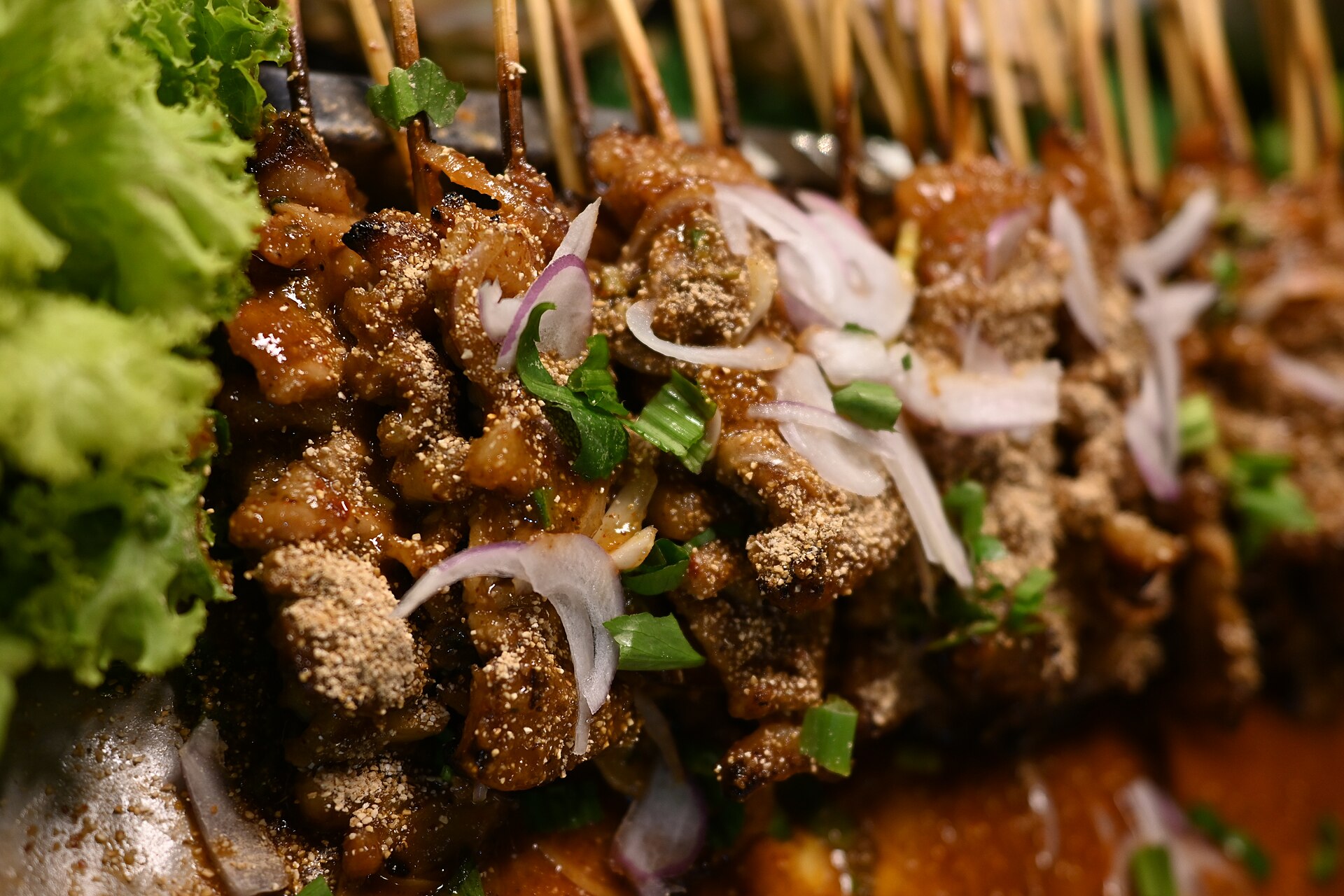
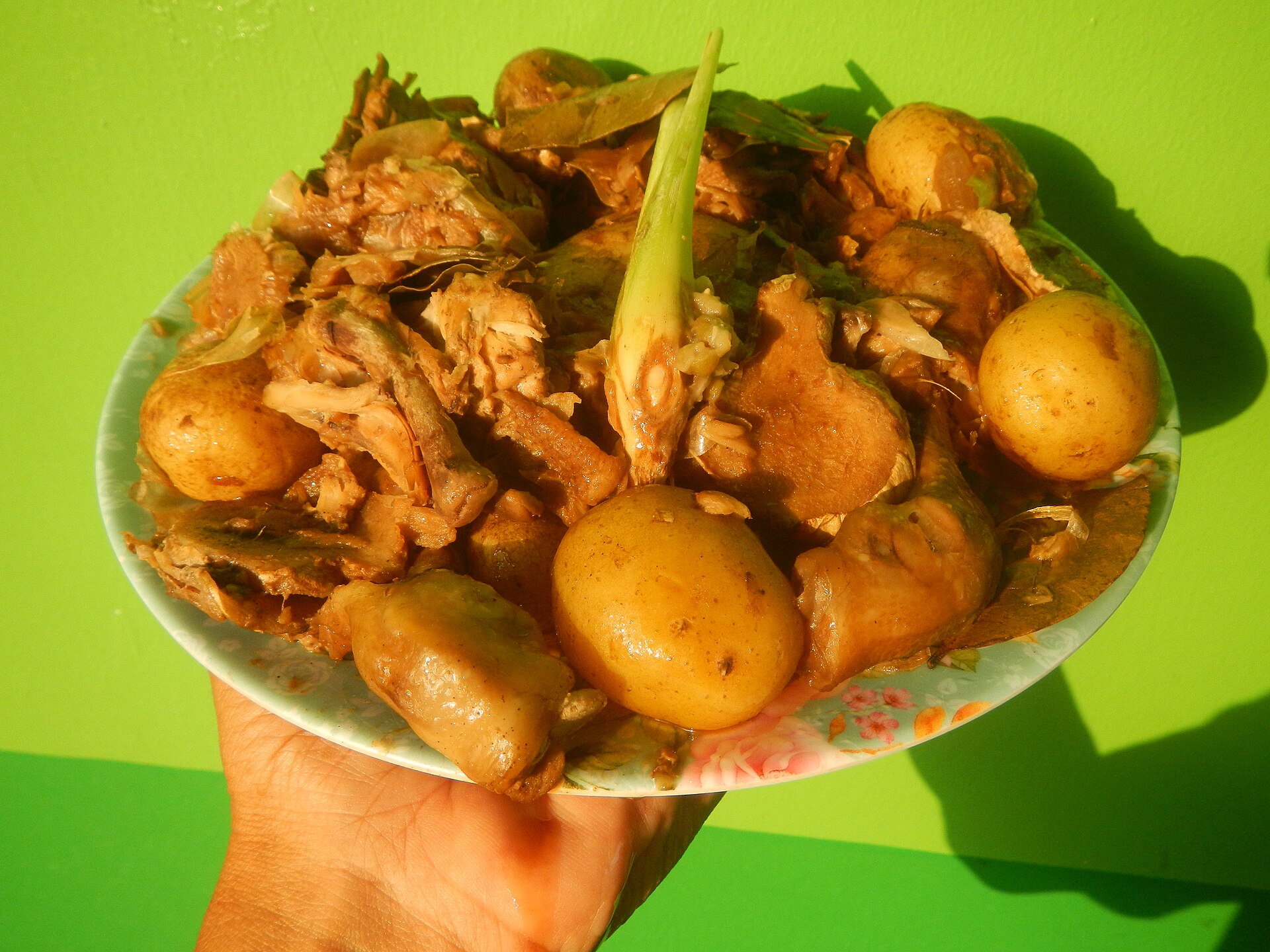
A Filipino adobo recipe in three versions: adobong puti with no soy at all, the Bicol pot finished in coconut milk, the Manila standard, and the no-stir rule.
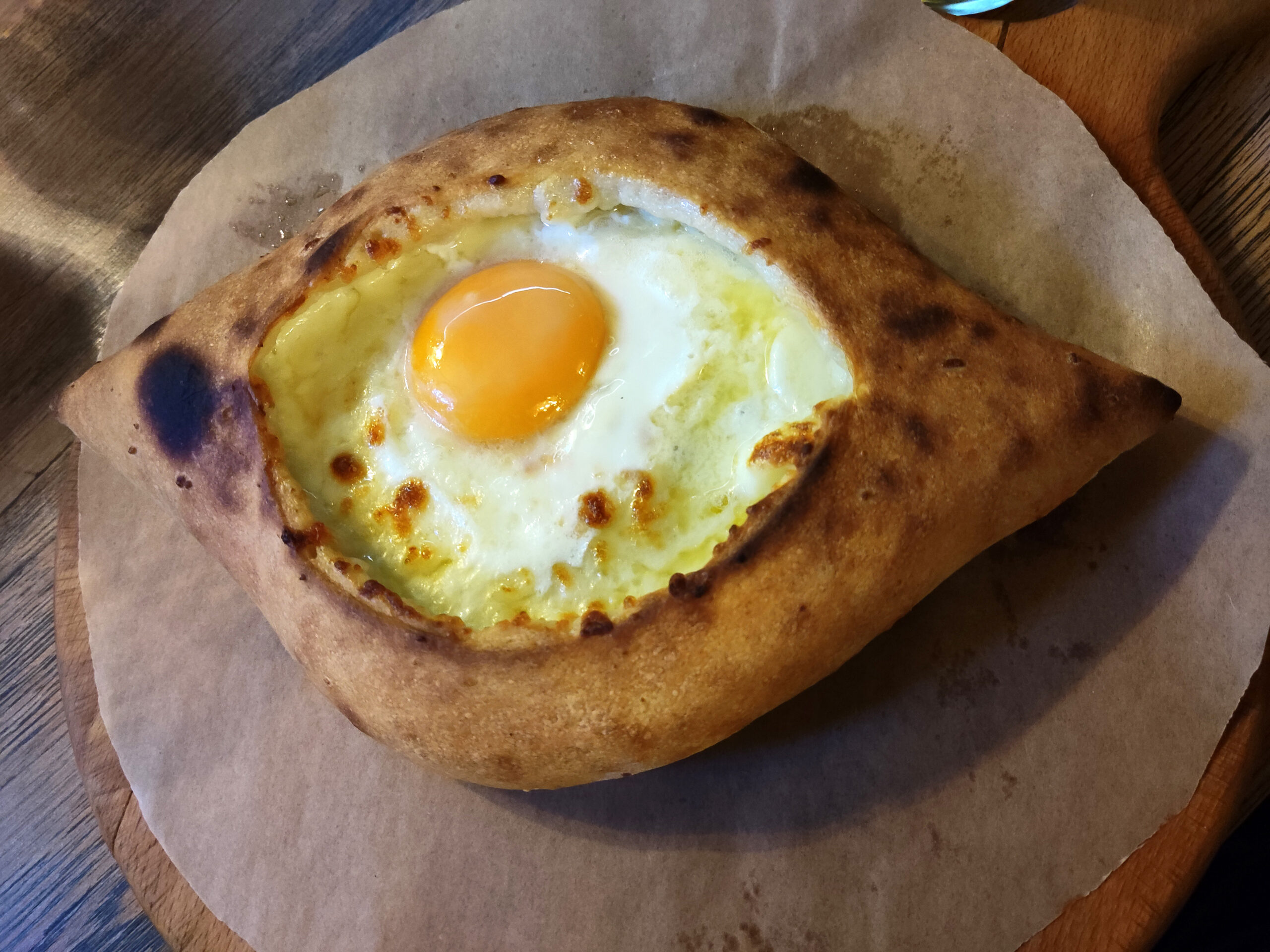
A khachapuri recipe for the Adjarian boat: the slack enriched dough, a cheese blend that stands in for sulguni, the rim that holds, and when the yolk goes in.