The peel, the juice, and the preserved lemon do different jobs
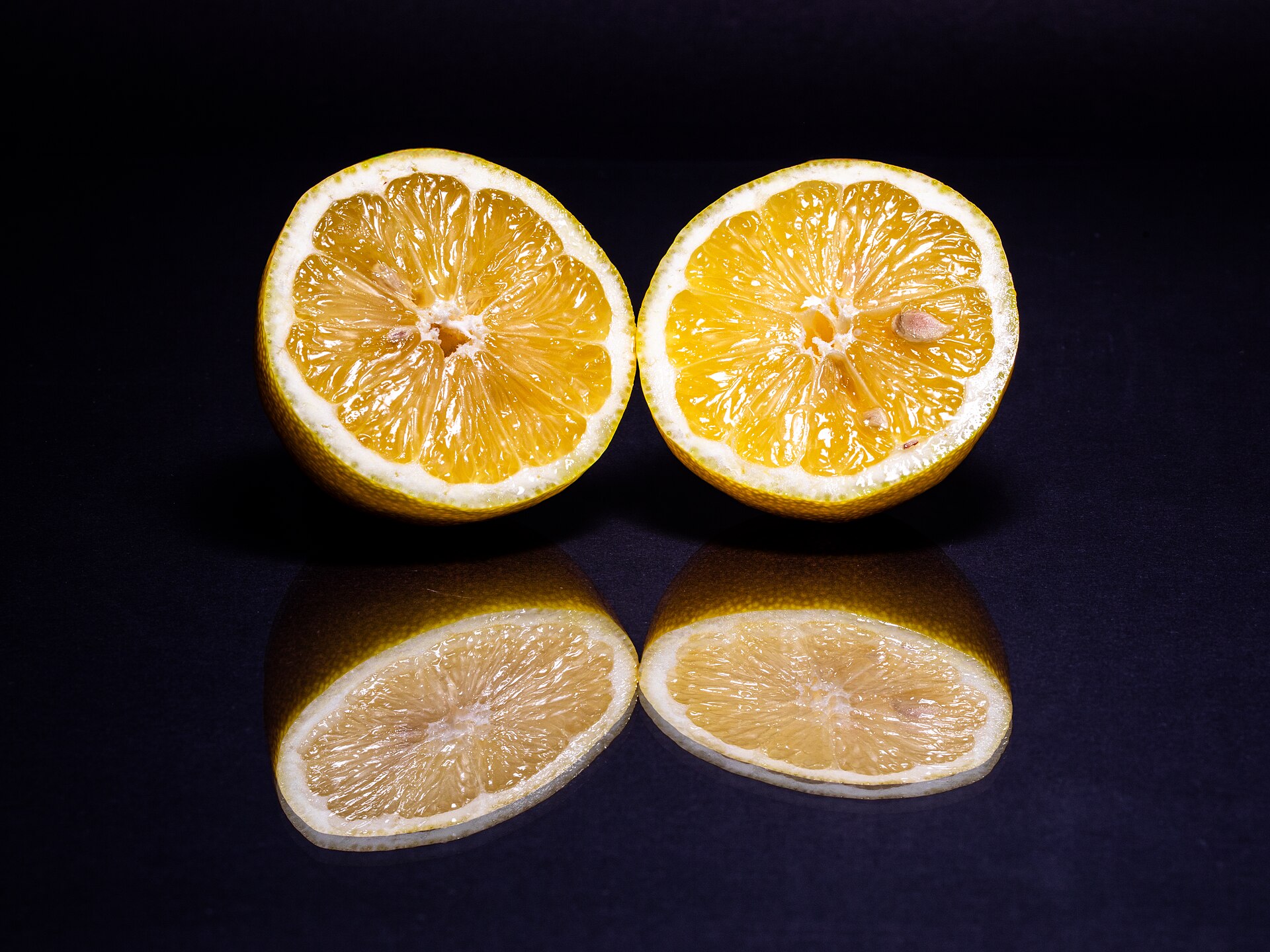
Most zest vs juice cooking advice ignores the third product: what the peel oil, the acid, and a jar of salted lemons each do, and when each one goes in.
13 min read
Most zest vs juice cooking advice ignores the third product: what the peel oil, the acid, and a jar of salted lemons each do, and when each one goes in.
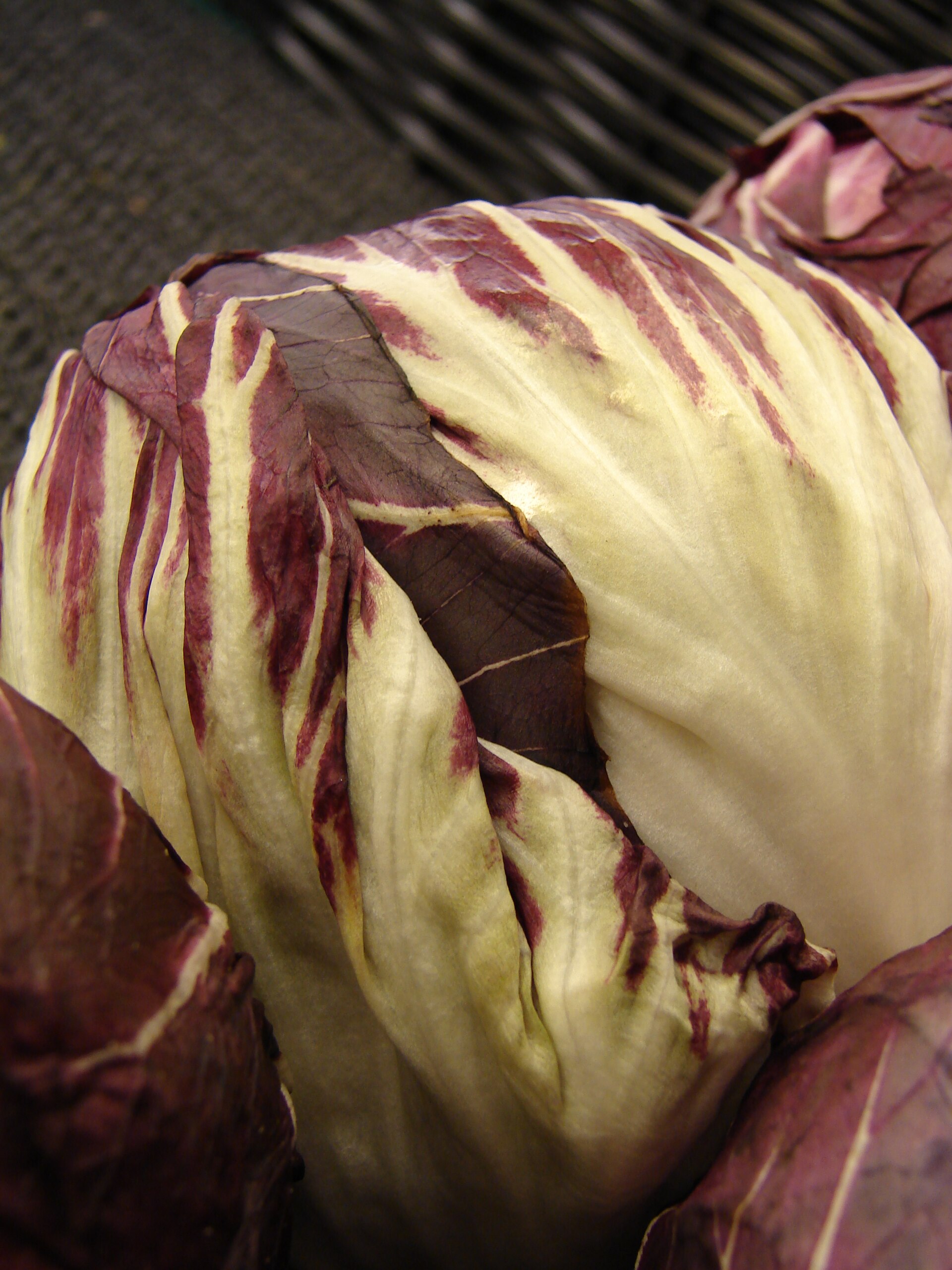
What bitter flavor in cooking is actually doing: four sources worth using, the dose that balances fat and sugar, and the two fixes for a dish gone too far.
How to add smoky flavor from four pantry items: pimenton, chipotle, lapsang and smoked salt, with the dose that reads as depth and the two that hold up.
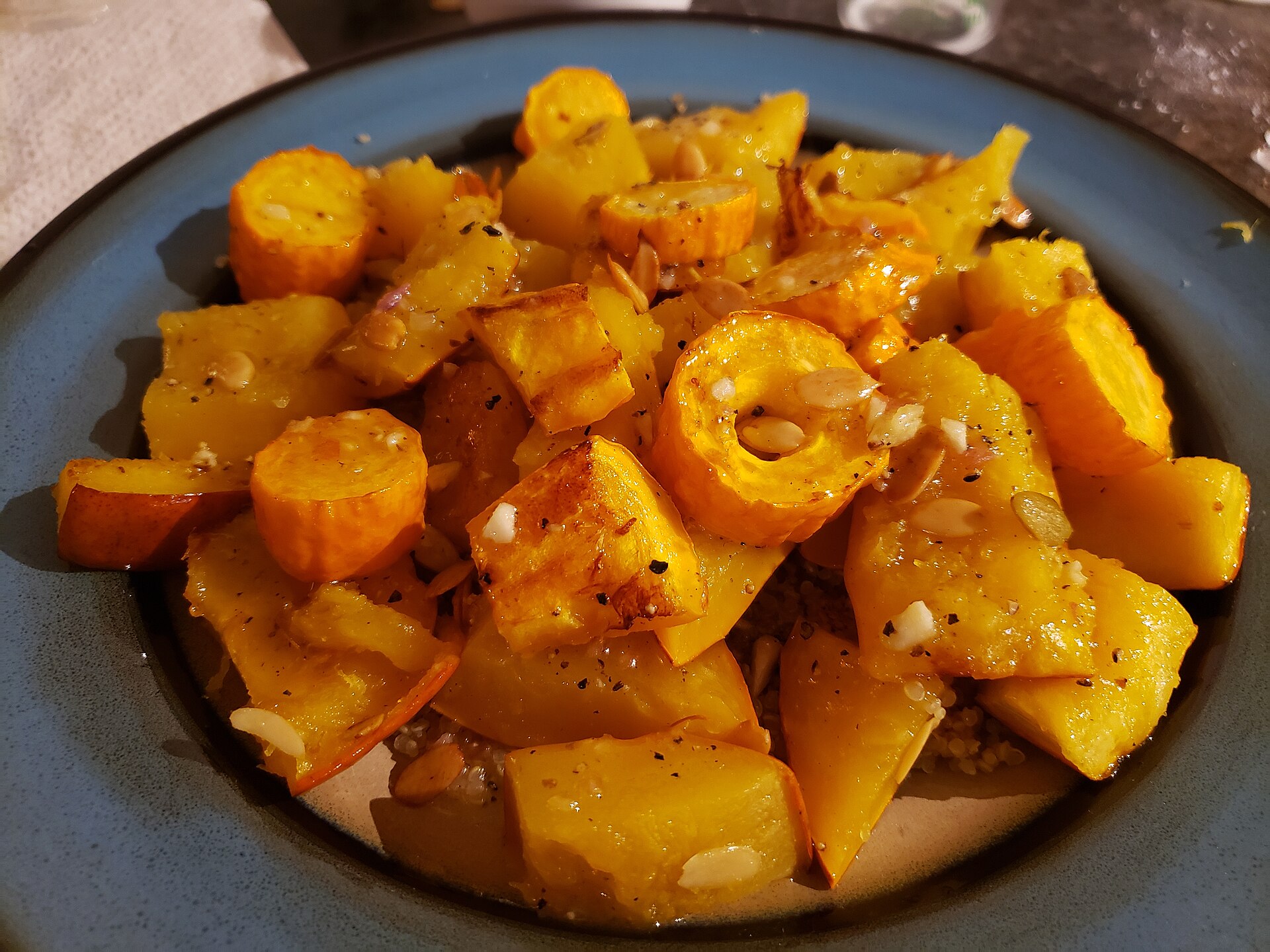
What goes with butternut squash, delicata and kabocha: nine pairings that hold up, three repeated every autumn that fail, and the reason behind each one.
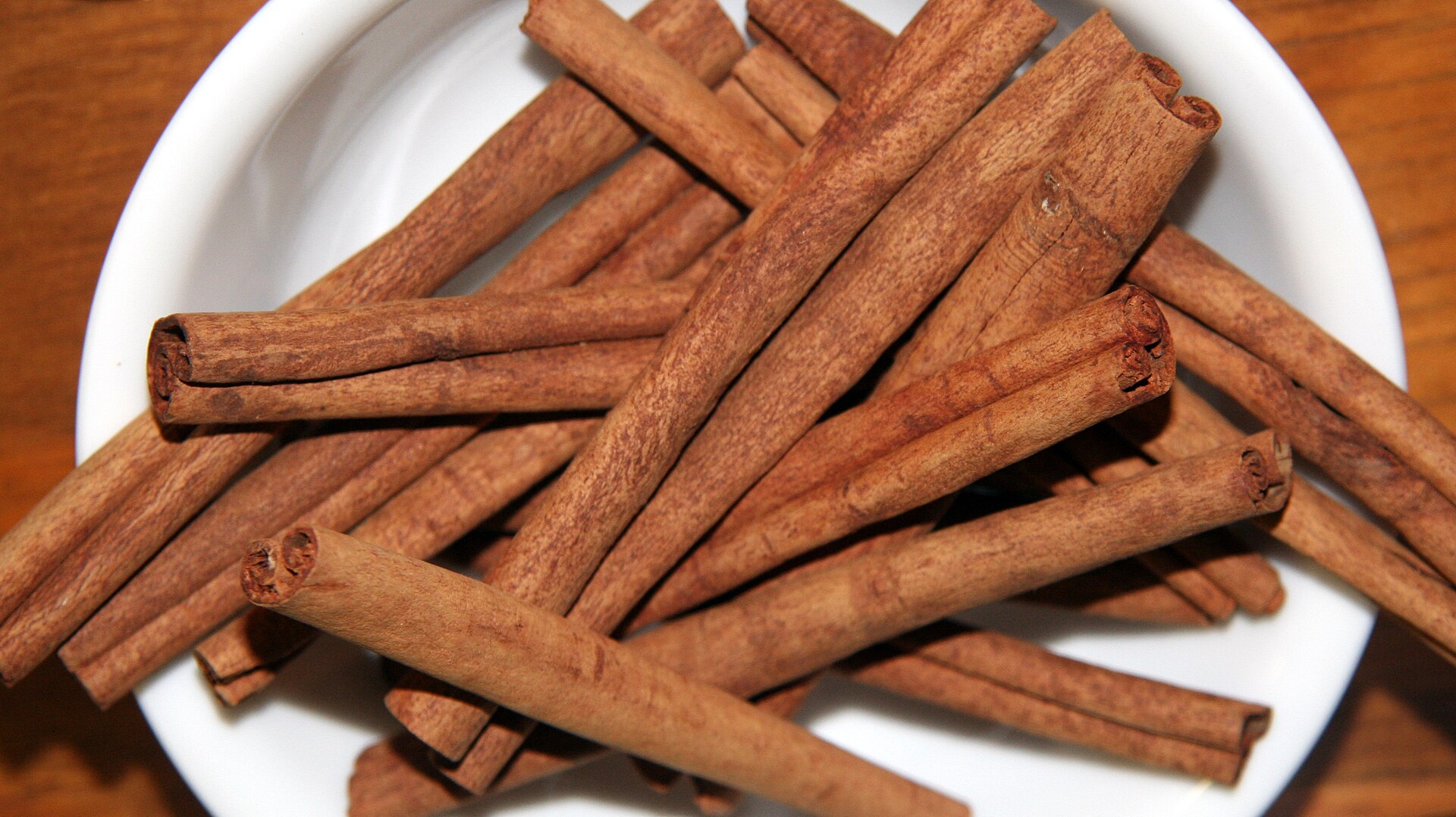
How cinnamon in savory dishes works in Moroccan, Mexican and Greek cooking: cassia against Ceylon, the dose that reads as depth, three dishes to start.
Twelve chiles on the chile pepper heat scale, ranked with the flavor behind each burn: fresh against dried, the seeds question, and the four worth stocking.
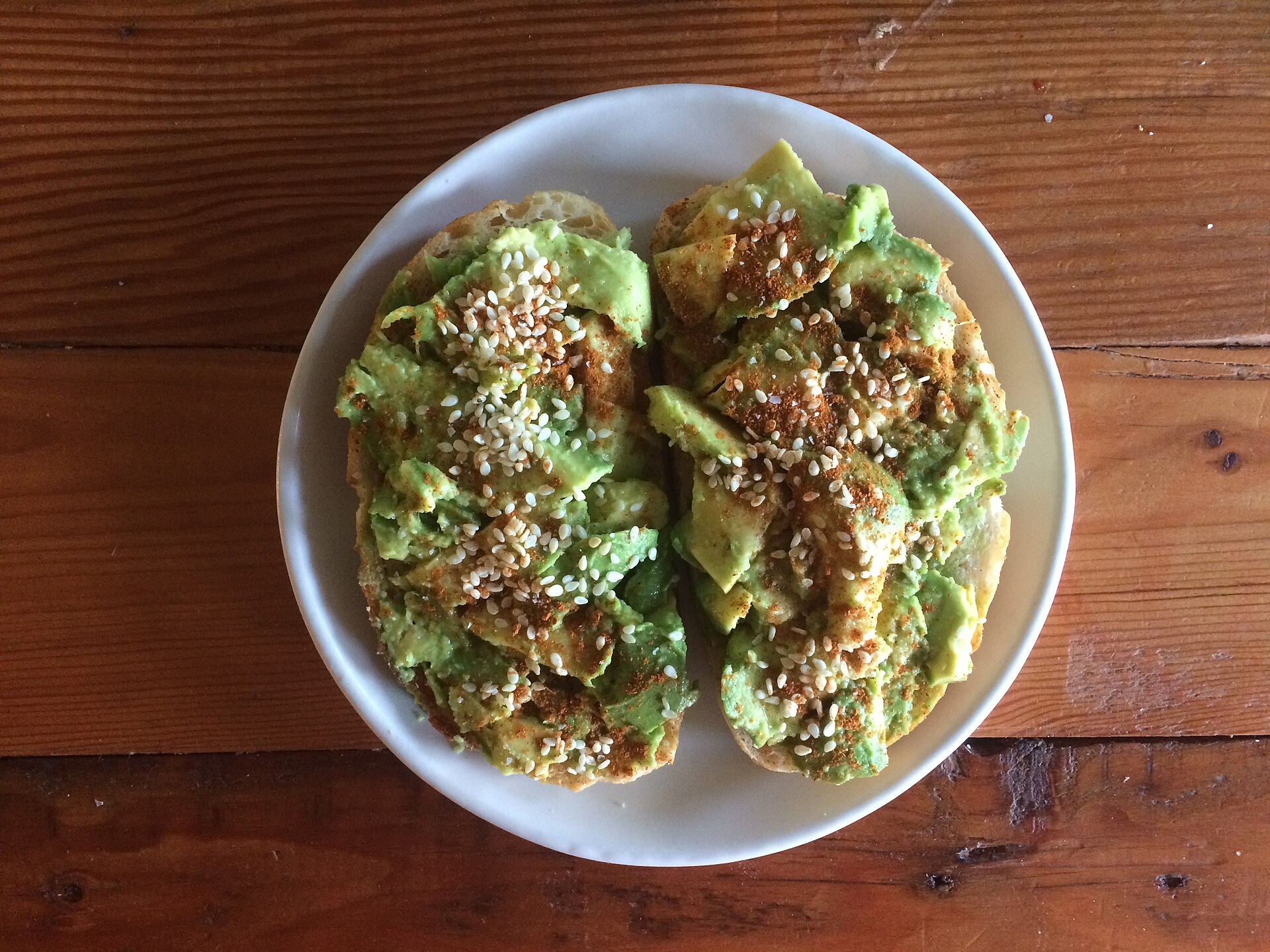
Sesame oil vs sesame paste, sorted into four jars: toasted against plain, tahini against Chinese sesame paste, and the storage that keeps them from turning.
The five types of vinegar cooking guides treat as one bottle, ranked by acidity and sugar: the pair that swaps, the three that never do, and the best value.
The types of onions cooking guides call interchangeable, tasted raw, sweated and browned, with a substitution chart and three dishes where the swap fails.
Four types of sour ingredients tested against lemon in one dressing and one braise: what tamarind, green mango, sumac and verjus each add, and how much.