Cranberry is the tartest fruit most people cook with all year, and orange is the pairing everyone reaches for without asking why. The two show up together on a can label, in a bag of trail mix, in a candle, and by December the combination has stopped being a flavor decision and become a reflex.
The reflex is not wrong, exactly. Orange brings sugar and a floral top note that does real work against cranberry’s acidity. It is just not the only answer, and in a few cases it is not even the best one. Cranberry’s acid load, mostly quinic and malic acid rather than the citric acid in orange, means it can sit next to sweetness, fat, warmth, or a second acid without collapsing into either extreme.
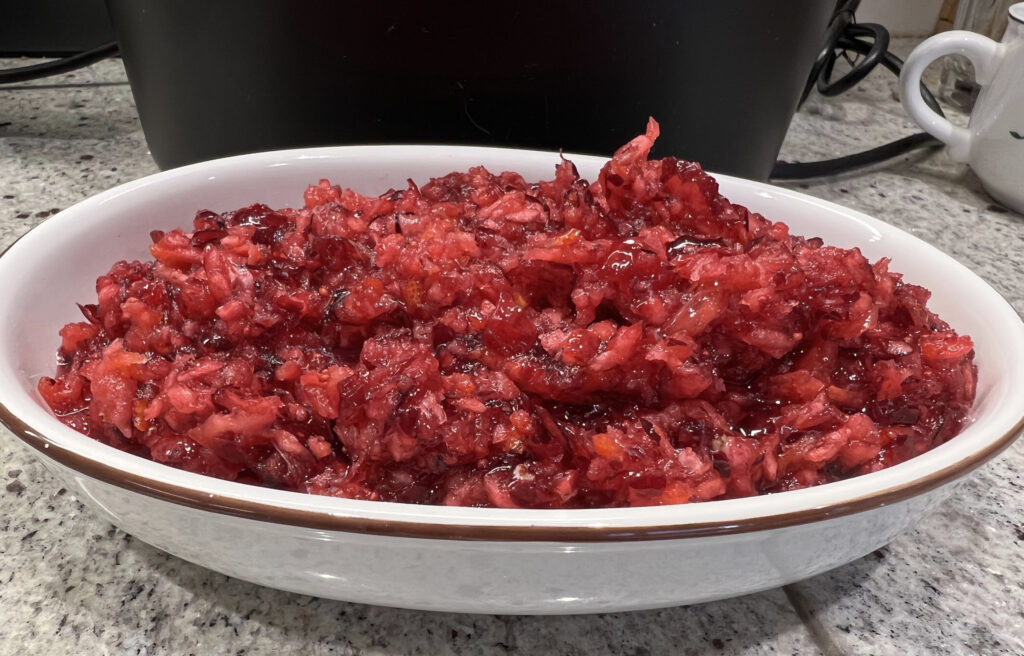
I made a plain raw cranberry relish nine times, changing only the partner ingredient each round, and tasted all nine against each other and against a control made with orange alone. Two directions surprised me enough to build a savory dish around each.
- What this covers: nine pairings tested against raw cranberry, ranked, plus two savory uses
- The control: cranberry and orange zest, the pairing on every can label
- The surprise winners: toasted pecan and a hard aged cheese, both outscoring orange
- The one that failed outright: grapefruit, whose bitterness stacked on cranberry’s own
- Sugar: raw cranberry needs it regardless of partner, roughly a cup per twelve ounces of berries
- Storage: any cooked sauce keeps five days refrigerated, longer if canned properly
What goes with cranberry, tested against nine pairings
The method was the same each round: twelve ounces of fresh cranberries, a scant cup of sugar, a splash of water, simmered eight minutes until the berries burst and the sauce loosely sets. The partner ingredient went in during the last two minutes, so its own flavor stayed distinct rather than cooking down into the base.
Tasted plain, on a spoon, and then on a slice of plain roasted turkey, since a pairing that works alone can still fail once fat and salt are involved. The turkey step changed the ranking for two of the nine.
Why orange is the default, and why that is a habit more than a decision
Orange and cranberry ripen in the same months, they are both sold in the same produce aisle in November, and the combination has been printed on cranberry sauce labels since well before most people cooking today were born. None of that makes it wrong. Orange zest brings citric acid, which sits differently on the tongue than cranberry’s own acid, plus a genuine sweetness and a floral oil that lightens the whole dish.
What it does not do is add much depth. Orange and cranberry together taste like a brighter, sweeter cranberry, which is pleasant and also a little one-note next to a table already carrying gravy, stuffing, and a rich bird. The nine alternatives below were chosen specifically because they push the sauce somewhere orange cannot.
The nine pairings, ranked
| Pairing | What it adds | Best used with |
|---|---|---|
| Toasted pecan | Fat, crunch, roasted bitterness | Spooned over the whole relish |
| Aged cheddar or gouda | Salt, umami, richness | A savory cheese board direction |
| Orange zest (control) | Sweetness, citric acid, floral oil | The default, still solid |
| Cinnamon and clove | Warmth, a sense of depth | A dessert-leaning sauce |
| Star anise | Licorice note, aromatic lift | Poaching liquid more than raw relish |
| Dried fig | Deep sweetness, chew | A thicker, jammier sauce |
| Fresh apricot | Soft sweetness, less acid clash | A summer-leaning version |
| Tangerine | Sweeter than orange, milder acid | Anyone who finds orange too sharp |
| Lime | Sharp, slightly bitter pith | A savory glaze, not a sweet relish |
| Grapefruit | Bitterness stacked on tartness | Nothing tested here |
The ranking holds a real pattern. Fat and salt, not more sugar or more acid, are what cranberry was actually missing. Pecan and cheese both outscored every other citrus and every warm spice, because they gave the tongue something cranberry’s sharpness could rest against instead of fighting.
Warm spice: cinnamon, clove, star anise
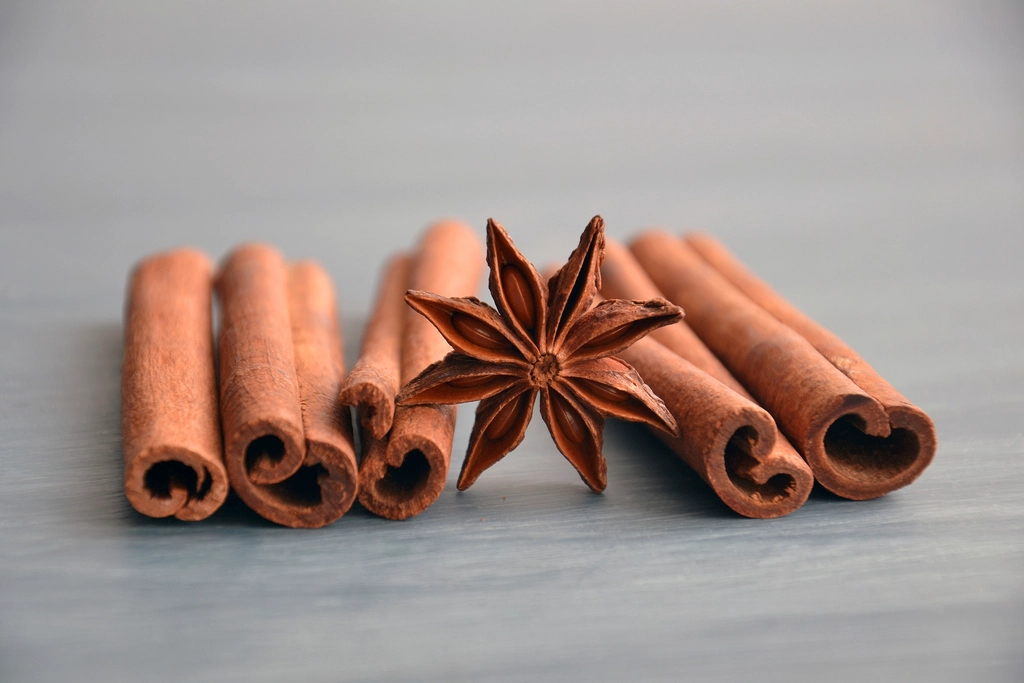
A quarter teaspoon of ground cinnamon and a pinch of ground clove push the relish toward a spiced compote, closer to a pie filling than a table sauce, and it reads as more of a dessert once those two are in. That is not a flaw, it is a direction, and it pairs well on a cheese board or spooned over vanilla ice cream days after the holiday meal.
Star anise worked better steeped whole in the simmering liquid and removed before serving than left in the finished sauce, where its licorice note turned overpowering in anything more than a sliver. One whole pod for a batch of twelve ounces of berries was already at the edge of too much.
Other citrus: tangerine, lime, grapefruit
Tangerine is a gentler version of the orange control, sweeter and less assertively citric, and it suits anyone who finds the classic pairing a little sharp. Lime went a different direction entirely: its pith brought a bitterness that read as more savory than sweet, which pushed the whole batch toward a glaze rather than a relish.
Grapefruit was the clear failure of the nine. Its own bitterness stacked directly on cranberry’s tartness instead of balancing it, and the batch made with grapefruit zest was the only one tasters asked to stop eating partway through the spoon test.
Stone fruit and dried fruit: apricot, fig
Dried fig, chopped fine and simmered the full eight minutes rather than added at the end, broke down into the sauce and gave it real body, closer to a chutney than a relish. It is the pairing to reach for when the sauce needs to hold its shape on a slice of bread or a sandwich the next day, a use covered further in our piece on less obvious pairings worth keeping on a shelf.
Fresh apricot, when in season, softened cranberry’s edge more gently than any citrus did, without adding much of its own flavor. Out of season, frozen apricot works nearly as well and is worth keeping in the freezer specifically for this.
Toasted pecan and walnut: the pairing that outscored orange
A half cup of pecans, toasted dry in a pan for four minutes until fragrant and stirred into the finished sauce off the heat, was the single biggest improvement of the nine. The fat coats the tongue, the toasting adds a bitterness that plays against the fruit’s own sourness, and the crunch gives the relish a texture it otherwise lacks entirely.
Walnut works the same way but with a sharper, more tannic edge that some tasters preferred and others found too assertive next to turkey specifically. Toast either nut just before adding it, since pre-toasted nuts sitting in a bag lose most of the aroma that makes the pairing work.
Cheese: the pairing few people try
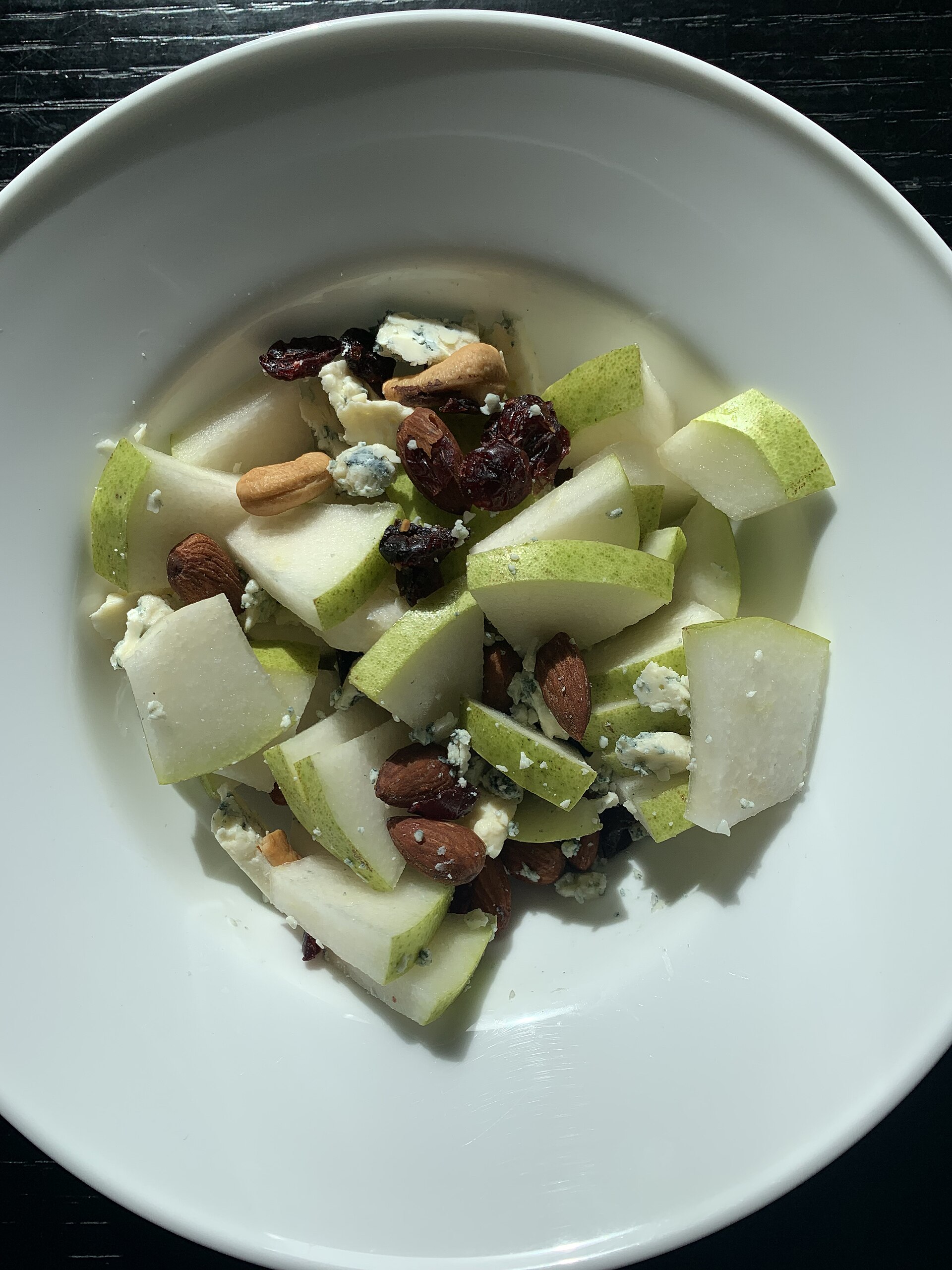
Cranberry with an aged cheddar or a firm gouda is a combination that belongs on a cheese board far more often than it appears there, and tasting it alongside the other eight made the case plainly: salt and umami do for cranberry what neither more sugar nor more citrus can. The sauce itself does not change; the cheese simply sits next to it, cut into small cubes or thin slices.
A wedge of aged cheddar with a spoonful of the plain, unsweetened relish spread thin is closer to a savory course than a dessert, and it is a better use for a jar of leftover cranberry sauce than another turkey sandwich three days into the holiday.
Two savory directions for the main plate
The first: reduce a cup of the finished sauce with a splash of red wine vinegar and a spoonful of Dijon mustard until it thickens into a glaze, then brush it over chicken thighs or a pork tenderloin in the last ten minutes of roasting. The sugar in the cranberry caramelizes against the acid and mustard in a way the plain sweet relish never does on its own.
The second: fold chopped fresh cranberries, raw and uncooked, into a pan sauce built on shallot, chicken stock, and a knob of butter, right at the end of cooking a seared pork chop or duck breast. The berries barely soften, popping slightly against the fat of the meat, which is a texture the fully cooked relish cannot deliver. Both directions borrow the same acid-against-fat logic covered in our piece on the peel, the juice, and the preserved lemon doing different jobs in a dish.
How much sugar cranberry actually needs, and handling it safely
Raw cranberries are too tart to eat by the spoonful under almost any pairing tested here, which is why every version above still needs roughly a cup of sugar per twelve ounces of berries regardless of what else goes in. Cutting sugar much below that leaves a sauce that tastes more like medicine than food, no matter how good the partner flavor is.
A cooked cranberry sauce keeps about five days refrigerated in a sealed container, and it should go into the refrigerator within two hours of coming off the heat rather than cooling on the counter overnight. If canning a batch for longer storage, follow a tested, acid-appropriate recipe and processing time rather than guessing, since cranberry’s own acidity does not automatically make a jar shelf-stable on its own. Raw, uncooked cranberry relishes with nuts or citrus folded in should be treated as a refrigerated dish from the start and eaten within about a week.
Making the base ahead, and adding the partner flavor at the last minute
Every pairing here works better when the plain cooked base is made two or three days ahead and refrigerated, then finished with whichever partner flavor right before serving. Sugar and acid alone hold up fine over several days in the refrigerator; it is the textural additions, the nuts, the cheese, the fresh apricot, that fade or turn soggy if they sit in the sauce too long.
This also means one batch of the plain base can become three different dishes across a busy holiday week: pecans and orange zest folded in for the first night’s table, a spoonful spread on a cheese board the next day, and the rest reduced into the mustard glaze for a weeknight chicken dinner after the leftovers have otherwise run out. A jar of plain reduced cranberry base in the refrigerator is a more useful thing to have on hand through the whole season than a jar already committed to one flavor direction.
What a bag of fresh cranberries actually costs against the alternatives
A twelve-ounce bag of fresh cranberries runs a few dollars in most of the country during the fall, cheaper than almost any of the nine partner ingredients tested against it, and it freezes well enough that buying two or three extra bags in November for use through the winter is a reasonable habit. Frozen cranberries need no thawing before they go into a hot pan.
Canned whole-berry sauce is a real shortcut and not a failure of effort, but it comes pre-sweetened at a level that leaves little room to adjust, which makes it a poor base for the savory glaze and pan sauce directions above. Anyone building toward those two should start from fresh or frozen berries and control the sugar themselves.
Frequently Asked Questions
Can I use frozen cranberries instead of fresh?
Yes, and there is almost no difference once cooked. Add them straight from the freezer without thawing; they will simply take a minute or two longer to burst in the pan.
What if the sauce comes out too tart even with a full cup of sugar?
Add sugar in small increments after the berries have burst rather than all at once at the start, tasting as you go, since sugar dissolved into hot liquid reads sweeter than the same amount stirred in cold. A pinch of salt also rounds out excess tartness without adding more sugar.
Does the pecan or cheese version still work as a make-ahead dish?
The base sauce does, made up to five days ahead and refrigerated. Add the toasted nuts or the cheese only just before serving, since nuts left sitting in the sauce for days lose their crunch and go soft.
Is raw cranberry safe to eat without cooking at all?
Yes, raw cranberries are safe to eat, they are simply too acidic and bitter for most people to enjoy in quantity without sugar or another sweet partner. A raw relish with orange, sugar, and a food processor is a legitimate style, not an undercooked version of the cooked one.
Which pairing works best for someone who dislikes cranberry sauce entirely?
The cheese and pecan directions tend to convert skeptics faster than another sweeter version, since they present cranberry as a savory, salty snack rather than a sweet side dish competing directly with dessert.
Keep the orange. It earned its spot on the label honestly. Just stop assuming it is the only spot cranberry has, because a spoon of toasted pecans proves otherwise in under five minutes.