Mole negro is the darkest and most labor-intensive of Oaxaca’s seven classical moles, and the color is not from chocolate the way most people outside Mexico assume. It comes primarily from chiles, several of them charred nearly black on purpose, and from a long, patient reduction that concentrates every ingredient added along the way into a sauce that can take a full day of active cooking to finish properly.
Seven dried chiles typically go into a well-made mole negro, and none of them is there for heat. Each contributes a specific flavor note, a specific color, or a specific texture to the finished paste, and understanding what each one does is the difference between following a recipe blindly and actually being able to adjust one when a particular chile is hard to find.
What follows is those seven chiles and the job each performs, the toasting step that ruins more attempts at this dish than any other single mistake, a two-day home version broken into manageable stages, and where to actually find the harder chiles in the United States.
- The seven chiles: chilhuacle negro, mulato, ancho, pasilla, chile de arbol, guajillo, and sometimes a chipotle for smoke
- Total time: realistically two days for a first attempt, spread across active and passive stages
- The hardest ingredient to find: chilhuacle negro, worth the search rather than skipping
- Not primarily chocolate: a small amount deepens the sauce, it does not define the color
- Serves: a full batch makes enough for twelve to sixteen servings and freezes well
- What it needs beyond chiles: nuts, seeds, dried fruit, spices, and a long, slow simmer
A mole negro recipe worth the two days it takes
Mole negro from Oaxaca is built on the principle that no single ingredient should be identifiable in the finished sauce, and that principle is exactly why the dish takes as long as it does. Every component, chiles, nuts, seeds, dried fruit, spices, and often a small amount of chocolate, is toasted or fried separately, then blended and cooked down together until the individual flavors fold into something that tastes unified rather than like a list of ingredients.
A restaurant or a household making mole for a large celebration often prepares it over several days, and a home cook attempting it for the first time should expect something closer to that timeline than to a weeknight sauce, not because any single step is difficult, but because there are simply many steps, each requiring attention rather than being able to run unattended.
The seven chiles and the job each one does
| Chile | Job in the sauce | How dark it goes |
|---|---|---|
| Chilhuacle negro | The defining dark color and a fruity, smoky depth | Toasted until nearly black |
| Mulato | Sweetness and a chocolate-adjacent flavor of its own | Toasted medium |
| Ancho | Body, raisin sweetness, mild fruitiness | Toasted medium |
| Pasilla | Bitterness that keeps the sauce from tasting flat-sweet | Toasted medium-dark |
| Chile de arbol | A thread of real sharpness underneath everything else | Toasted lightly, used sparingly |
| Guajillo | Brightness and acidity to balance the richer chiles | Toasted lightly |
| Chipotle (optional) | Smoke, layered on top of the chilhuacle’s own | Used as-is, already smoked |
No single chile in that list could replace the whole sauce on its own, and that is the actual lesson of the table: mole negro’s complexity comes from stacking seven distinct, comparatively simple flavors rather than from any one exotic ingredient doing all the work.
Chilhuacle negro: the chile that cannot be substituted
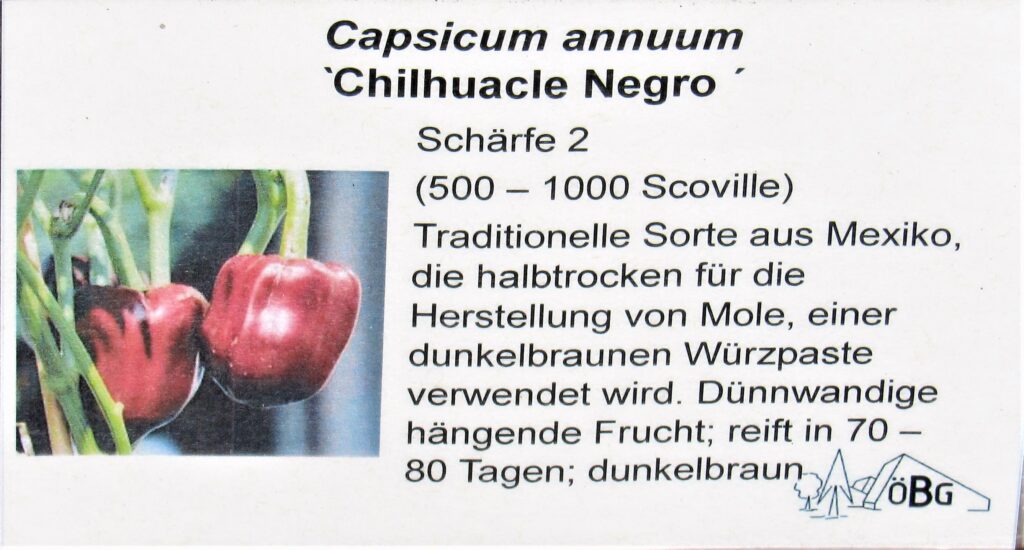
Chilhuacle negro is grown almost exclusively in a small region of the Cañada in Oaxaca, and its scarcity outside that region is real rather than exaggerated for effect. It is what gives mole negro both its name and its signature near-black color once toasted hard, along with a fruity depth that other dark chiles approximate but do not fully replicate.
A mole made without it, substituting extra ancho and pasilla instead, is still a legitimate dark mole and can taste very good, but it will not be mole negro in the strict sense, and cooks who have tasted both side by side generally agree the chilhuacle version has a rounder, more layered darkness that is hard to describe without tasting it directly. Sourcing it is worth the effort for anyone serious about the dish; a reasonable substitute blend is covered further down for anyone who cannot.
Mulato, ancho, pasilla: the everyday three
These three dried chiles, all reasonably available in well-stocked grocery stores across much of the United States, form the body of the sauce beneath the chilhuacle’s color. Mulato brings a flavor often described as chocolate-adjacent on its own, which is part of why mole recipes need less actual chocolate than most people assume once mulato is already doing similar work.
Ancho adds a raisin-like sweetness and helps thicken the final paste, while pasilla’s slight bitterness is what keeps the whole sauce from reading as simply sweet, the same balancing role bitterness plays across a range of rich, dark sauces more broadly, a subject covered in our piece on bitterness as a flavor rather than a flaw.
Chile de arbol, guajillo: the ones that add sharpness
Chile de arbol appears in small quantity, usually two or three pods against a dozen or more of the darker chiles, and its job is to keep the finished sauce from tasting muddy or one-note despite its long cooking time. A small, sharp edge threading through an otherwise deep, slow-cooked sauce is what keeps each spoonful interesting rather than simply heavy.
Guajillo performs a related but distinct role, contributing brightness and a mild acidity that cuts against the sweetness of the ancho and mulato. Both chiles are used in restrained amounts specifically because their job is to season the whole pot rather than to announce themselves individually.
Toasting without burning: the step that ruins more mole than any other
Every one of the seven chiles gets toasted, separately, in a dry pan before soaking and blending, and the window between properly toasted and scorched is measured in seconds rather than minutes. A scorched chile turns bitter in a way no amount of sugar or fruit added later can fix, and because mole simmers for hours, a bitterness introduced at the toasting stage only concentrates further as the sauce reduces.
Press each chile flat in a dry, medium-hot pan for roughly ten to fifteen seconds per side, watching for a color shift and a toasted aroma rather than timing it by the clock, since pan heat and chile thickness both vary. Chilhuacle negro specifically is meant to go darker than the others, closer to fully black, which distinguishes it visually from a merely toasted ancho or mulato sitting in the same batch.
The other side of the pot: nuts, seeds, chocolate, spices
Beyond the chiles, a full mole negro typically includes toasted almonds or peanuts, sesame seeds, raisins, a piece of stale bread or a corn tortilla fried until dark, plantain, cinnamon, cloves, black pepper, and a modest amount of Mexican chocolate, usually far less than newcomers to the dish expect, since the chocolate rounds out the sauce rather than defining its flavor the way it might in a simpler mole made for a quicker weeknight version.
Each of these components gets toasted or fried in the same rendered fat left over from frying the tortilla and plantain, layering flavor onto flavor before anything is blended, and the fat itself, often lard or a neutral oil, carries much of that accumulated flavor into the final sauce once everything is pureed and cooked down together.
A two-day home version, day by day
On the first day, toast and soak all seven chiles, then blend them with a portion of the stock into a smooth paste, straining out any tough bits of skin. Separately toast and blend the nuts, seeds, dried fruit, bread, plantain, and spices with more stock into a second paste. Both pastes can be refrigerated overnight in separate containers, which spreads the most labor-intensive prep across a day when there is time for it.
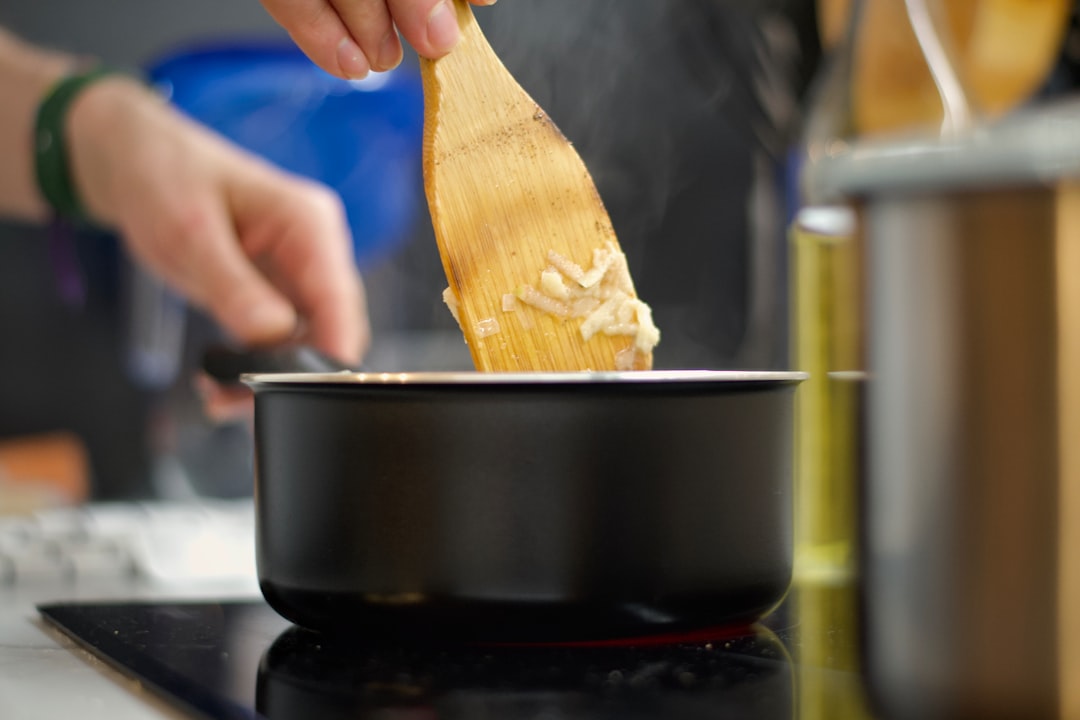
On the second day, fry the chile paste in a heavy pot in a few tablespoons of fat until it darkens and thickens slightly, then add the second paste and enough stock to reach a sauce consistency, and simmer uncovered for at least two hours, stirring regularly to prevent scorching on the bottom, until the mole reduces to a deep, glossy, almost matte black. Add the chocolate near the end, letting it melt in fully before tasting and adjusting salt.
Where to buy the chiles in the United States
Ancho, guajillo, pasilla, and chile de arbol are common enough that a well-stocked Latin American grocery store, and increasingly a general supermarket with a Mexican foods section, carries all four without much searching. Mulato is somewhat less universal but still findable at most dedicated Mexican grocers.
Chilhuacle negro is the genuine bottleneck. It is rarely stocked in a physical store outside areas with a significant Oaxacan population, and most home cooks in the United States source it through specialty online retailers that import directly from Oaxaca. If it cannot be found in time, a blend of extra ancho, mulato, and pasilla, toasted slightly darker than usual, approximates the color and some of the depth, though as noted above, it will not be a fully traditional mole negro.
Storing the finished mole, and using it beyond one meal
Mole negro freezes exceptionally well, better than most sauces, and a large batch is genuinely worth making specifically because of that. Portioned into containers and frozen, it keeps for several months without a significant drop in quality, and thawed portions reheat gently on the stovetop with a splash of stock to loosen the paste back to sauce consistency.
Traditionally served over shredded chicken or turkey, the same paste also works spooned over enchiladas, stirred into a pot of black beans, or thinned further as a dip, which makes a single ambitious batch a base for several separate meals across the following weeks rather than a one-time dish.
Serving mole negro at the table
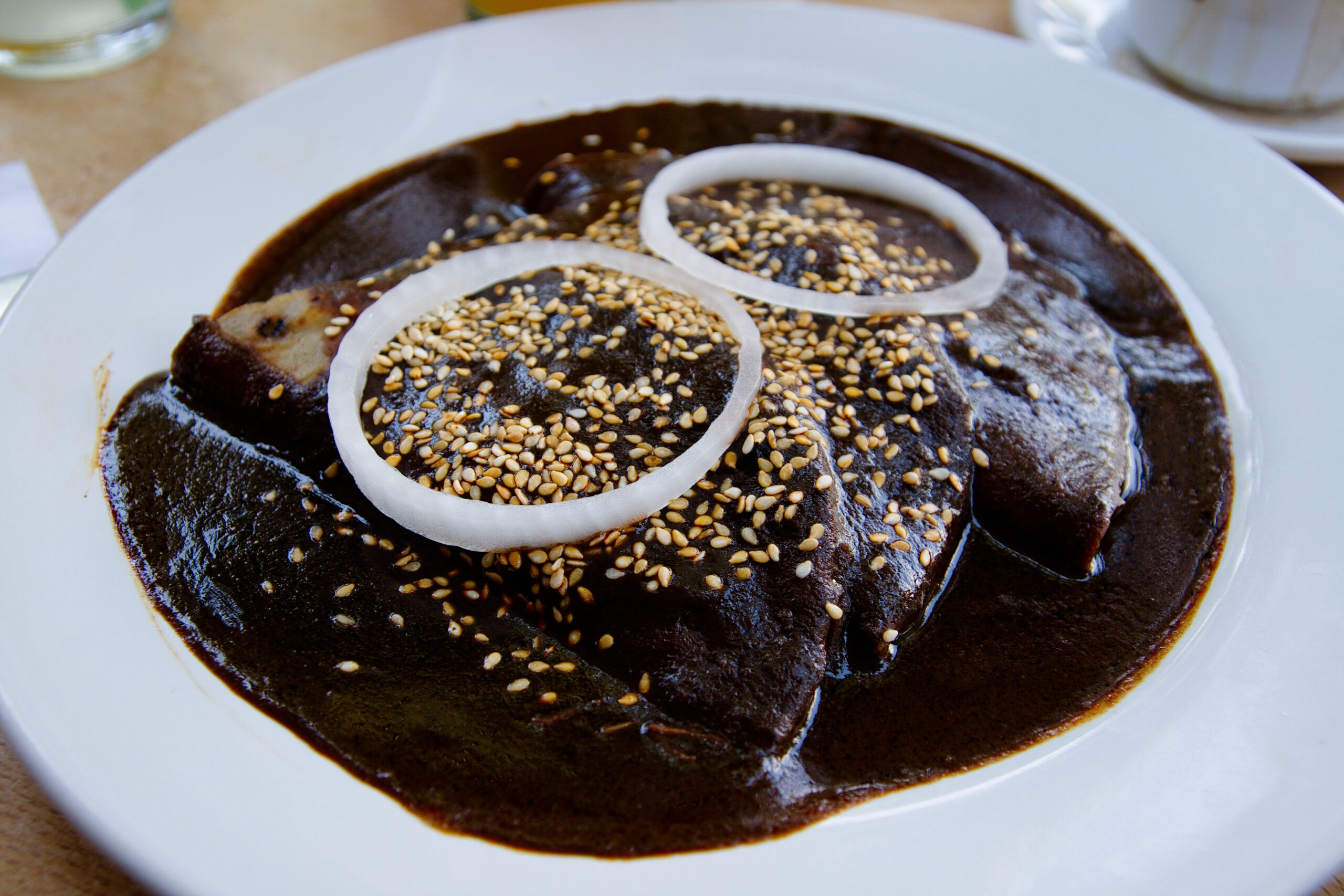
The traditional presentation is a generous ladle of the sauce over shredded chicken or turkey that has been poached separately in its own seasoned stock, with a portion of that poaching stock used to thin the mole to the right consistency just before serving. A scattering of toasted sesame seeds on top, reserved from the batch toasted for the sauce itself, is the standard garnish and adds a textural contrast the smooth sauce otherwise lacks.
Warm corn tortillas and a simple pot of black beans alongside round out the meal, and neither needs much seasoning of its own, since the mole is rich enough to carry the whole plate. Rice is a reasonable but less traditional addition for anyone wanting a starch beyond tortillas.
Frequently Asked Questions
Can mole negro be made in one day instead of two?
It can be compressed into one long day of continuous work, but splitting the chile toasting and blending from the final simmer across two days is easier for most home kitchens and does not affect the final result, since the pastes hold well overnight refrigerated.
Is mole negro very spicy?
No. Despite being built entirely on chiles, the dish is not meant to be hot, and the chiles used are chosen and balanced for flavor and color rather than heat. Any real heat in the finished sauce is mild.
What can replace chilhuacle negro if it truly cannot be found?
A mix of extra ancho and pasilla, toasted noticeably darker than usual, gets closer than either alone, though the result will taste good without being a fully authentic mole negro in the strictest sense.
Does the chocolate need to be a specific brand?
Mexican-style chocolate tablets, which include cinnamon and a coarser texture than eating chocolate, are the traditional choice and blend into the sauce more easily than a bar of dark eating chocolate, though either works in a pinch.
How long does the finished mole keep refrigerated?
About five days refrigerated in a sealed container, and considerably longer frozen. Reheat gently, stirring in a little stock or water if the sauce has thickened too much on standing.
Making mole negro once, start to finish, teaches more about how Oaxacan cooking builds flavor than reading about it ever could, and the version made on a second attempt is reliably better than the first, since the toasting judgment the dish depends on is the kind of thing that only comes from doing it.