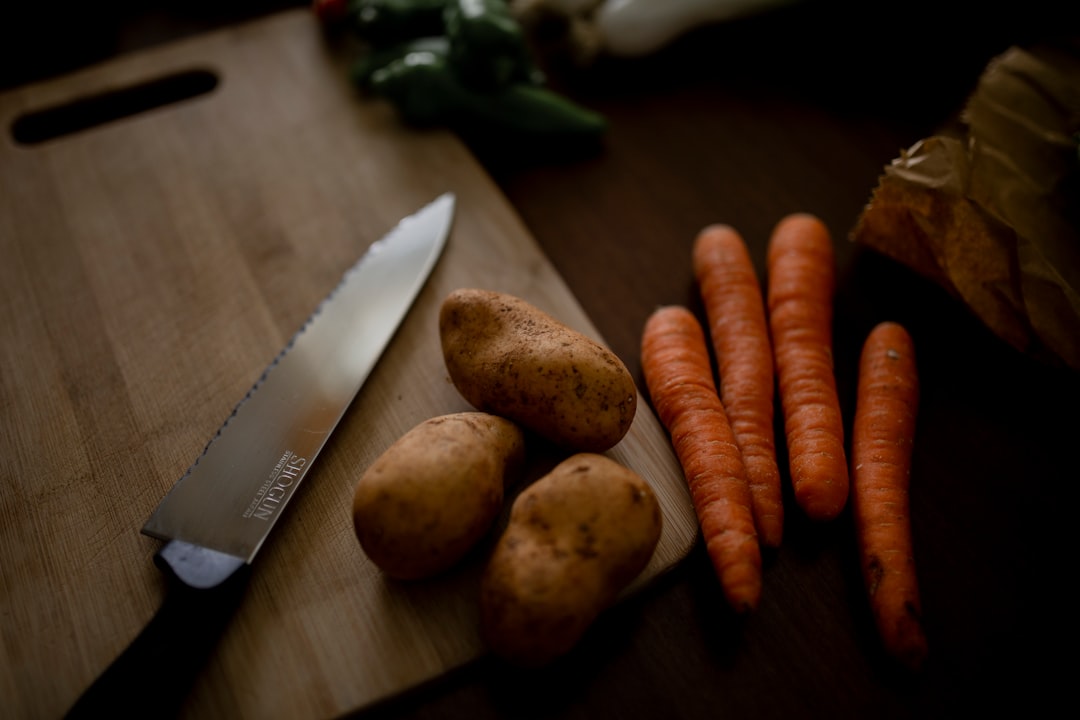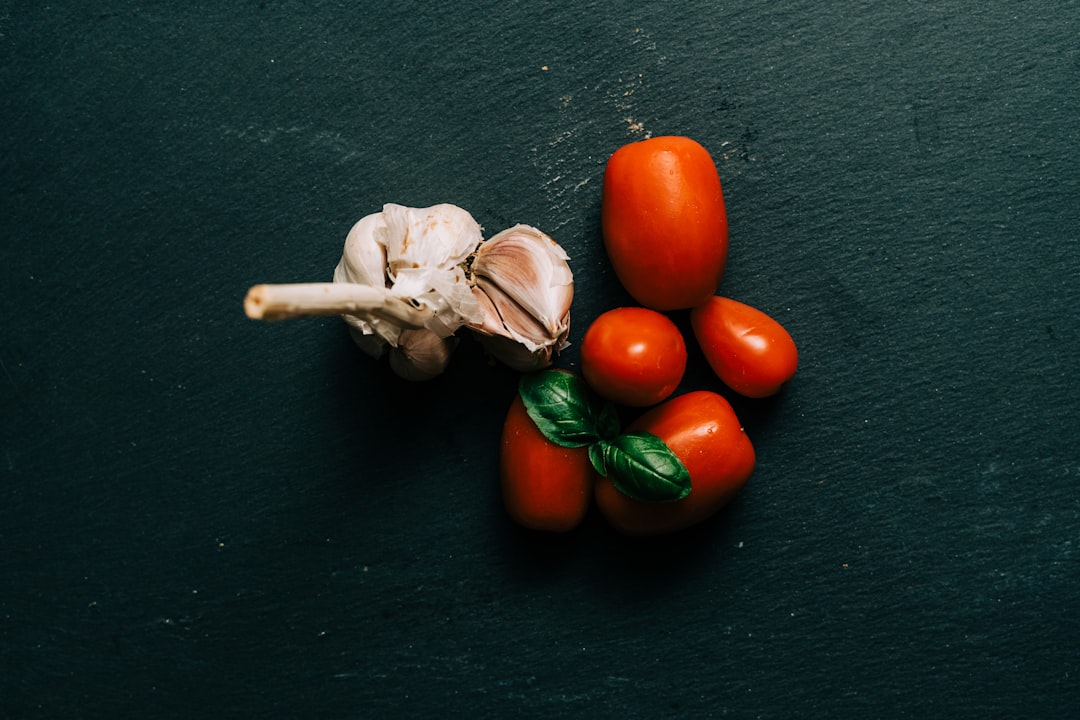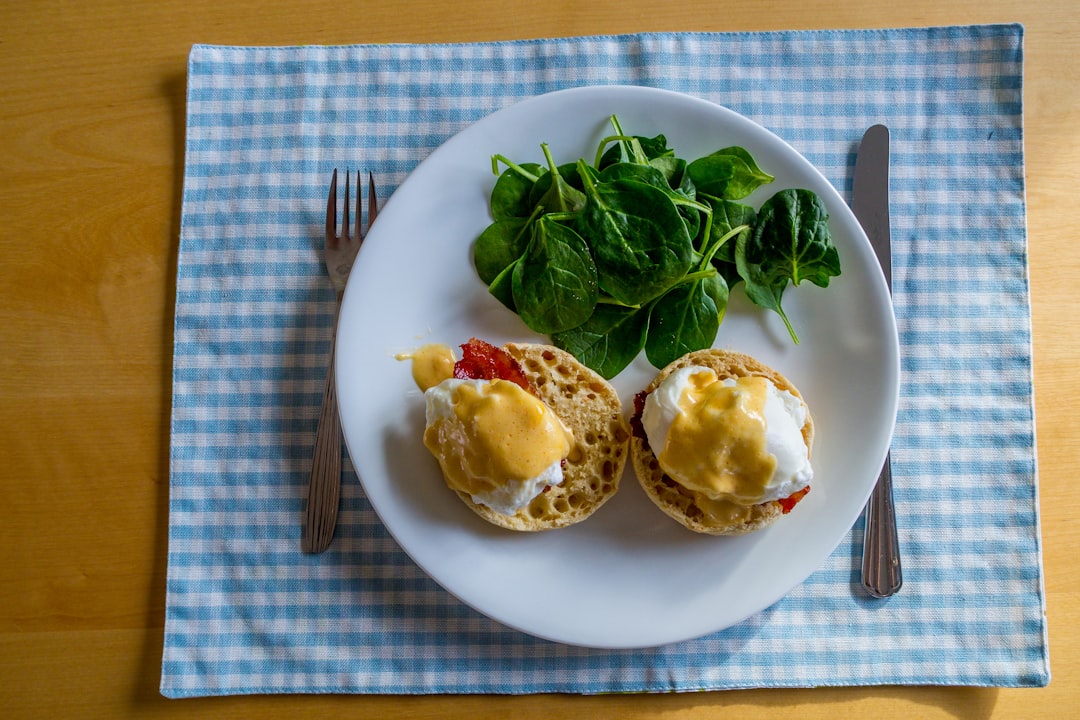

A vinaigrette that tastes correct and still tastes like nothing in particular is usually a lemon problem. Lemon is fast, it lives in the door of the refrigerator, and it does one job well: it puts citric acid on the front of the tongue and then gets out of the way. Often that is exactly what a plate needs. It is also why so many kitchens run the same single sour note through every dish on the table.
Four things on my shelf are sour and none of them is citrus. Tamarind carries sugar and a low, almost smoky depth along with the acid. Green mango is sharper than lemon and leaves the mouth dry. Sumac is acid in the form of a dry powder, which means it can go on after the pan comes off the heat without adding a drop of liquid. Verjus, pressed from unripe grapes, is the mildest of the four by a wide margin, and that turns out to be the reason to own it.
To get past adjectives I made one vinaigrette four times and one braise four times, changing only the acid, then tasted them next to each other and against a lemon control. The gaps were much wider in the dressing than in the braise, which is the first useful thing to know about all four.
- What this covers: four acids that stand in for lemon without sounding like lemon, with the working amount for each
- The four: tamarind, green mango (fresh and dried as amchur), sumac, verjus
- Cheapest: a seedless tamarind block, which costs less than three lemons and lasts about a year
- Keeps worst: ground sumac, noticeably duller six months after grinding
- The mistake to avoid: swapping any of them one for one by volume with lemon juice
- Prep time: tamarind needs ten minutes of soaking; the other three go in straight from the jar
The four types of sour ingredients, lined up on one scale
Sour is not a single flavor. Each of these carries a different acid molecule, a different amount of sugar, and a different physical form, and all three change what lands on the plate.
| Ingredient | Sold as | Main acid | Sugar | When it goes in |
|---|---|---|---|---|
| Tamarind | Pods, seedless block, jarred concentrate | Tartaric | High | Early, cooks well |
| Green mango | Whole hard fruit, or dried as amchur powder | Citric | None | Raw, or at the end |
| Sumac | Coarse dark red powder | Malic | None | After the heat, on top |
| Verjus | Bottled juice | Tartaric and malic | Slight | Off the heat, or to deglaze |
| Lemon juice | Fruit | Citric | None | At the end |
The sugar column settles most substitutions before you taste anything. Tamarind pulp is heavy with sugar, so a tablespoon is doing two jobs at once and a dressing built for lemon can end up reading as a sauce. Sumac and green mango carry none, which is why they can go in hard with no risk of sweetening a savory dish by accident.
Form decides the rest. Sumac is the only dry one here, and dry acid goes onto a finished roasting tray, a fried egg, or a bowl of yogurt without loosening any of them. That is a narrow talent with no substitute.
Tamarind: sour that arrives with sugar attached
Tamarind is the sticky pulp packed around the seeds inside a long brown pod. Its dominant acid is tartaric, the same acid that gives grapes and wine their spine, rather than the citric acid of a lemon. Tartaric reads rounder and slower across the tongue, and it does not fade with long heat, so tamarind stirred in at the beginning of a braise is still clearly there ninety minutes later.
Three forms sit on the shelf and they are not interchangeable. Whole pods are cheapest and the most work. A seedless block is the best value in the store: break off a two-inch piece, cover it with hot water for ten minutes, then mash it and push it through a sieve for roughly a quarter cup of thick pulp. Jarred concentrates vary enormously. The dark, nearly black ones run two to three times stronger than the light brown pastes and are often salted, so start with a third of what a recipe asks.
What tamarind gives that lemon cannot is body. It thickens a sauce slightly, it darkens the color, and its sugars brown, which is why a tamarind glaze lacquers and a lemon one does not.
Green mango and amchur: the sharpest of the four
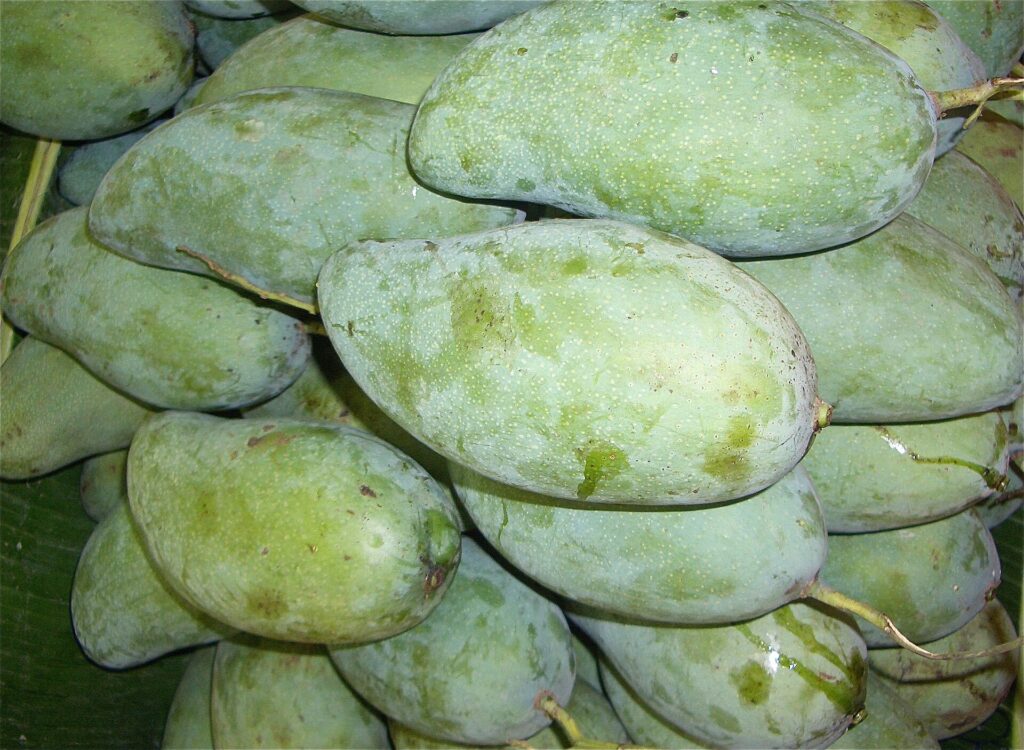
An unripe mango has almost no sugar and a great deal of citric acid, plus a green, resinous smell with no equivalent in the citrus family. Shredded raw into a salad it is more aggressive than lemon can be, because it delivers acid and crunch in the same bite.
Amchur is the same fruit, sliced, sun dried, and ground to a pale beige powder. It is a workhorse of northern Indian cooking: chana masala, spiced potato fillings, blends that need sourness with no added liquid. Roughly a quarter teaspoon does the work of a teaspoon of lemon juice, and it will not make a filling wet enough to tear a wrapper.
Buying a green mango means buying a rock. It should be hard all over with no give at the stem end, and the cut flesh white-green rather than yellow. Any softness means the sugars have started and the acid is already dropping. Peel it, shred it on the large holes of a box grater, and use it that day.
Sumac: acid you can add after the cooking is over
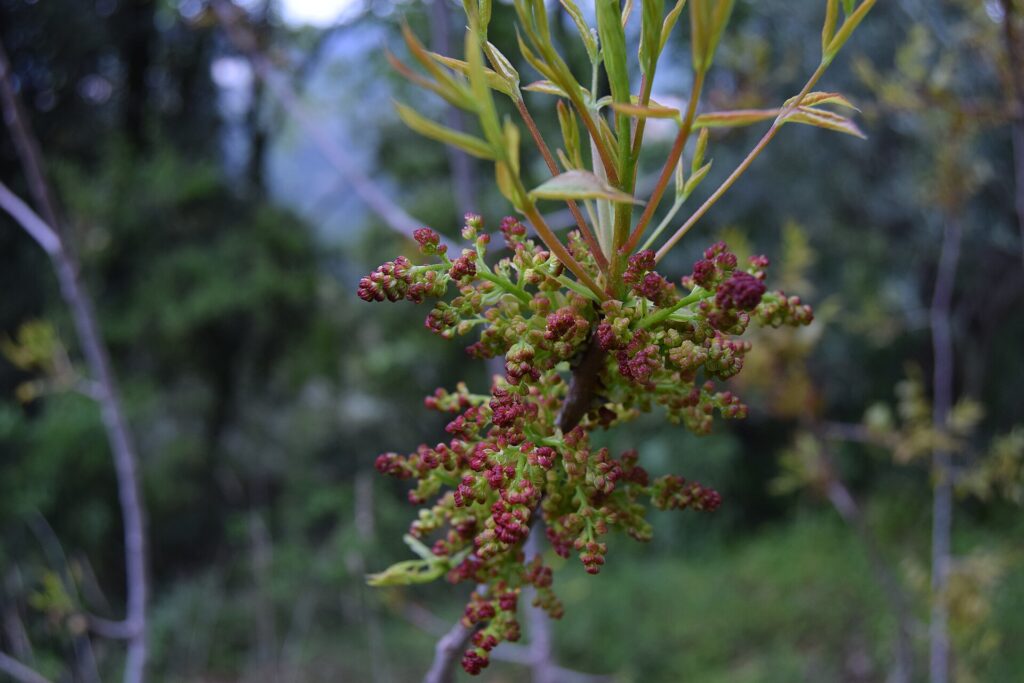
Sumac is the dried and ground fruit of a Mediterranean shrub, sold as a coarse, brick-red powder. Its dominant acid is malic, the one that makes a green apple tart. It is the sour element in za’atar, and it goes over grilled meat, raw onion, chickpeas, roast vegetables, and yogurt across Turkey, the Levant, and Iran.
Two warnings, both practical. Culinary sumac and poison sumac are different plants in different genera, and nothing sold as a spice is the toxic one. The commercial warning is the real one: a great deal of ground sumac is cut with salt, and some is cut with citric acid to sharpen faded stock. The ingredient panel should say sumac, and that should be the whole list.
The reason to keep a jar is physics more than flavor. Dry acid lands on the surface and stays there, so a spoonful over roasted cauliflower gives a bright edge on every piece rather than a wash of liquid pooling on the tray. The cost is shelf life: ground sumac is visibly browner and audibly quieter at six months. Buy the small jar and finish it.
Verjus: acidity that does not fight the wine on the table
Verjus is the pressed juice of unripe grapes, harvested in midsummer while the acid is high and the sugar has barely begun. It was the standard kitchen acid across Europe for centuries, then cheap vinegar and shipped lemons arrived and it nearly vanished. Bottles are pressed again now in France, in Australia, and in a handful of American wine regions.
Its total acidity sits well below vinegar and below lemon juice, which makes it the odd one here: you use more of it, not less. Where a dressing takes a tablespoon of lemon, it takes about a tablespoon and a half of verjus, and the result is softer and rounder with none of the acetic burn.
The specific case for it is what happens at the table. Vinegar and lemon both flatten a glass of wine served alongside; grape acid does not, because it is the acid the wine already contains. Two footnotes: most bottles are stabilized with a small amount of sulfites, which matters to anyone sensitive to them, and verjus is not alcoholic, since the fruit is picked long before fermentation is possible.
One vinaigrette, made four times
The control was deliberately bare: one tablespoon of acid, three of olive oil, a teaspoon of minced shallot, a quarter teaspoon of fine salt. Whisked, rested ten minutes, tasted on plain butter lettuce.
- Lemon. Immediate, high, and gone. Clean, and by the fourth forkful it had stopped saying anything.
- Tamarind. Needed thinning with water and still coated the leaves heavily. Sweet enough that the salt had to go up. Better on something sturdy than on lettuce.
- Green mango. Two tablespoons of shredded fruit rather than juice, so the dressing had texture. The sharpest of the five and the only one that made the shallot taste mild.
- Sumac. A teaspoon and a half, and it never dissolved. The dressing tasted almost flat until the grains hit the tongue, at which point it was very good. Gritty, in a way that suits a chopped salad and not a leaf.
- Verjus. A tablespoon and a half. The one I would put on a delicate lettuce again: long, gentle, and it left the leaf tasting like a leaf.
Sumac was the surprise. It is not a vinaigrette ingredient in any liquid sense, but sprinkled over an already dressed salad it does more than the same weight stirred in, because it stays whole until it is bitten. On a plain green salad, verjus is the substitution that needs no other adjustment.
The same braise, four times over
The base was bone-in chicken thighs browned skin down, then onion, garlic, ginger, a can of whole peeled tomatoes crushed by hand, and a cup of stock, lidded at a bare simmer for forty minutes. One level tablespoon of acid went in with the tomatoes each time.
Tamarind won outright and it was not close. Forty minutes of heat does nothing to tartaric acid, and the sugar in the pulp reduced with the tomato into something with far more depth than the control had. The sauce ran a shade darker and clung to the thighs instead of sliding off them.
Verjus mostly disappeared, which is what a delicate juice does in a long simmer; hold it back and add a splash off the heat instead, where it behaves like a gentler lemon. Amchur held up better than expected, keeping a dry, tart edge through the whole cook, though it does nothing for the texture of the sauce.
Sumac stirred into a braise is a waste of good sumac. It muddied the color and lost the crack it has when used dry. Scattered over the finished thighs with parsley, the same teaspoon made the best version on the table. The rule out of the whole exercise is short: acids with sugar go in early, acids without go in late, and powdered acid never goes in at all.
How much to use when you are standing in for lemon
These are working amounts for one tablespoon of lemon juice, arrived at by tasting rather than arithmetic. Adjust down before you adjust up.
| Instead of 1 tbsp lemon juice | Use | What else it brings | Where it fails |
|---|---|---|---|
| Tamarind pulp (soaked block) | 2 to 3 tsp, loosened with water | Sugar, body, brown color | Anything pale or delicate |
| Tamarind concentrate (dark jar) | 1 tsp, then taste | Sugar, salt, strong color | Salted dishes, easy to overshoot |
| Fresh green mango | 2 tbsp shredded | Crunch, green aroma | Smooth sauces and purees |
| Amchur powder | 3/4 tsp | Dryness, faint fruit | Clear broths, which it clouds |
| Sumac | 1 1/2 tsp, on top | Color, texture, slow release | Anything stirred and simmered |
| Verjus | 1 1/2 tbsp | Softness, wine friendliness | Long cooking, where it fades |
Two of these change the liquid balance enough to matter. Verjus adds half a tablespoon of volume, which is nothing in a braise and something in a mayonnaise. Amchur adds none, which is exactly why it belongs in a samosa filling and lemon does not.
The cuisines that are built on each one
None of these is an exotic substitute for lemon. Each is the default acid of a large and old cooking tradition, and the dishes built on them are the fastest way to understand what each one is for.
Tamarind runs the whole tropical belt. Southern India puts it in sambar, in rasam, and in the tamarind rice of Tamil Nadu. Thailand uses it in pad thai and in kaeng som. Mexico turns it into candy, agua fresca, and a chile-salt paste. West Africa and the Caribbean drink it. Wherever the tree grows, its pulp is the sour of the region.
Green mango belongs to South and Southeast Asia, shredded raw into salads with fish sauce, chile, and peanuts in Thailand and Vietnam, dried into amchur in India and boiled into aam panna for the hot months. Sumac maps to Turkey, the Levant, and Iran, where it dusts kebabs, sliced onion, hummus, and rice. Verjus is European, and its territory runs from medieval France through Persia and the Caucasus, which is why it turns up in Georgian cooking well before it turns up in a modern French one. Our survey of regional spice pantries covers the same map from the dry side of the shelf.
Buying them, storing them, and the two that go off
A tamarind block keeps about a year in a sealed bag at room temperature and darkens and stiffens without spoiling. Once soaked into pulp it lives a week refrigerated, or three months frozen in a tray of tablespoon cubes, which is the form I actually use. Opened concentrate keeps for months in the door.
Green mango does not store, so buy it the day you want it. Amchur keeps about a year and its decline is easy to read: fresh amchur smells fruity and faintly sulfurous, old amchur smells like flour and does nothing.
Sumac is the one to buy small and often, and whole dried berries keep far longer than the powder if you can find them. Verjus is shelf stable sealed and behaves like an open bottle of wine once broken: refrigerate it and use it within a few weeks, before it oxidizes and tastes tired. The same logic runs through most of the less obvious pairings worth keeping on a shelf.
Frequently Asked Questions
Can I use these in a recipe that calls for vinegar?
Only verjus comes close, and it is milder, so use about a third more than the vinegar called for. For a pickle or anything preserved, stay with vinegar: commercial vinegar has a standardized acidity and none of these four does.
Is tamarind concentrate the same thing as tamarind paste?
The labels are used loosely and the products are not equivalent. Anything sold as concentrate is usually dark, thick, and strong; anything sold as paste or pulp is lighter and closer to a soaked block. Taste a quarter teaspoon straight before committing any of it to a pot, since brands differ by a factor of three.
Why does my sumac taste salty?
Because salt was added, which is common at the lower end of the market and legal as long as it appears in the ingredients. Salted sumac is not ruined, but the salt has to come down elsewhere in the dish. If citric acid is listed too, the sourness is not coming from the fruit.
Does verjus contain alcohol?
No. The grapes are pressed months before they hold enough sugar to ferment. Most producers add a small amount of sulfites for stability, which is the one thing worth checking on the label if sulfites are a problem for you.
Which one should I buy first?
A seedless tamarind block, on cost and range: a few dollars, a year of shelf life, and a large number of dishes across three continents. Sumac second, because it does something none of the others can do.
Keep two of them within reach of the stove and the habit builds itself. The next time a dish tastes finished but somehow quiet, the question stops being how much more lemon it needs and becomes which acid it was asking for.