
A recipe that says one onion, chopped, is asking for a yellow onion. It almost never says so, and most of the time it does not have to, because a yellow onion sweated in fat is the neutral floor under half of American and European cooking. The trouble starts when the mesh bag on the counter holds something else.
Put a sweet onion into a long braise and the pot comes out slack and faintly cloying. Put a yellow onion raw into a shallot dressing and it flattens everything under it. Put anything at all where a recipe asked for leeks and you get a louder dish than the one that was written. None of that is fussiness. These five bulbs differ in water, in sugar, and above all in sulfur, and those three numbers decide what happens over heat.
So I cooked all five the same three ways, sliced raw, sweated in butter for ten minutes, and browned slowly for forty, then tasted them in a row. Below is where each one lands, a substitution chart with real amounts, and the three dishes where no substitution holds.
- The five: yellow onion, sweet onion, red onion, shallot, leek
- The variable that matters: sulfur, not sugar. Sweet onions are not sweeter, they are milder
- Best all-round: the yellow storage onion, which is also the cheapest of the five
- Worst keeper: sweet onions, measured in weeks rather than months, and they want the refrigerator
- Rough equivalence: one medium yellow onion is about three shallots, or one large leek using white and pale green only
- The three no-swap dishes: French onion soup, a raw shallot dressing, and potato and leek soup
Types of onions cooking guides treat as interchangeable
Grocery signage does not help. A bin marked onions can hold storage yellows next to Vidalia-type sweets at three times the price, and the two behave nothing alike in a pan. Sorting them by how they cook rather than by color makes the shelf easier to shop.
| Allium | Raw bite | Water | Where it belongs | Keeps |
|---|---|---|---|---|
| Yellow onion | Strong, harsh | Moderate | Any cooked application | Months, cool and dark |
| Sweet onion | Mild, juicy | High | Raw slices, rings, quick saute | Weeks, refrigerated |
| Red onion | Strong but clean | Moderate | Raw, pickled, roasted whole | Months, cool and dark |
| Shallot | Sharp, then sweet | Low | Dressings, pan sauces, crisp-fried | Weeks to months |
| Leek | Almost none | Moderate | Slow melting, soups, braises | Two weeks, refrigerated |
The water column predicts most kitchen disasters. A high-water bulb cannot brown until it has given up that water, so a sweet onion in a hot skillet steams itself pale and gray while the cook waits for color that is not coming.
Sulfur, not sugar, is what separates them
Almost everyone has the sweet onion story backwards. A Vidalia-type onion is not carrying more sugar than the yellow onion beside it. It is carrying less sulfur, and sulfur is what masks the sugar that was there all along.
Alliums store sulfur compounds in one part of the cell and an enzyme that acts on them in another. A knife breaks that wall, the two meet, and a rapid chain of reactions produces both the pungency and the volatile compound that makes eyes water. The onion industry actually grades pungency by measuring the pyruvate that reaction throws off, which is why mildness can be a specification rather than an opinion.
Sweet varieties are grown in low-sulfur soil, so they have less raw material to work with. That is the whole mechanism. It also explains the trade-off nobody mentions on the sign: those same onions carry more water and less dry matter, which is exactly the profile that rots first and browns worst.
Heat resets the whole thing. Cooking destroys the enzyme within a minute or two, so nothing new forms, and what is already there breaks down into compounds that read as sweet and savory instead.
The yellow onion is the one the recipe means
A storage yellow has thick papery skin, firm dense flesh, and enough sulfur to be unpleasant raw in most quantities. It is bred to sit in a bin from harvest through spring, and a good one in a cool, dark, dry place with air around it will hold for months without softening.
In the pan it does everything. It sweats down without falling apart, it browns properly because there is dry matter to brown, and it survives ninety minutes in a braise still contributing something. A medium yellow onion runs around eight ounces and gives roughly a cup chopped, which is the unit almost every written recipe assumes.
Price settles the rest. Yellow onions are usually the cheapest fresh allium in the store by a wide margin, and a three-pound bag keeps long enough to justify itself. If only one allium lives in the kitchen, this is the one.
Sweet onion: high water, low sulfur, short shelf
Vidalia, Walla Walla, Maui, and Texas 1015 are regional names for the same idea: a low-sulfur bulb you can eat in slices without wincing. On a burger, in a tomato salad, on a plate of smoked fish, that mildness is the entire point and no yellow onion substitutes for it.
Cooked, it is a liability more often than an asset. The extra water dilutes a sauce and delays browning, and once the sugars finally concentrate there is no sulfur backbone holding them in check. A soup built on sweet onions tastes thin and oddly sugary, and salt at the end does not fix it.
Storage is the other catch. High water and thin skin mean these bruise and rot fast. Keep them in the refrigerator rather than a bowl on the counter, spread out rather than stacked in a bag, and use them inside a few weeks.
Red onion, and color that behaves like a pH strip
The purple in a red onion comes from anthocyanin pigments, the same family that colors blueberries and red cabbage, and those pigments respond to acid and alkali. Drop sliced red onion into vinegar or lime juice and within twenty minutes it turns an almost fluorescent pink. That is chemistry, not a trick, and it is why quick-pickled onions look the way they do.
Cook them in a neutral pan and the reverse happens: the color leaches out, drifts toward a muddy gray-brown, and stains anything pale that it touches. Red onions in a cream sauce or a light risotto will do visible damage. Roasted in wedges with a splash of vinegar, they hold color and turn genuinely good.
Flavor-wise a red onion sits closer to a yellow than people expect, with plenty of bite and a little more sugar. If it is too aggressive raw, slice it thin and soak it in cold water for ten minutes. Soaking carries off a share of the water-soluble sulfur compounds and works far better than a rinse under the tap.
Shallot: more sugar, less water, and it burns sooner

A shallot is a close relative of the onion that grows in clustered bulbs rather than one round head, which is why peeling a pound of them takes real patience. What you get in return is a denser bulb with less water and more concentrated sugar than an onion of the same weight.
That density is what makes it the standard for uncooked work. Minced fine into a vinaigrette, a mignonette, or a steak sauce, it gives sharpness without the lingering harshness a yellow onion leaves behind, and the pieces stay small enough to disappear into the dressing. This is the single job on the list where a substitution is genuinely noticeable at the table.
The same sugar is a hazard on heat. Shallots brown faster than onions and cross from golden to bitter in under a minute, so they want lower heat and closer attention, and in a pan sauce they should go in after the pan has come down off its screaming point. Fried crisp for a topping, pull them out while they are still pale gold, because they keep darkening on the paper towel.
Leek: the allium with no raw bite
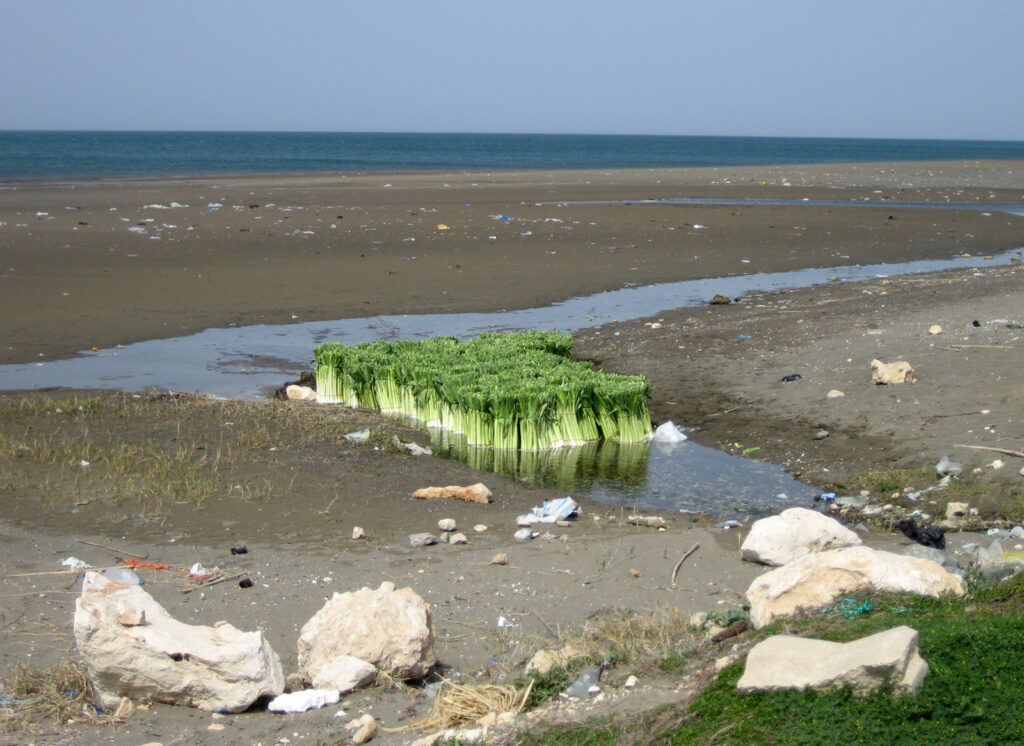
Leeks belong to a different species than onions and shallots, and it shows in the flavor: mild, faintly grassy, and almost entirely free of the raw sting the others carry. Nothing else on the list can be cooked gently in butter for twenty-five minutes and turn into a soft, sweet, silky base with no browning at all.
Two practical rules. Use the white and pale green portions for anything where texture matters, because the dark green tops are fibrous and stay tough. Those tops are not garbage, though; they go into stock along with onion skins, celery ends, and parsley stems, which is one of the easier habits for cutting kitchen waste without much effort.
The second rule is grit. Leeks grow with soil pushed up around the stem, and sand works its way between the layers where rinsing the outside does nothing. Split the leek lengthwise, slice it, drop the slices into a bowl of cold water, and swish. The sand sinks; lift the leeks out with your hands rather than pouring the bowl through a strainer, or the grit lands right back on them.
Raw, sweated, and browned: the same five, three ways
Tasting them side by side made the gaps obvious, and they were not the gaps I expected. Raw, the differences were enormous. Sweated, they narrowed. Browned for forty minutes, four of the five converged so far that a blind taste would be guesswork.
| Allium | Raw, sliced thin | Sweated 10 minutes | Browned 40 minutes |
|---|---|---|---|
| Yellow onion | Harsh, lingers | Clean, savory, neutral | Deep, jammy, the reference point |
| Sweet onion | Juicy, gentle | Watery, slightly sugary | Pale, slow, tastes underseasoned |
| Red onion | Sharp but clean | Gray, decent flavor | Good flavor, unattractive color |
| Shallot | Sharp then sweet, fades fast | Rounded, refined | Rich but easy to scorch |
| Leek | Grassy, very mild | Silky, sweet, distinct | Collapses to a soft paste |
That tells you where to spend. If a dish cooks for an hour, a yellow onion does everything a shallot would at a quarter of the price. If the allium is raw or barely cooked, the choice is the dish.
The substitution chart, with amounts
Volume equivalence is the part most charts skip, and it is where swaps go wrong even when the flavor direction was right. These are working amounts rather than laboratory figures, and they assume the substitute is going into a cooked dish.
| Called for | Use instead | Amount | Adjust |
|---|---|---|---|
| 1 medium yellow onion | Shallots | 3 medium | Add a minute later, lower heat |
| 1 medium yellow onion | Leek, white and pale green | 1 large | Wash well, expect a milder dish |
| 1 medium yellow onion | Red onion | 1 medium | Fine unless the dish is pale |
| 1 medium yellow onion | Sweet onion | 1 medium, plus longer | Cook off the water first, salt harder |
| 1 shallot, minced raw | Yellow onion | 2 tablespoons, soaked | Soak 10 minutes in cold water |
| 1 leek | Yellow onion, no brown | 1 medium | Sweat covered, never let it color |
Dried onion is a different tool rather than a backup. A tablespoon of onion powder brings savory depth and no texture, no moisture, and none of the bulk that a chopped onion contributes to a sauce, so a recipe that leaned on a whole onion for body will come out thin.
Three dishes where the swap does not work
Most substitutions cost a little and nobody notices. These three cost the dish.
French onion soup. The whole structure rests on yellow onions cooked down until their sugars concentrate against a savory backbone. Sweet onions bring more water to boil off and no sulfur to balance the sugar, so the pot tastes like sweetened stock. People blame the cheese; it is not the cheese. The dish sits among the standards of the French repertoire for good reason.
A raw shallot dressing. Mignonette for oysters, a shallot vinaigrette, a steak sauce finished off the heat. Raw yellow onion here is loud and stays loud, and it keeps talking for an hour after the meal. If shallots are genuinely unavailable, mince the onion very fine, soak it in the vinegar for fifteen minutes before adding oil, and accept that it is a compromise.
Potato and leek soup. The leek is not an ingredient in this soup so much as the reason it exists. Onions turn the same pot into something perfectly decent and completely different, sharper on the finish and less silky in the mouth. Serve it, but do not call it the original.
The cut onion question, and where the rest of them live
Buy bulbs that feel heavy for their size, with dry tight skin and no give at the neck, which is where rot starts. A green shoot pushing out the top means the bulb is on its way out, and the flesh around it has already gone bitter.
Whole yellow and red onions want cool, dark, dry, and airy, so an open basket beats a sealed bag. Keep them away from potatoes, since each releases moisture that makes the other spoil faster. Shallots keep the same way; sweet onions and leeks are the exceptions and belong in the refrigerator.
Cut onions raise a question that comes up constantly, so here is the plain answer: a halved onion left on the counter does not absorb bacteria out of the air and does not become poisonous. It is simply a cut vegetable, and cut vegetables belong in the refrigerator within two hours, wrapped, and used within a few days. The same two-hour habit that governs general storage guidance covers this one; folklore about magnetized germs does not.
Frequently Asked Questions
Can a sweet onion replace a yellow onion in soup?
In a quick soup that is fine. In anything built on browned onions it is not, because the extra water delays browning and the missing sulfur leaves the sugars unbalanced. If it is the only onion in the house, cook it longer than the recipe says, let the water go, and be firmer with the salt.
How many shallots equal one onion?
Three medium shallots for one medium yellow onion is the working ratio in a cooked dish. Going the other direction is harder: a raw shallot in a dressing has no honest onion equivalent, and two tablespoons of finely minced onion soaked in cold water is the nearest approximation.
Should the dark green tops of leeks be thrown out?
Not thrown out, just not eaten as they are. They are too fibrous for the pan but perfectly good in stock, where an hour of simmering pulls the flavor out and the fiber gets strained away. Freeze them in a bag with other trimmings until there is enough for a pot.
Why do red onions turn gray when I cook them?
The anthocyanin pigment that makes them purple shifts color depending on acidity and leaches into the surrounding liquid. Acid keeps it pink, neutral and alkaline conditions push it toward gray-blue. A splash of vinegar or lemon in the pan holds the color, and cooking them separately keeps a pale sauce from turning dingy.
Does soaking sliced onion in water really reduce the bite?
Yes, and it is worth the ten minutes. The compounds responsible for the harshest edge dissolve in water, so a cold soak carries a good share of them away. Drain well and pat dry, because a wet onion will dilute whatever it lands in.
Buy the yellow onions in a bag, keep three shallots and a couple of leeks beside them, and the substitution question mostly answers itself. The chart above matters on the day something is missing, and even then the honest move is to cook the dish the ingredient wants rather than the one the shopping list promised.