The table is set for people who will not sit down to eat from it. A framed photograph, a glass of water, a dish of the food someone loved, and at the center of most ofrendas across Mexico, a round, orange-scented loaf with a pattern of bones baked into its crust. Nothing on the table is randomly chosen, and nothing on it is there just to look festive.
An ofrenda, the home altar built for Dia de los Muertos, is a specific arrangement with each element doing a job: guiding the dead back, feeding them symbolically, and marking the days set aside for the visit. Pan de muerto sits at the center of nearly every one of them, and the bread itself carries as much meaning in its shape as its taste.
Below is what actually goes on the table, what each element is for, a working pan de muerto recipe built around orange blossom water, and the timing that puts a fresh loaf on the ofrenda for November 1 and 2 rather than for Halloween.
- Pan de muerto: a sweet, orange-scented bread with dough shaped into bones on top
- Marigolds: cempasuchil, whose scent and color are believed to guide spirits home
- Salt and water: purification and refreshment after the long journey
- Copal incense: smoke that carries prayer and cleanses the space
- The dead’s favorite dish: cooked fresh, specific to the person being remembered
- Timing: the ofrenda is built for November 1 and 2, not October 31
A pan de muerto recipe starts with the orange blossom water
A proper pan de muerto recipe leans on orange blossom water and orange zest together, which is what separates it from a generic sweet roll. The orange blossom water goes into the dough itself, a tablespoon or two depending on how strong the bottle is, alongside the zest of one whole orange worked into the sugar before it meets the butter.
Anise seed is the second aromatic many versions include, either whole seeds steeped briefly in the warm milk used to activate the yeast, or ground and added directly to the dry ingredients. Between the orange and the anise, the finished bread has a perfume unlike most other sweet breads, floral and slightly warm rather than simply sweet.
A working ratio for a home batch: four cups of flour, a stick of butter, four eggs, a third cup of sugar, two and a quarter teaspoons of active dry yeast, a third cup of warm milk, the zest of one orange, two tablespoons of orange blossom water, and a teaspoon of anise seed. That yields two medium loaves, enough for a family ofrenda with a little left over for the table.
What actually sits on an ofrenda, dish by dish
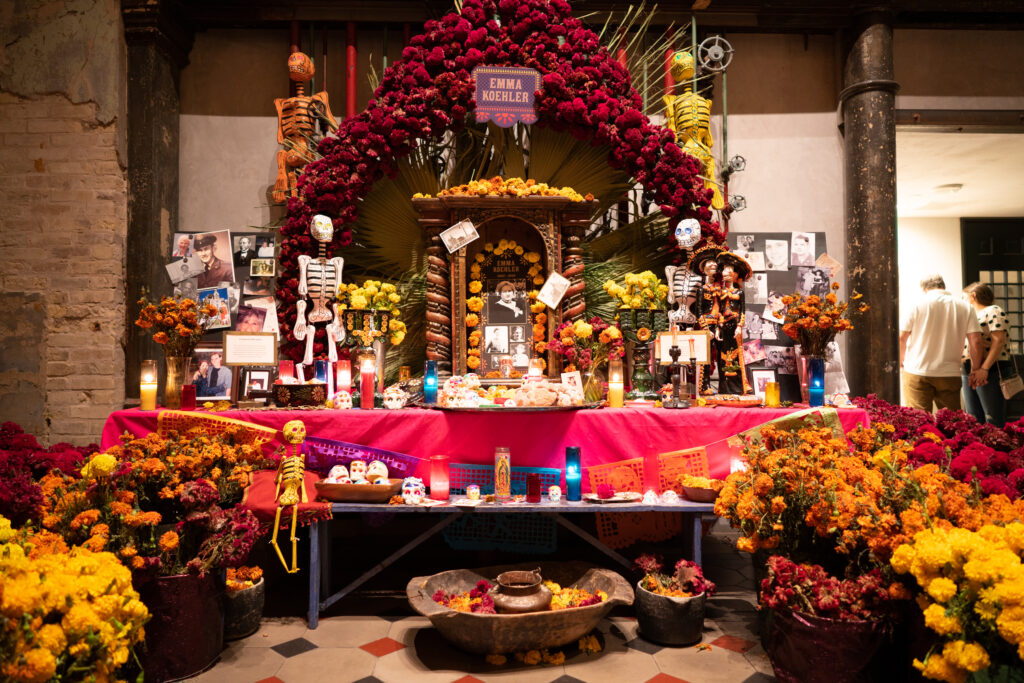
Beyond the bread, a full ofrenda typically includes the deceased’s favorite dish, made fresh rather than reheated from a previous batch, on the theory that the returning spirit deserves the same care given to a living guest. Fruit, particularly seasonal items like guavas, oranges, and sugarcane, sits alongside candy, often in the shape of skulls, made from sugar or amaranth.
A glass of water addresses thirst after a long journey back from wherever the dead are believed to travel from, and in some households a small glass of the deceased’s preferred drink, whether tequila, atole, or coffee, joins it. Salt, placed in a small dish or sprinkled directly, is understood as a purifying element, and photographs of the person being honored sit at the center of the whole arrangement, since the ofrenda is built around a specific person or several specific people rather than the dead in general.
The dead’s favorite dish, and why it’s cooked fresh each year
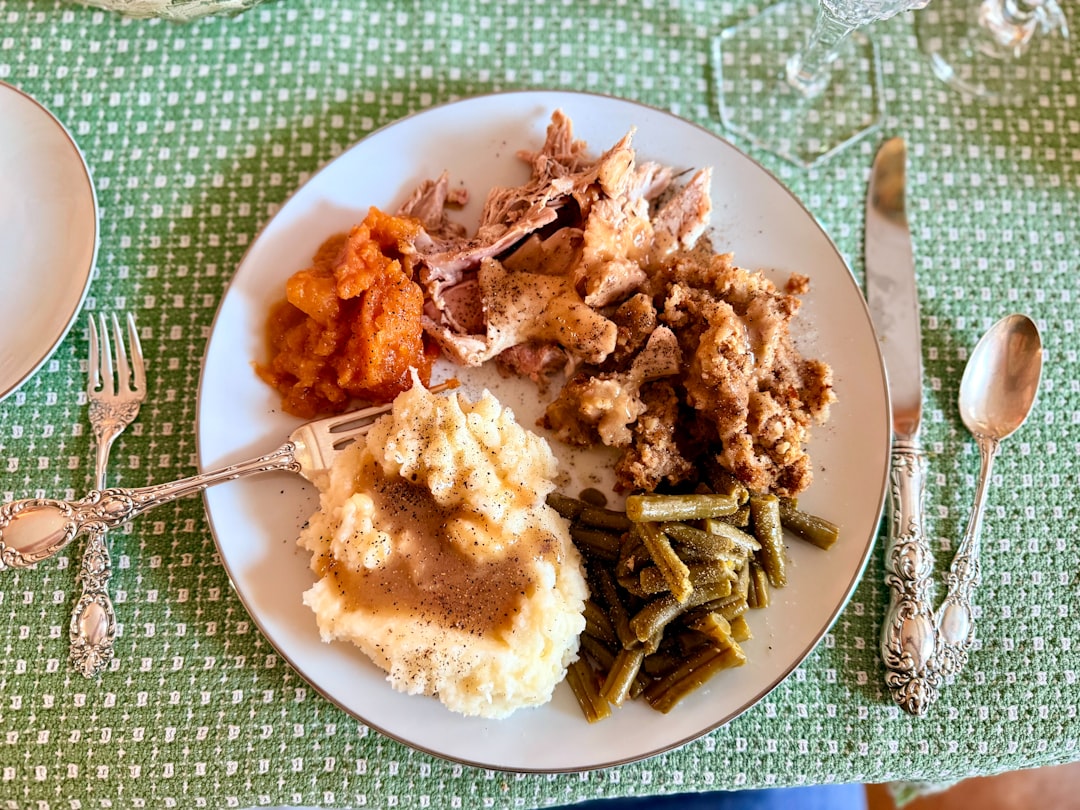
Whatever the person loved to eat while alive is prepared again for the ofrenda, which is why no two families’ altars carry identical food. One household might set out mole and rice; another, a plate of tamales; another, pan dulce from a specific bakery the person visited every week. The idea that food carries a specific family or regional identity runs through our broader look at celebrating cultural heritage through food.
Cooking it fresh each year, rather than reusing a photograph of the dish or a symbolic token, reflects the belief that the returning spirit is met the way a living family member would be, with a meal made specifically for the occasion rather than something pulled from the freezer. It is one of the more labor-intensive parts of building an ofrenda and one families rarely skip.
Sharing the labor across a family is common. One relative handles the mole from scratch while another buys tamales from a trusted vendor rather than making them at home, and the ofrenda accepts both contributions without any hierarchy between homemade and purchased, since the intention behind setting the food out matters more than who cooked it.
Pan de muerto: the bones on top are not decoration
The strips of dough arranged across the top of the loaf, usually four, crossing in the center over a small round knob, represent bones, and the round shape of the entire loaf is generally understood to represent a skull or, in some interpretations, the cycle of life and death. This is not a whimsical shape chosen after the fact; the bread is built around that symbolism.
The central knob is sometimes described as a teardrop or a heart, depending on the region and the baker, and some versions color the top with a wash of egg and coat it in sugar, while others use a glaze. Either finish sits on top of the same underlying shape, and the bones stay the one consistent feature across nearly every regional variation of the bread.
Some bakers add a fifth strip of dough, thinner than the four bones, curled into a small circle to represent a skull resting among the bones, though this detail is far less standardized than the crossed bones themselves and varies by bakery and by family recipe passed down through generations.
The dough, the anise seed, and the two rises
The dough itself is an enriched, egg-heavy dough closer to a brioche than to a plain dinner roll, built with butter, sugar, eggs, orange zest, and orange blossom water worked into a base of flour, yeast, and warm milk. It needs two rises, the first for the dough itself before shaping and the second after the bone decorations are applied, each taking roughly ninety minutes in a warm kitchen.
Handling the dough gently once the decorative bones are attached matters more than with a plain loaf, since overworking it at that stage can deflate the second rise and leave the finished bread dense rather than airy. A light touch when transferring the shaped loaf to the baking sheet preserves the structure the two rises were meant to build.
Bake at 350 degrees Fahrenheit for about twenty-five minutes, until the top is deep golden and the loaf sounds hollow when tapped on the bottom. Brush it with melted butter as soon as it comes out of the oven and toss it in a mixture of granulated sugar while still warm, which is the traditional finish in most central Mexican households, rather than the powdered sugar dusting some newer variations use.
Baking it for November 1 and 2, not October 31
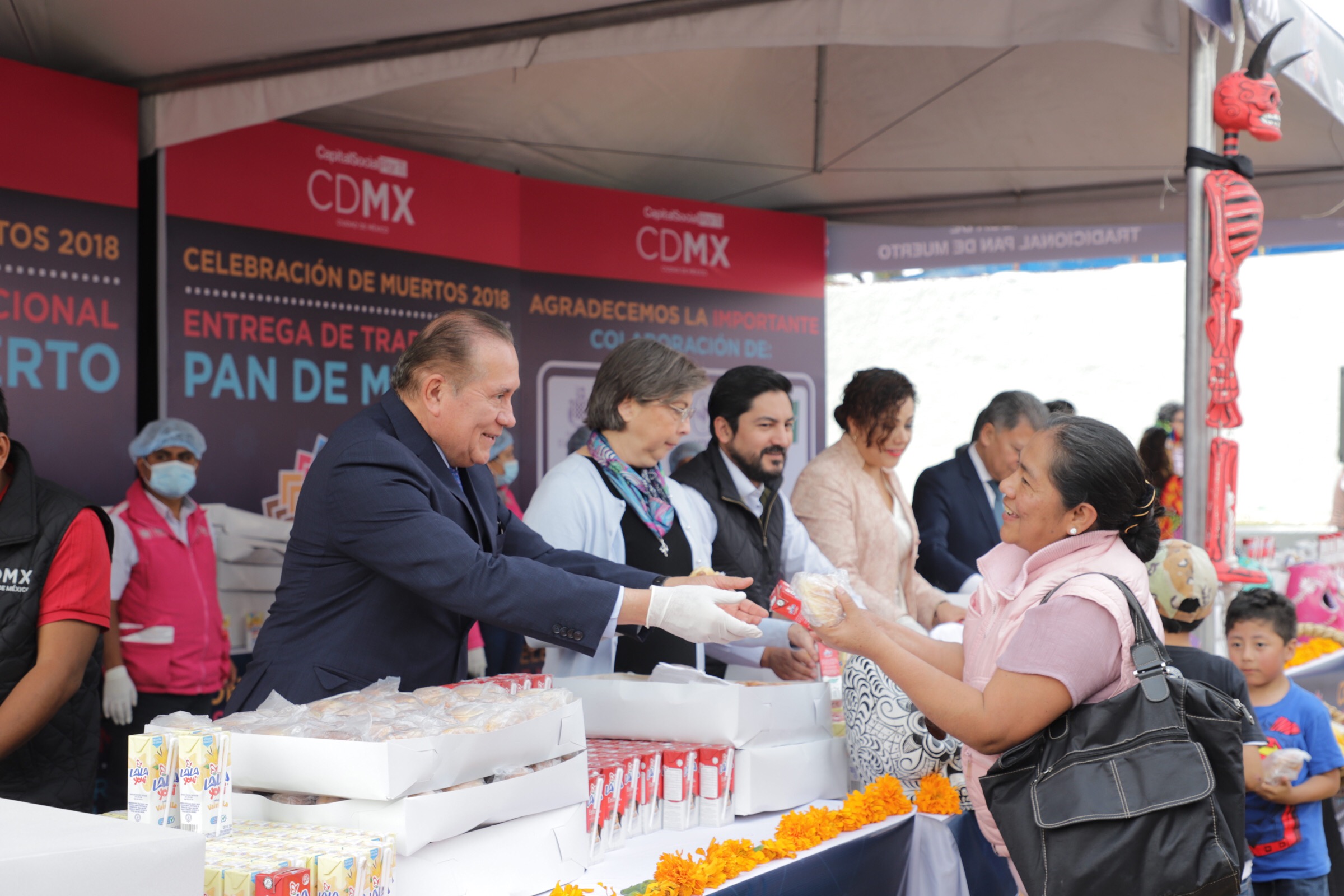
Dia de los Muertos falls on November 1 and 2, following the Catholic calendar’s All Saints’ and All Souls’ Days, and traditionally the loaf is baked fresh in the days immediately before, meant to be at its best on the table during those two days specifically rather than on Halloween the night before.
Bakeries in Mexico ramp up production through the final week of October precisely so households can buy or bake a fresh loaf timed to the actual holiday. A loaf baked and eaten purely as a Halloween treat on October 31 is enjoying the bread outside its intended occasion, which is a fine thing to do but is a different use of it than the ofrenda tradition it comes from.
Families who bake at home often make a first batch earlier in October purely to practice the shaping and the timing of the two rises, then bake the final loaf destined for the ofrenda in the last two or three days before November 1, so it is genuinely fresh when the altar is assembled. That same discipline, baking a practice loaf before the one that matters, is worth applying to any layered dough, including the six thin layers described in our piece on Appalachian stack cake.
Sugar skulls, marigolds, and the things that are not food
Cempasuchil, the Mexican marigold, is placed on and around the ofrenda in cut flowers and sometimes scattered as petals forming a path, since its strong scent and bright orange color are believed to help guide spirits back to the altar built for them. Sugar skulls, calaveras de azucar, decorated with icing and often labeled with a name, sit among the food as both an offering and a decorative marker, though they are frequently more ornamental than eaten.
Papel picado, cut tissue paper in intricate patterns, is strung above or around the ofrenda representing the fragility of life and moving gently in the air, a detail some families consider a sign the spirits have arrived. Rituals built around food and season come up again in our survey of culinary traditions from around the world. None of these elements are food, but they are as fixed a part of the arrangement as the bread and the fruit.
Copal, water, and salt: the elements on the table
Copal incense, burned in a small dish or censer, is understood to cleanse the space and carry prayers upward, and its smoke is one of the more sensory-forward elements of the whole ofrenda, filling the room with a resinous scent distinct from anything else on the table. It is lit at the point the family gathers rather than left burning continuously through the days the ofrenda is up.
Water and salt appear on nearly every ofrenda regardless of region, addressing the practical needs of a traveler: water for thirst after the journey, salt to purify the spirit for its return trip. Both are simple enough that even a very small or improvised ofrenda tends to include them even when the rest of the table is pared down.
Food left out for days, and the safety line worth knowing
An ofrenda typically stays up for the full two days of the holiday and sometimes longer, with perishable food such as tamales, mole, or fresh fruit sitting out at room temperature the entire time. Symbolically that food is understood to be consumed in essence by the visiting spirit rather than literally eaten by anyone afterward, and many families do not eat the dishes placed on the altar once the days have passed, treating the gesture itself as the point rather than the meal being reclaimed later.
From a food safety standpoint, this matters for any household planning to actually eat the offered dishes afterward rather than discarding them: cooked food left at room temperature for more than about two hours moves into a range where bacteria multiply quickly, and food that has sat out for one or two full days should not be treated as safe to eat regardless of its symbolic role. Many families solve this by setting out a small, dedicated portion for the ofrenda and keeping the rest of the same dish refrigerated for the family’s own meal, which honors the tradition without risking anyone’s health.
Frequently Asked Questions
Can pan de muerto be made without orange blossom water?
Yes, though the finished bread will lack the specific floral note that defines most traditional versions. Extra orange zest and a small amount of vanilla extract approximate some of the aromatic character without the exact same result.
Is the bread only eaten during the two-day holiday?
Bakeries in Mexico typically sell it for several weeks around the holiday, and many families eat it well beyond the two specific days, often with hot chocolate, as a seasonal treat rather than strictly a ritual food.
What does the round shape at the center of the bones represent?
Interpretations vary by region and family, with some describing it as a skull, others a heart, and others simply the center point where the bones meet. There is no single official meaning agreed on across all of Mexico.
Do all regions of Mexico make the same version of the bread?
No. Oaxaca has its own version, often shaped like a person and decorated with a painted face, while other regions add sesame seeds or different spice blends. The orange-and-anise version described here is the most widely recognized nationally and internationally.
Is it disrespectful to eat pan de muerto without observing the holiday?
Most bakers and families see selling and eating the bread as a normal part of the season rather than a restricted ritual food, similar to how a hot cross bun is eaten well beyond a single religious observance. Building an actual ofrenda is the part of the tradition that carries deeper significance.
Bake one loaf this year even without building a full ofrenda, and set it out with a photograph if there is someone worth remembering. The bread carries the gesture on its own, and the rest of the tradition can grow from there.