
Whole grains are a versatile and satisfying part of many meals, offering a range of flavors and textures that can form the basis of countless dishes. Cooking whole grains well is a simple, useful skill, yet many home cooks find their grains turning out mushy, undercooked, or bland. The good news is that cooking whole grains is largely straightforward once you understand a few basics, especially around cooking them to the right texture and seasoning them well. Understanding how to cook whole grains well helps you make them a reliable, flexible part of your cooking. This guide offers a practical, honest look at cooking whole grains, with realistic tips and flexible guidance rather than rigid rules.
Understanding how to cook whole grains well helps you get satisfying, versatile results, because knowing the basic method and how to achieve good texture lets you cook grains that are tender and flavorful rather than mushy or bland. In this guide we cover what whole grains are, the basic method for cooking them, how to get good texture, seasoning and flavoring, using whole grains in meals, storing cooked grains, and honest tips. The aim throughout is practical understanding and flexible guidance, recognizing that different grains vary and that cooking them well is largely a matter of a few basics and attention rather than precision.
What whole grains are
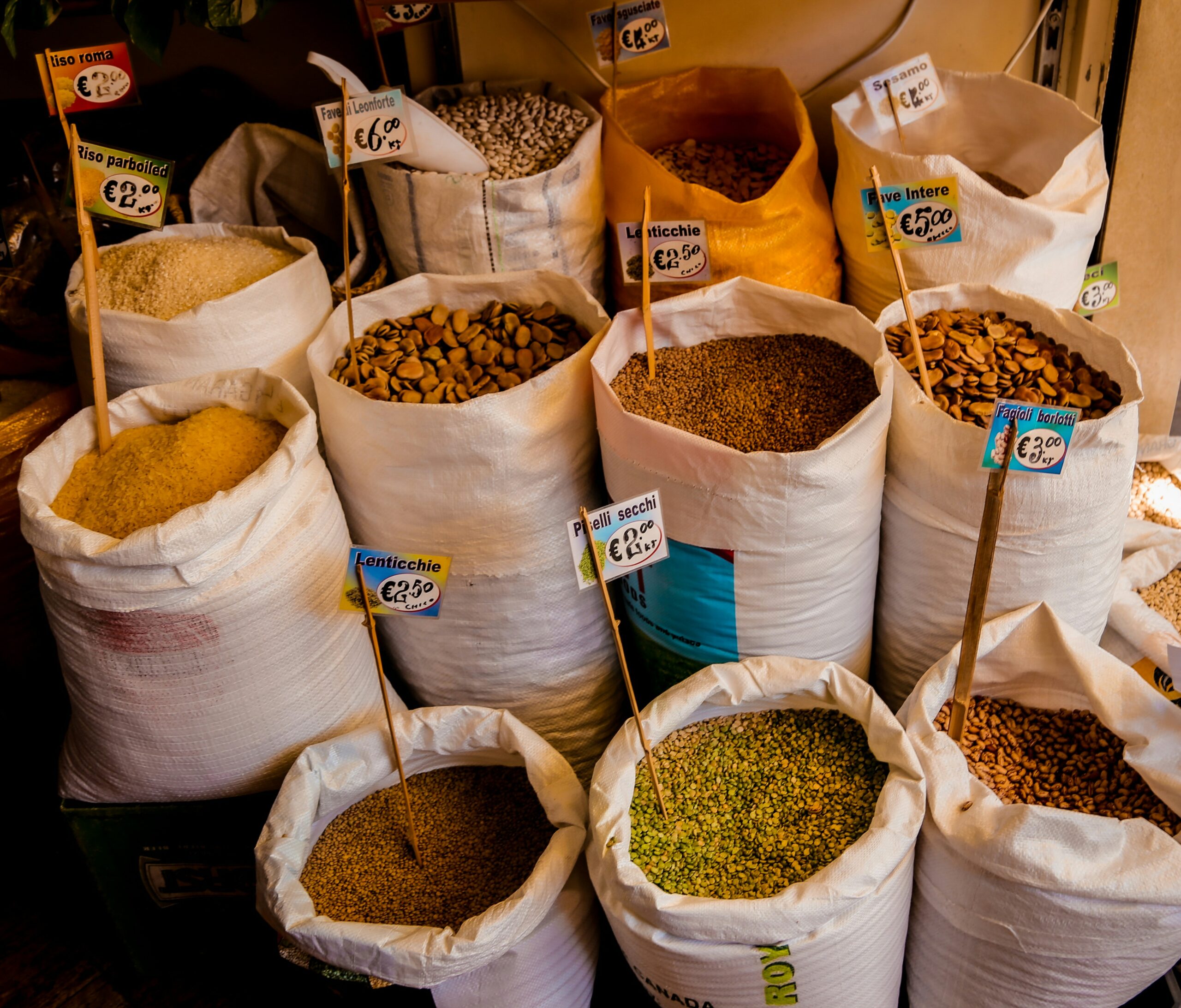
Whole grains are grains that retain more of their natural components compared with more refined grains, and they come in many varieties, each with its own flavor and texture. Whole grains are valued as a versatile and satisfying part of many meals, offering a range of options for cooking. Because there are many different whole grains, each with its own characteristics, they provide a great deal of variety and can be used in many different dishes.
The variety among whole grains is one of their appeals, as different grains offer different flavors, textures, and cooking characteristics. This means that whole grains can suit many dishes and preferences, and that exploring different grains can add variety to your cooking. Understanding that whole grains encompass many different types, each with its own qualities, helps you appreciate their versatility and choose grains suited to what you are making.
Understanding what whole grains are, and the variety they offer, provides a foundation for cooking them well. Whole grains are a versatile, satisfying category encompassing many varieties, each with its own flavor and texture. Recognizing this variety, and that different grains vary in their cooking, is the starting point for understanding how to cook whole grains well and how to use them as a flexible part of your meals.
The basic method for cooking whole grains
The basic method for cooking many whole grains involves simmering them in liquid until they are tender, then draining any excess liquid or letting it be absorbed, depending on the grain and method. Grains are typically cooked in water or another liquid, absorbing liquid and softening as they cook, until they reach a tender, pleasant texture. The specifics vary by grain, so it is worth knowing the general approach for the grains you cook.
Because different whole grains vary in their cooking times and liquid needs, it is helpful to be aware that there is no single method that applies identically to all grains. Some grains take longer to cook than others, and some absorb more liquid, so following general guidance for the specific grain you are cooking is useful. Despite these variations, the basic idea, simmering in liquid until tender, applies broadly across many whole grains.
Understanding the basic method for cooking whole grains, simmering in liquid until tender, gives you a general approach that applies to many grains, while recognizing that specifics vary. Because grains differ in their cooking, being aware of the general method and the particular needs of the grains you cook helps you get good results. Recognizing this combination of a general approach and grain-specific details is the key to cooking whole grains well.
Getting good texture
Getting good texture is central to cooking whole grains well, and it comes down largely to cooking them until they are tender without overcooking them into mushiness. Grains that are undercooked can be unpleasantly firm or hard, while overcooked grains can become mushy, so cooking them to the right point is important. Judging doneness by tasting the grains, checking for a tender but pleasant texture, is more reliable than relying only on time.
Because cooking times vary with the grain, the quantity, and your equipment, judging doneness by tasting rather than by a fixed time helps you achieve good texture. Checking the grains toward the end of cooking, and stopping when they are tender and pleasant to eat, helps you avoid both undercooking and overcooking. This attentive, taste-based approach is the most reliable way to get good texture across different grains.
Understanding how to get good texture, by cooking grains until tender without overcooking and judging by tasting, helps you cook whole grains that are satisfying rather than mushy or hard. Because texture is so important to enjoyable grains, attention to doneness is worthwhile. Recognizing that tasting is the best guide, and that grains vary in their cooking, helps you achieve the tender, pleasant texture that makes whole grains a satisfying part of a meal.
| Aspect | Common belief | Reality |
|---|---|---|
| Whole grains | All cook the same | Vary in cooking time and liquid needs |
| Cooking method | One fixed rule | Simmer until tender; specifics vary by grain |
| Texture | Judged by time | Judged by tasting for tender, pleasant texture |
| Plain grains | Naturally flavorful | Need seasoning to avoid tasting bland |
| Cooked grains | Use immediately | Store and use across several meals |
Seasoning and flavoring whole grains
Seasoning is important for making whole grains flavorful, since plainly cooked grains can taste bland without it. Cooking grains in a flavorful liquid, such as a broth, can add flavor, and seasoning the grains with salt and other seasonings helps bring out their taste. Grains can also be flavored after cooking, with seasonings, herbs, or other additions, giving you flexibility in how you make them flavorful.
Because whole grains are versatile, there are many ways to flavor them, from cooking them in a flavorful liquid to tossing them with seasonings, herbs, or other ingredients after cooking. This flexibility lets you tailor grains to your taste and to the dish, whether you want them simply seasoned or more elaborately flavored. Tasting and adjusting the seasoning helps you get flavor you enjoy from your grains.
Understanding the importance of seasoning and the many ways to flavor whole grains helps you make them flavorful rather than bland. Because grains take well to seasoning and can be flavored in many ways, thoughtful seasoning makes a real difference to their appeal. Recognizing that you can flavor grains during or after cooking, and seasoning to taste, helps you make whole grains that are satisfying and flavorful, suited to your taste and your meals.
Using whole grains in meals
Whole grains are versatile and can be used in a wide range of meals, from side dishes to components of larger dishes and beyond. Their variety of flavors and textures means they can suit many dishes, and they can serve as a satisfying base or component in countless meals. This versatility is one of the best reasons to cook whole grains, as they adapt to many uses and add substance and variety to your cooking.
Cooking a larger batch of whole grains and using them across several meals is a practical approach, since grains keep reasonably well when stored properly and can be used in different ways. Having cooked grains on hand makes many meals easier to prepare, and their adaptability means you can use them in a variety of dishes. This makes whole grains a practical and flexible ingredient for everyday cooking.
Understanding the many ways to use whole grains in meals helps you appreciate their versatility and make the most of them. Because grains can be used in so many dishes, and keep reasonably well, cooking them is both practical and rewarding. Recognizing the flexibility of whole grains, as a base, a component, or a side, helps you incorporate them into your cooking in ways that add substance, variety, and satisfaction to your meals.
Storing cooked whole grains
Storing cooked whole grains properly lets you use them across several meals and get the most from your cooking. To store cooked grains, cool them promptly and keep them in the refrigerator in a covered container, using them within a few days, or freeze them for longer storage. As with any cooked food, cooling and storing them promptly, and reheating them thoroughly when you use them, is important for food safety.
Because cooked grains keep reasonably well when stored properly, making a larger batch to use across meals is efficient and practical. Storing grains lets you have them ready for quick use in various dishes, making meal preparation easier. Following general food safety practices for cooling, storing, and reheating cooked grains helps ensure they remain safe as well as convenient to use.
Understanding how to store cooked whole grains well helps you make the most of the time spent cooking them. Because grains store reasonably well and are so versatile, having a batch on hand is a practical way to make meals easier. Recognizing how to store and reheat grains safely, following general food safety practices, helps you turn a simple cooking task into a convenient, flexible ingredient for many meals.
Honest tips for cooking whole grains
A few honest tips can help you cook whole grains well. First, be aware that different grains vary in their cooking times and liquid needs, so follow general guidance for the specific grain you are cooking. Second, judge doneness by tasting for a tender, pleasant texture rather than relying only on time, since grains vary. Third, season the grains well, whether during or after cooking, to make them flavorful.
It also helps to keep realistic expectations and to treat cooking grains as a flexible, forgiving task. Because grains vary, some experimentation may help you get to know the grains you cook, and there is no need to aim for perfection. This article offers general cooking guidance; for specific dietary or nutritional questions about whole grains, reliable, individual guidance is the appropriate source, as this is not dietary advice.
Finally, remember that cooking whole grains is a simple, useful skill once you understand a few basics. There is no need for complexity; simmer the grains until tender, judge by tasting, and season well. Approaching whole grains with these honest, flexible principles helps you make them a reliable, versatile, and satisfying part of your cooking, adding variety and substance to your meals with a simple, adaptable ingredient.
Enjoying versatile whole grains
Whole grains are a versatile and satisfying part of many meals, offering a range of flavors and textures. Understanding what whole grains are, the basic method for cooking them, how to get good texture, and how to season them, gives you the ability to cook them well, recognizing that different grains vary and that good results come from a few basics and attention rather than precision.
Approaching whole grains with this practical understanding lets you make them a reliable, flexible part of your cooking. Recognizing that the keys are cooking grains until tender, judging by tasting, and seasoning well, helps you avoid the common problems of mushy or bland grains. Treating whole grains as a versatile, forgiving ingredient, adaptable to many dishes, makes them easy to incorporate into your meals.
In the end, cooking whole grains well is a simple, useful skill that yields versatile, satisfying results. By understanding the basics and paying attention to texture and seasoning, you can make whole grains a dependable part of your cooking. Approaching them with these honest, flexible principles is one of the best ways to enjoy the variety, substance, and satisfaction that whole grains bring to your meals.
Frequently asked questions
What are whole grains?
Whole grains are grains that retain more of their natural components compared with more refined grains, and they come in many varieties, each with its own flavor and texture. They are a versatile, satisfying part of many meals, offering variety for cooking.
How do I cook whole grains?
The basic method for many grains is to simmer them in liquid until tender, then drain excess liquid or let it be absorbed, depending on the grain. Because grains vary in cooking time and liquid needs, follow general guidance for the specific grain you are cooking.
How do I get good texture?
Cook the grains until tender without overcooking them into mushiness, and judge doneness by tasting rather than relying only on time. Check toward the end and stop when the grains are tender and pleasant to eat, since cooking times vary with the grain and equipment.
How should I season whole grains?
Cook them in a flavorful liquid such as broth, and season with salt and other seasonings, or flavor them after cooking with seasonings, herbs, or other additions. Plainly cooked grains can taste bland, so seasoning well makes a real difference to their appeal.
How can I use whole grains in meals?
In many ways, from side dishes to components of larger dishes. Their variety of flavors and textures suits many uses, and cooking a larger batch to use across meals is practical, since grains keep reasonably well and adapt to a range of dishes.
How do I store cooked whole grains?
Cool them promptly and keep them in the refrigerator in a covered container for a few days, or freeze them for longer storage. Making a larger batch to store is practical, and reheat them thoroughly when you use them, following general food safety practices.
Conclusion
Whole grains are a versatile and satisfying part of many meals, offering a range of flavors and textures. Understanding what whole grains are, the basic method for cooking them, how to get good texture, and how to season them, gives you the ability to cook them well, recognizing that different grains vary and that good results come from a few basics and attention.
Approaching whole grains with this practical understanding lets you make them a reliable, flexible part of your cooking. Recognizing that the keys are cooking grains until tender, judging by tasting, and seasoning well, helps you avoid the common problems of mushy or bland grains, treating whole grains as a versatile, forgiving ingredient adaptable to many dishes.
In the end, cooking whole grains well is a simple, useful skill that yields versatile, satisfying results. By understanding the basics and paying attention to texture and seasoning, you can make whole grains a dependable part of your cooking, making these honest, flexible principles one of the best ways to enjoy the variety and substance they bring to your meals.