Aromatics are among the most important tools for building flavor in cooking, forming the flavorful base of countless dishes across many cuisines. Ingredients such as onions, garlic, and other aromatics, cooked gently at the start of a dish, create a foundation of flavor that supports and enhances everything that follows. Understanding how to build flavor with aromatics is one of the most valuable skills a home cook can develop, since it applies to so many dishes. Yet many cooks use aromatics without fully appreciating their role. This guide offers a practical, honest look at building flavor with aromatics, with realistic tips for deeper, more satisfying flavor.
Understanding how to build flavor with aromatics helps you create deeper, more satisfying flavor in your cooking, because knowing what aromatics are and how to cook them lets you build a flavorful base rather than relying only on seasoning at the end. In this guide we cover what aromatics are, how they build flavor, cooking aromatics well, the flavorful base they create, using aromatics across dishes, and honest tips. The aim throughout is practical understanding and flexible guidance, recognizing that building flavor with aromatics is a simple, versatile technique that supports countless dishes and rewards a little attention to how the aromatics are cooked.
What aromatics are
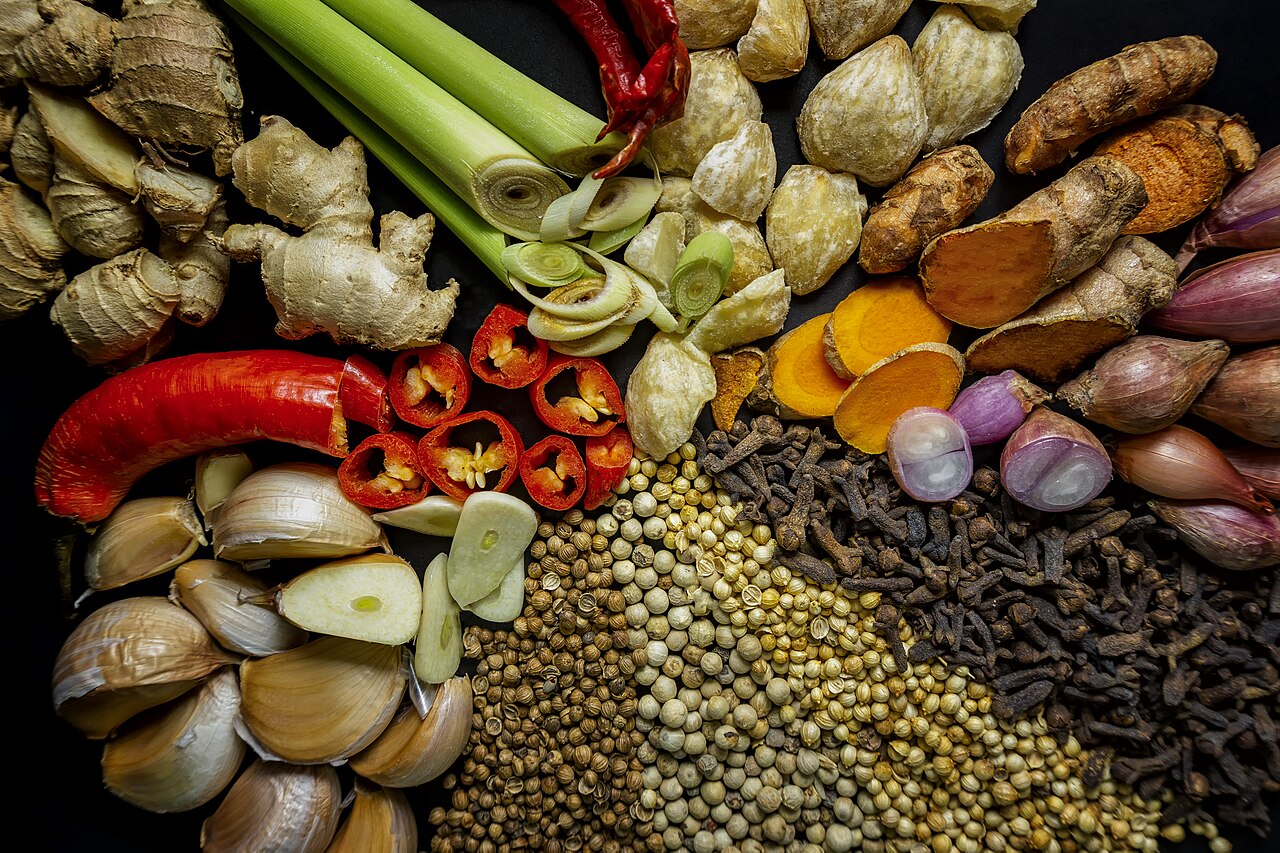
Aromatics are ingredients used to build flavor in cooking, typically added early in a dish to create a flavorful foundation. Common aromatics include onions, garlic, and other flavorful ingredients that, when cooked, release and develop their flavors and form the base of many dishes. Aromatics are used in cuisines all over the world as a way of building flavor, and they are one of the most fundamental tools for creating depth and character in cooking.
The role of aromatics is to provide a foundation of flavor that supports and enhances the other ingredients in a dish. Rather than being the main focus of a dish, aromatics usually work in the background, building a base of flavor upon which the rest of the dish is built. Understanding aromatics as flavor-building ingredients that create a foundation helps clarify their role and why they are so important in cooking.
Understanding what aromatics are provides the foundation for using them to build flavor. Aromatics are flavor-building ingredients, such as onions and garlic, typically cooked early in a dish to create a flavorful base. Recognizing their role as a foundation of flavor is the starting point for understanding how to cook them well and how to use them to build depth and character in your cooking.
How aromatics build flavor
Aromatics build flavor by releasing and developing their flavors when cooked, creating a foundation that enhances the whole dish. When aromatics are cooked, often gently at the start of a dish, their flavors are released and develop, forming a flavorful base into which the other ingredients are added. This base of flavor supports and enhances the rest of the dish, giving it depth and character that it would lack without the aromatics.
The way aromatics build flavor makes them a foundation for the dish as a whole. As the other ingredients are added and cooked, they build upon the flavorful base created by the aromatics, resulting in a dish with more depth and complexity. This is why cooking aromatics well at the start is so valuable: it establishes a foundation of flavor that carries through the entire dish, enhancing everything that follows.
Understanding how aromatics build flavor helps you appreciate their importance and use them effectively. Because aromatics create a flavorful base that enhances the whole dish, cooking them well at the start of a dish contributes greatly to the final result. Recognizing that aromatics work by building a foundation of flavor helps you see why they are so widely used and how to use them to add depth to your cooking.
Cooking aromatics well
Cooking aromatics well is key to building good flavor, and it generally involves cooking them gently to release and develop their flavors without burning them. Aromatics are often cooked over gentle to moderate heat, allowing their flavors to develop gradually, and cooking them until they have softened and become flavorful helps build a good base. Burning aromatics, on the other hand, can create bitter or harsh flavors, so gentle cooking and attention are important.
The way you cook aromatics affects the flavor they contribute, so attending to them is worthwhile. Cooking aromatics gently until they are softened and flavorful, without letting them burn, helps them release their flavors and build a good foundation. Stirring them as needed and keeping the heat gentle enough to avoid burning helps you cook aromatics well, contributing to the depth of flavor in the finished dish.
Understanding how to cook aromatics well, gently and without burning them, helps you build a good flavor base. Because the way aromatics are cooked affects the flavor they contribute, cooking them with a little care makes a real difference. Recognizing that gentle cooking, until the aromatics are softened and flavorful, is the key to building good flavor helps you use aromatics effectively to add depth to your cooking.
| Aspect | Common belief | Reality |
|---|---|---|
| Aromatics | Minor ingredients | A flavorful foundation for many dishes |
| Their role | Just added flavor | A base that supports the whole dish |
| Cooking them | Any way works | Gently, without burning, until flavorful |
| Burnt aromatics | No effect | Can create harsh, bitter flavors |
| The technique | Limited use | Applies across a huge range of dishes |
The flavorful base they create
The flavorful base that aromatics create is the foundation of many dishes, providing depth and character that support the other ingredients. This base, built by cooking aromatics well at the start, carries through the dish, enhancing the flavors of everything added afterward. A well-made aromatic base is often the difference between a dish with depth and complexity and one that tastes flat, which is why building it is so valuable.
Because the aromatic base supports the whole dish, taking a little care to build it well pays off in the final result. The base created by aromatics is not usually a prominent flavor in itself but works in the background, giving the dish a foundation of savory depth. Understanding the role of this base helps you appreciate why cooking aromatics well at the start is worth the small effort it requires.
Understanding the flavorful base that aromatics create helps you build depth into your cooking. Because this base supports and enhances the whole dish, building it well is one of the most effective ways to improve the flavor of what you cook. Recognizing that a well-made aromatic base gives a dish depth and character helps you see the value of cooking aromatics well and using them to build a foundation of flavor.
Using aromatics across dishes
One of the great strengths of building flavor with aromatics is that the technique applies across a huge range of dishes and cuisines. Because so many dishes begin with a flavorful base of aromatics, understanding how to build this base is a skill that improves much of your cooking. From soups and stews to sauces, braises, and many other dishes, aromatics provide a foundation of flavor, making the technique widely applicable.
The specific aromatics used can vary with the dish and the cuisine, and different combinations of aromatics create different flavor foundations. This flexibility means you can tailor the aromatic base to the dish you are making, using aromatics suited to the flavors you want. Understanding that aromatics are used across many dishes, with variations in the specific ingredients, helps you apply the technique flexibly in your cooking.
Understanding how to use aromatics across dishes highlights the broad value of the technique. Because building a flavorful base with aromatics applies to so many dishes, mastering this simple skill improves a great deal of your cooking. Recognizing that aromatics provide a foundation of flavor across countless dishes, with flexibility in the specific ingredients, helps you use them to add depth throughout your cooking.
Aromatics and other flavor builders
Aromatics work alongside other flavor-building techniques and ingredients to create depth in a dish. Building a flavorful base with aromatics is one important way to develop flavor, and it complements other techniques such as browning, seasoning, and the use of other flavorful ingredients. Together, these techniques and ingredients create the depth and complexity that make a dish satisfying, with aromatics providing a foundational role.
Understanding how aromatics fit alongside other flavor builders helps you develop flavor more effectively. Just as aromatics build a base of flavor, other techniques such as browning ingredients and seasoning well contribute additional depth and dimension. Using these techniques together, with aromatics as a foundation, helps you build layered, satisfying flavor in your cooking, rather than relying on any single technique alone.
Understanding aromatics in the context of other flavor builders helps you appreciate their foundational role and use them alongside other techniques. Because building flavor is often about combining several techniques, using aromatics as a base along with browning, seasoning, and other methods helps you create depth. Recognizing how aromatics work with other flavor builders helps you develop rich, satisfying flavor in your dishes.
Honest tips for building flavor with aromatics
A few honest tips can help you build flavor with aromatics effectively. First, cook aromatics gently to release and develop their flavors without burning them, since burnt aromatics can create harsh flavors. Second, cook them until they are softened and flavorful to build a good base. Third, recognize that the aromatic base supports the whole dish, so taking a little care to build it well pays off.
It also helps to experiment and to adapt the aromatics to the dish and the flavors you want, since different combinations create different foundations. There is a great deal of flexibility in which aromatics to use, so trying different combinations can help you find what you like. Rather than following rigid rules, treat building an aromatic base as a flexible, versatile technique you adapt to your cooking.
Finally, remember that building flavor with aromatics is a simple, powerful technique that improves much of your cooking. There is no need for complexity; cooking aromatics gently until flavorful, to build a base, is enough to add real depth. Approaching aromatics with these honest, flexible principles, and a little attention to how you cook them, is the surest way to build deeper, more satisfying flavor across your cooking.
Building deeper flavor in your cooking
Aromatics are among the most important tools for building flavor, forming the flavorful base of countless dishes. Understanding what aromatics are, how they build flavor, how to cook them well, and the flavorful base they create, gives you a valuable, versatile technique for adding depth to your cooking, recognizing that building flavor with aromatics is simple and applies to a huge range of dishes.
Approaching aromatics with this practical understanding, cooking them gently until flavorful to build a base, lets you create deeper, more satisfying flavor. Recognizing that the aromatic base supports the whole dish, and that the technique applies across many dishes, helps you use aromatics to improve much of your cooking. A little care in how you cook aromatics makes a real difference.
In the end, building flavor with aromatics is a simple, powerful, and widely applicable technique that rewards a little attention with deeper flavor. By understanding how aromatics work and cooking them well, you can build a foundation of flavor that enhances countless dishes. Approaching aromatics with these honest, flexible principles is one of the best ways to develop richer, more satisfying flavor throughout your cooking.
Frequently asked questions
What are aromatics?
Aromatics are flavor-building ingredients, such as onions and garlic, typically added early in a dish to create a flavorful foundation. When cooked, they release and develop their flavors, forming the base of many dishes across cuisines around the world.
How do aromatics build flavor?
By releasing and developing their flavors when cooked, usually gently at the start of a dish, forming a flavorful base. The other ingredients then build upon this base, resulting in a dish with more depth and character than it would have without the aromatics.
How should I cook aromatics?
Generally gently, over gentle to moderate heat, to release and develop their flavors without burning them, cooking until they are softened and flavorful. Burning aromatics can create bitter or harsh flavors, so gentle cooking and attention are important for a good base.
Why is the aromatic base important?
Because it provides a foundation of flavor that supports and enhances the whole dish, carrying through and improving the flavors of everything added afterward. A well-made aromatic base is often the difference between a dish with depth and one that tastes flat.
Can I use aromatics in any dish?
The technique applies across a huge range of dishes and cuisines, from soups and stews to sauces and braises. The specific aromatics can vary with the dish, and different combinations create different foundations, so you can adapt the base to what you are making.
Do aromatics work with other flavor techniques?
Yes. Building a flavorful base with aromatics complements other techniques such as browning, seasoning, and using other flavorful ingredients. Using these together, with aromatics as a foundation, helps you build layered, satisfying flavor in your cooking.
Conclusion
Aromatics are among the most important tools for building flavor, forming the flavorful base of countless dishes. Understanding what aromatics are, how they build flavor, how to cook them well, and the flavorful base they create, gives you a valuable, versatile technique for adding depth to your cooking.
Approaching aromatics with this practical understanding, cooking them gently until flavorful to build a base, lets you create deeper, more satisfying flavor. Recognizing that the aromatic base supports the whole dish, and that the technique applies across many dishes, helps you use aromatics to improve much of your cooking.
In the end, building flavor with aromatics is a simple, powerful, and widely applicable technique that rewards a little attention with deeper flavor. By understanding how aromatics work and cooking them well, you can build a foundation of flavor that enhances countless dishes, making it one of the best ways to develop richer, more satisfying flavor throughout your cooking.