Sautéing is one of the most useful and widely used cooking techniques, a quick method in which food is cooked in a pan over relatively high heat with a little fat, while being moved or tossed. Used in cuisines all over the world, sautéing is fast, versatile, and well suited to many ingredients, producing flavorful, well-cooked results in a short time. Yet some cooks are unsure of the technique or find their food steaming rather than cooking properly. Understanding the basics of sautéing, and a few key principles, helps you use this handy technique well. This guide offers a practical, honest look at sautéing, with realistic tips for good results.
Understanding the basics of sautéing helps you cook food quickly and flavorfully, because knowing how the technique works and key principles such as adequate heat and not crowding the pan lets you achieve good browning and cooking rather than steaming. In this guide we cover what sautéing is, the importance of heat, why not to crowd the pan, preparing ingredients, building flavor, and honest tips. The aim throughout is practical understanding and realistic guidance, recognizing that sautéing is a quick, versatile technique that rewards a few key principles, adequate heat, an uncrowded pan, and attention, with flavorful, well-cooked results.
What sautéing is
Sautéing is a technique in which food is cooked in a pan over relatively high heat with a small amount of fat, while being moved or tossed so it cooks quickly and evenly. It is a fast method that cooks food in a short time, and it is well suited to ingredients cut into pieces that can cook quickly. The combination of relatively high heat, a little fat, and movement is what defines sautéing and gives it its characteristic quick, flavorful results.
Sautéing is used across many cuisines and is valued for its speed and versatility. Because it cooks food quickly over high heat, sautéing can produce flavorful, well-cooked results in a short time, making it a practical technique for many dishes. Understanding sautéing as a quick, high-heat pan technique, with the food kept moving, helps clarify how it works and why it is so widely used.
Understanding what sautéing is provides the foundation for using the technique well. Sautéing is cooking food in a pan over relatively high heat with a little fat, while moving it, so it cooks quickly and evenly. Recognizing this basic method, quick, high-heat cooking with movement, is the starting point for understanding the key principles, such as adequate heat and not crowding the pan, that help you sauté food well.
The importance of heat
Adequate heat is central to sautéing well, since the technique relies on relatively high heat to cook food quickly and develop flavor. If the heat is too low, the food may cook slowly and release moisture, steaming rather than cooking properly or browning. Using relatively high heat, and preheating the pan and fat, helps the food cook quickly and, where appropriate, brown, which is essential for good sautéing.
The role of heat in sautéing means that having the pan hot enough before adding the food is important. A pan that is not hot enough is a common reason food steams rather than sautés. At the same time, the heat should not be so high that the food burns, so the aim is a relatively high heat that cooks the food quickly without burning it, which may require some adjustment as you cook.
Understanding the importance of heat helps you avoid the common problem of food steaming rather than cooking properly. Because sautéing relies on adequate heat, using relatively high heat and preheating the pan are key. Recognizing that adequate heat is essential, while avoiding heat so high that food burns, helps you sauté food that is well cooked and, where appropriate, flavorfully browned.
Do not crowd the pan
As with other high-heat cooking, not crowding the pan is important when sautéing. When too much food is placed in the pan at once, the temperature can drop and the food may release moisture that cannot escape, causing it to steam rather than sauté. Giving the food room in the pan, and cooking in batches if needed, helps maintain the heat and allows the food to cook quickly and properly rather than steaming.
Crowding the pan is one of the most common reasons sautéing does not go well, resulting in food that steams and turns soft rather than cooking quickly. Sautéing a smaller amount at a time, with space in the pan, or using a pan large enough for the amount, helps maintain the high heat and quick cooking. This simple step, giving the food room, makes a noticeable difference to the result.
Understanding the importance of not crowding the pan is a key lesson in sautéing well. Because crowding lowers the heat and traps moisture, giving the food room is essential for quick, proper cooking. Recognizing that sautéing in batches or using a large enough pan helps maintain the heat is one of the simplest ways to improve your results and achieve the quick, flavorful cooking that sautéing provides.
| Aspect | Common belief | Reality |
|---|---|---|
| Sautéing | Complicated | A quick, simple high-heat pan technique |
| Heat | Low is fine | Adequate, relatively high heat is essential |
| Crowding the pan | Fine | Causes steaming instead of proper cooking |
| Preparation | Do it as you go | Prepare ingredients first, since it is quick |
| The food | Leave it still | Keep it moving for even cooking |
Preparing ingredients for sautéing
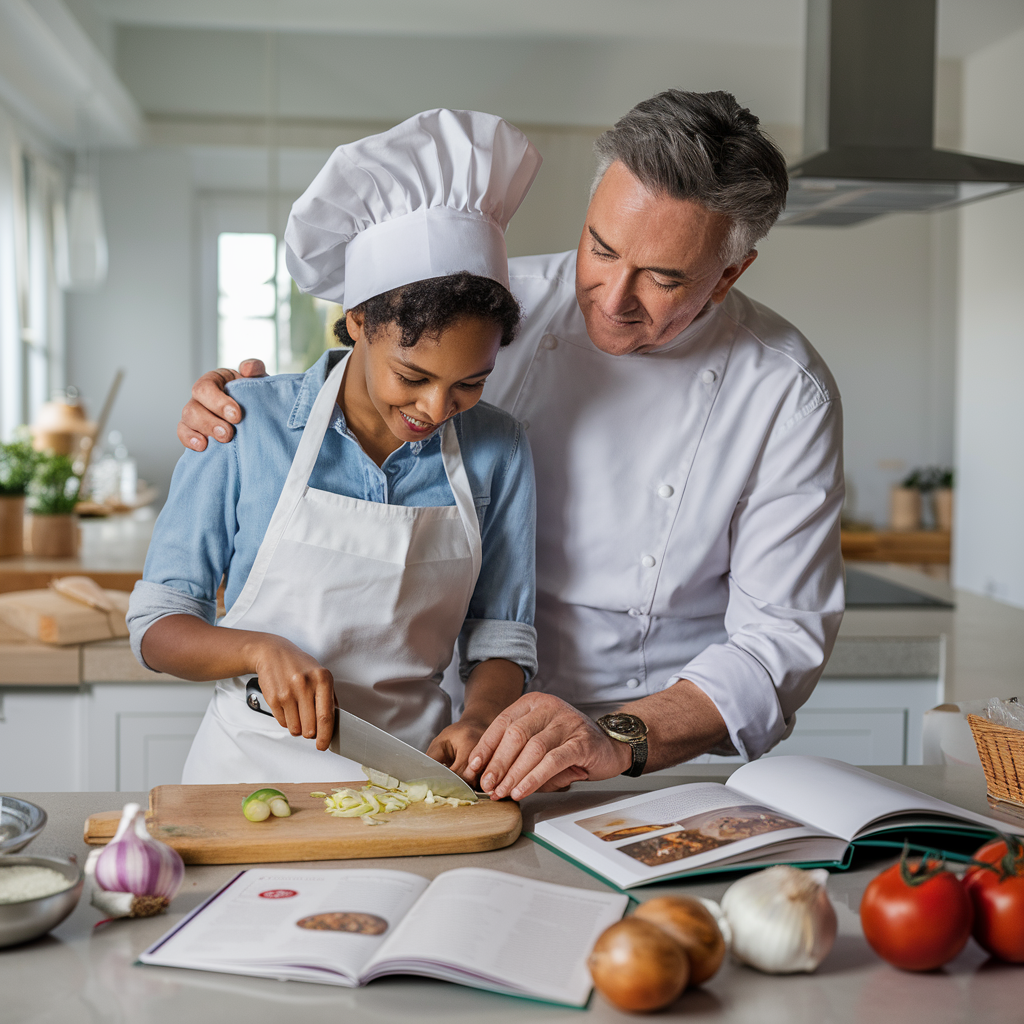
Good preparation helps you sauté successfully, because sautéing is quick and leaves little time to prepare ingredients once cooking begins. Before you start, it helps to have the ingredients cut and ready, since the food cooks fast. Cutting ingredients into relatively small, even pieces helps them cook quickly and evenly, which is important given the fast cooking of the technique.
Because sautéing cooks food quickly, cutting ingredients to a suitable size for quick cooking is important, and having everything ready before you begin makes the cooking smoother. Different ingredients may cook at different rates, so, as with stir-frying, the order in which you add them can matter. Preparing and organizing ingredients in advance, with the quick cooking in mind, sets you up for good sautéing.
Understanding how to prepare ingredients for sautéing, cutting them to a suitable size and having them ready, helps you cook them well. Because the technique is fast, good preparation is especially valuable. Recognizing that cutting ingredients appropriately and preparing them in advance supports quick, even cooking helps you sauté food successfully, avoiding the problem of scrambling to prepare ingredients while others overcook.
Building flavor when sautéing
Sautéing offers good opportunities to build flavor, from the browning that can develop to the use of aromatics and seasonings. When food sautés properly over adequate heat, it can develop flavorful browning, adding depth. Aromatics can be added to build a flavorful base, and seasoning the food helps bring out its taste. These elements together help you build good flavor when sautéing.
Because sautéing is quick, it helps to have your seasonings and aromatics ready, and to add them at appropriate points, such as adding aromatics to flavor the fat and seasoning the food as it cooks or after. Tasting and adjusting the seasoning, as with most cooking, is the most reliable way to get flavor you enjoy. The flexibility of sautéing means you can flavor food in many ways.
Understanding how to build flavor when sautéing helps you make food that is flavorful as well as well cooked. By cooking over adequate heat to allow browning, using aromatics, and seasoning to taste, you can develop good flavor. Recognizing the opportunities to build flavor when sautéing, and seasoning to your preference, helps you make quick, flavorful dishes with this versatile technique.
Common pitfalls to avoid
A few common pitfalls can lead to disappointing sautéing, and knowing them helps you avoid them. Using heat that is too low, so the food steams rather than cooks properly, is a common issue; using adequate heat and preheating the pan helps. Overcrowding the pan, which also causes steaming, is another; giving the food room or cooking in batches helps. Not having ingredients prepared in advance can lead to some overcooking while you prepare others.
Another pitfall is not keeping the food moving enough or not cutting ingredients to a suitable size, which can lead to uneven cooking. Keeping the food moving, cutting ingredients appropriately, and accounting for different cooking rates help you sauté food evenly. Being aware of these pitfalls, and taking simple steps to avoid them, reliably improves your sautéing.
Most sautéing pitfalls come down to a few basics: use adequate heat, do not crowd the pan, prepare ingredients in advance, and keep the food moving. Avoiding these common mistakes is straightforward once you are aware of them, and doing so improves your results. Understanding these pitfalls, rather than aiming for one perfect result, helps you sauté food well while keeping the process quick and flexible.
Honest tips for sautéing
A few honest tips can help you sauté well. First, use adequate, relatively high heat and preheat the pan, since sautéing relies on good heat. Second, do not crowd the pan; sauté in batches if needed to maintain the heat and avoid steaming. Third, prepare ingredients in advance and cut them to a suitable size, since the technique is quick. These key principles are the foundation of good sautéing.
It also helps to keep the food moving for even cooking, to build flavor with aromatics and seasoning, and to keep realistic expectations. Because sautéing is quick, attention throughout is important, but the technique is not complicated once you understand the basics. Focusing on the key principles helps you sauté food reliably and flavorfully.
Finally, remember that sautéing is a quick, versatile technique that produces flavorful, well-cooked results with a few key principles. There is no need for complexity; adequate heat, an uncrowded pan, prepared ingredients, and attention are enough for good sautéing. Approaching sautéing with these honest principles is the surest way to cook food quickly and flavorfully with this handy, widely used technique.
Cooking quickly and flavorfully
Sautéing is one of the most useful and widely used cooking techniques, a quick method for cooking food in a pan over relatively high heat with a little fat while keeping it moving. Understanding what sautéing is, the importance of heat, why not to crowd the pan, and how to prepare ingredients, gives you the ability to sauté food well, recognizing that a few key principles produce flavorful, well-cooked results.
Approaching sautéing with this practical understanding lets you cook food quickly and flavorfully. Recognizing that the keys are adequate heat, an uncrowded pan, prepared ingredients, and attention, helps you avoid the common problem of food steaming and achieve good cooking and, where appropriate, browning. These simple principles are all you need to sauté food successfully.
In the end, sautéing is a quick, versatile, and rewarding technique that rewards a few key principles with flavorful, well-cooked results. By understanding how sautéing works and applying the basics, you can cook a wide range of foods quickly and well. Approaching sautéing with these honest principles is one of the best ways to add a fast, flexible, and flavorful technique to your everyday cooking.
Frequently asked questions
What is sautéing?
Sautéing is cooking food in a pan over relatively high heat with a small amount of fat, while moving or tossing it so it cooks quickly and evenly. It is a fast, versatile technique well suited to ingredients cut into pieces that cook quickly.
Why is heat important for sautéing?
Because the technique relies on relatively high heat to cook food quickly and, where appropriate, brown it. If the heat is too low, the food may steam rather than cook properly. Using relatively high heat and preheating the pan help the food cook quickly and well.
Why shouldn’t I crowd the pan?
Crowding can drop the temperature and trap moisture, causing food to steam rather than sauté. Giving the food room, and cooking in batches if needed, helps maintain the heat and allows the food to cook quickly and properly rather than turning soft and steamed.
How should I prepare ingredients for sautéing?
Cut them into relatively small, even pieces so they cook quickly and evenly, and have everything ready before you start, since sautéing is quick. Accounting for different cooking rates, and preparing ingredients in advance, helps the cooking go smoothly.
How do I build flavor when sautéing?
By cooking over adequate heat to allow browning, using aromatics to build a flavorful base, and seasoning the food to taste. Having seasonings and aromatics ready, and adding them at appropriate points, helps, since sautéing is quick.
What are common sautéing mistakes?
Using heat that is too low, crowding the pan (both cause steaming), not preparing ingredients in advance, and not keeping the food moving. Avoiding these by using adequate heat, an uncrowded pan, prepared ingredients, and movement reliably improves your results.
Conclusion
Sautéing is one of the most useful and widely used cooking techniques, a quick method for cooking food in a pan over relatively high heat with a little fat while keeping it moving. Understanding what sautéing is, the importance of heat, why not to crowd the pan, and how to prepare ingredients, gives you the ability to sauté food well.
Approaching sautéing with this practical understanding lets you cook food quickly and flavorfully. Recognizing that the keys are adequate heat, an uncrowded pan, prepared ingredients, and attention, helps you avoid the common problem of food steaming and achieve good cooking and, where appropriate, browning.
In the end, sautéing is a quick, versatile, and rewarding technique that rewards a few key principles with flavorful, well-cooked results. By understanding how sautéing works and applying the basics, you can cook a wide range of foods quickly and well, making it one of the best ways to add a fast, flexible technique to your everyday cooking.