There is a stretch of road between southern Virginia and coastal Georgia where you can eat the same dish twice and be told, at both ends, that the other version is not the real thing. One bowl is thick with chicken and tastes of black pepper and butter beans. The other is thinner, sweeter, sharper with vinegar, and comes on the side of a barbecue plate.
Both are called brunswick stew. Both have a county behind them with a name to defend. Neither has a document that closes the case, and the arguing is now old enough that it is part of the dish.
What interests me is not who won. It is that the disagreement is entirely about the meat and the seasoning, and the vegetables are the same in both pots. Once you see that, the two versions stop being rivals and start being two settings on the same machine.
- The constants: corn, butter beans, tomato, potato, and a long slow cook
- The Virginia setting: chicken, black pepper, thick, no barbecue sauce
- The Georgia setting: pork and beef, vinegar and sweetness, looser, served alongside barbecue
- Time: all day over wood traditionally, five hours on a home stove
- Doneness test: the paddle stands up on its own, or close to it
- The safety point: a deep pot of thick stew cools slowly, and that is the part to plan for
Two claims, one name, and no document that settles either
Brunswick County, Virginia dates its version to the late 1820s, to a hunting camp on the Nottoway River where a cook is said to have simmered squirrel with onions and stale bread while the party was out. The story arrives fully formed, with a year attached, and it is repeated in the county the way a founding date usually is.
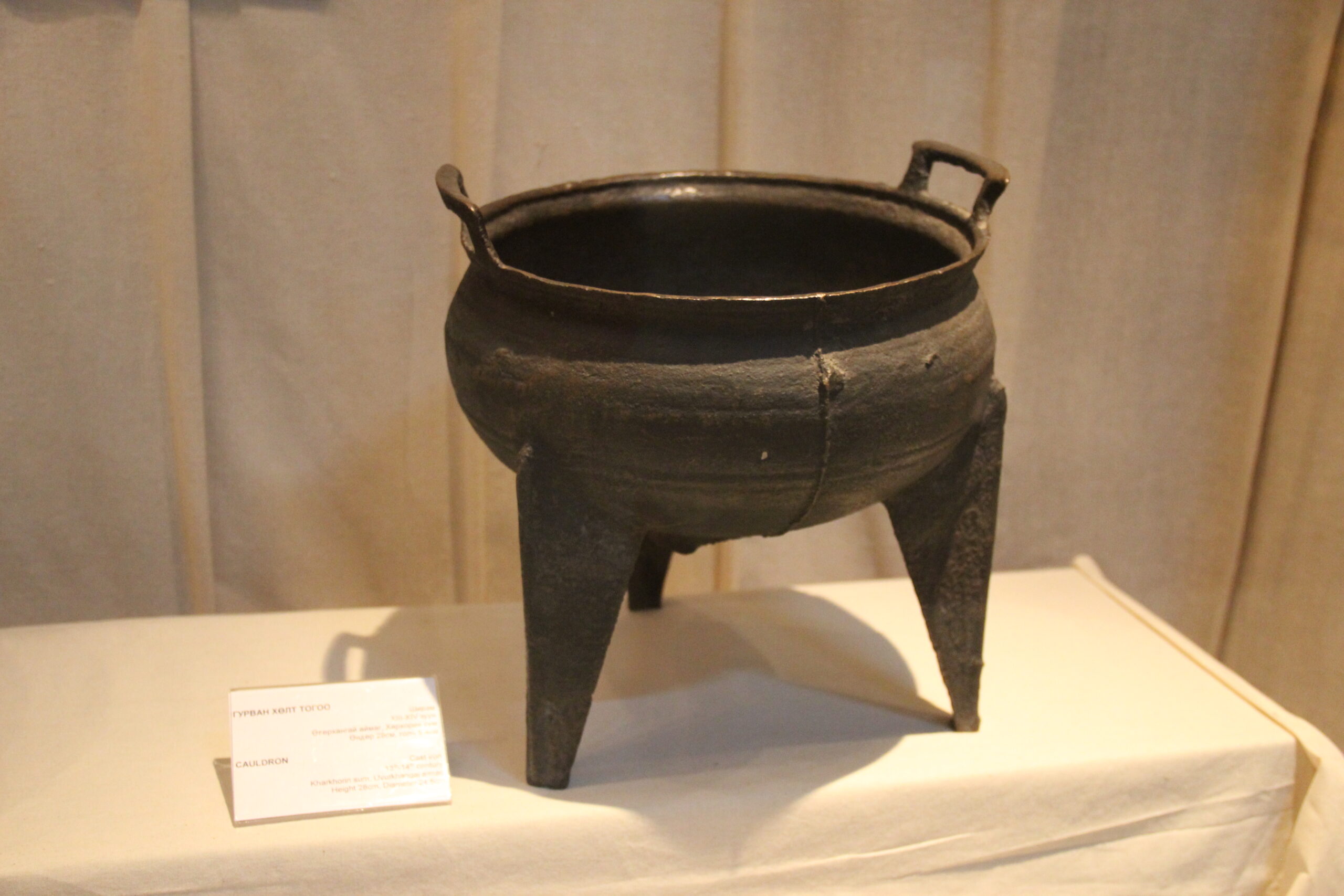
Brunswick, Georgia dates its version to 1898 and has a large iron pot set up on display with a marker to say so. That claim is younger by seventy years, which the Virginia side treats as decisive and the Georgia side treats as irrelevant, since the pot commemorates a particular occasion rather than an invention.
A resolution out of the Virginia legislature in the late 1980s named the county the original home, which settled the politics without settling the record. There is also a Brunswick County in North Carolina, and a periodic suggestion that the name traces back to Braunschweig in Germany by way of colonial place-naming. None of the four accounts is supported by anything that would satisfy a historian, and the honest summary is that a very old style of hunters’ stew acquired a place name that several places could claim. Brunswick stew is documented as a regional dish long before anyone tried to fix its birthplace.
What both sides agree on: corn, butter beans, tomato
Set the two bowls next to each other and the vegetables are identical. Corn, butter beans, tomato, potato, and onion, cooked until nothing has an edge left on it. Anyone who leaves out one of those five is making something else and would be told so in either state.
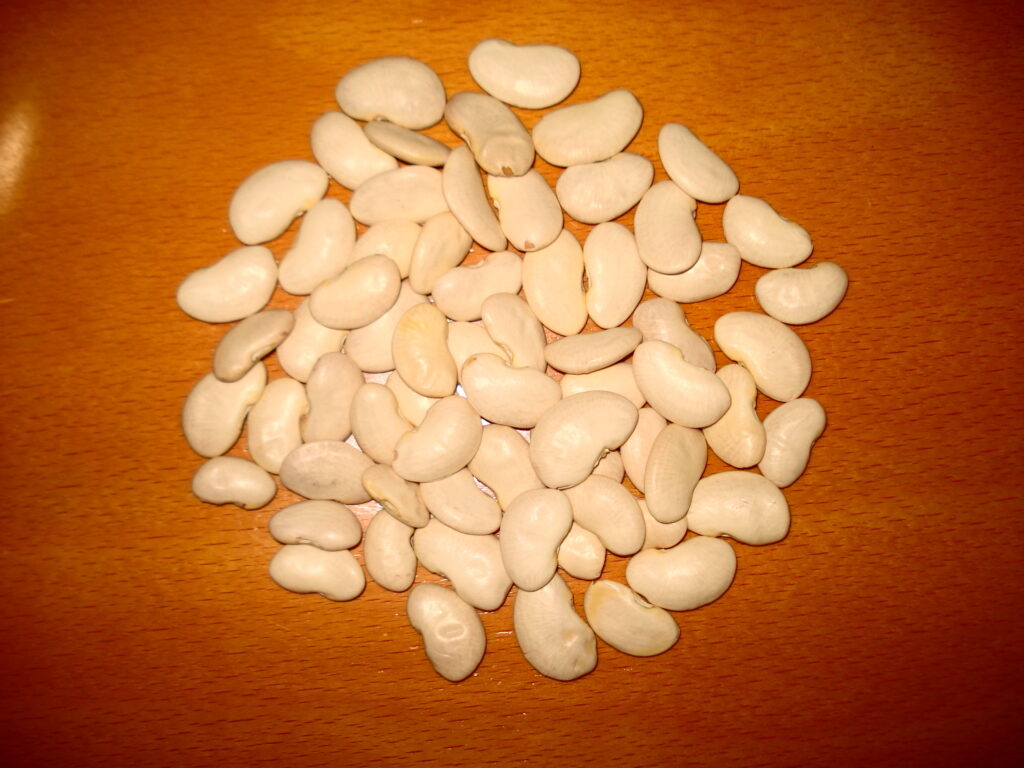
Butter beans specifically, which is to say lima beans, and the small pale green ones rather than the large starchy speckled kind. They break down partway through the cook and their starch is a large part of what thickens the pot. Frozen work fine and are what most cooks use now.
Corn goes in late in both versions. Early corn turns to mush and gives up its sweetness to the liquid; corn added in the last forty minutes keeps some bite and reads as corn on the spoon. The potato is there to dissolve. Cut it small, expect it to disappear, and understand that its job is body rather than texture.
The Virginia pot, and the chicken in it
Chicken, and preferably an old bird. The Virginia version is built on a whole hen simmered until it falls off the bone, with the cooking liquid becoming the base of the stew, and the meat pulled and returned. Nothing is smoked and nothing is browned.
The seasoning is spare and it leans on black pepper harder than anyone expects. Salt, a great deal of pepper, sometimes a little sugar to balance the tomato, occasionally a splash of Worcestershire. No barbecue sauce, no vinegar as a headline note, and no smoke. Cooks in the county will say the stew should taste of the chicken and the beans, and that anything louder is covering for a weak pot.
It is also markedly thicker. The Virginia standard is a stew you eat with a fork if you want to, cooked down until the liquid is gone and the starch is doing all the work. It is served as a meal in its own right, with cornbread or saltines, not as an accompaniment to anything.
The Georgia pot, and the pork and the sauce
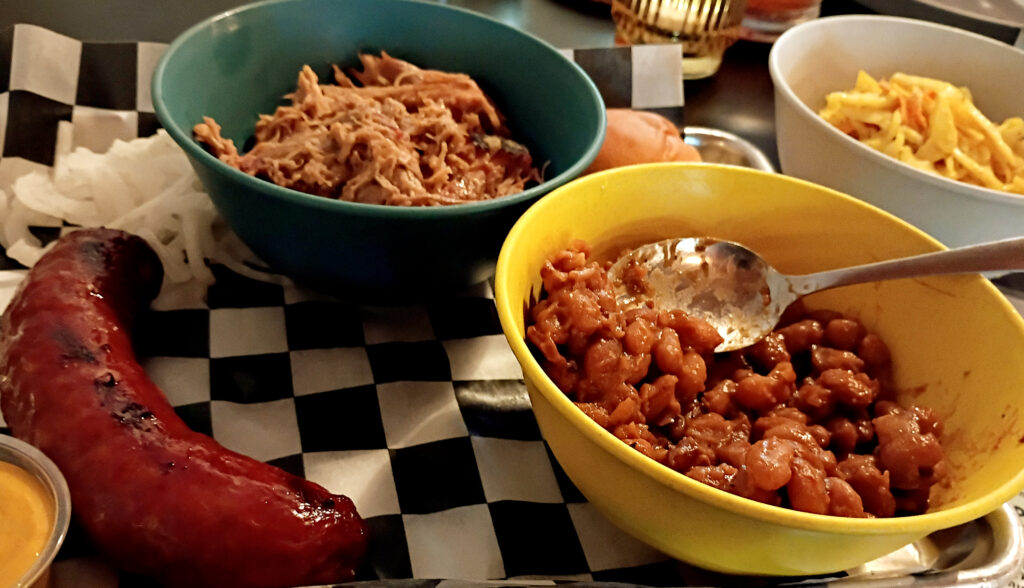
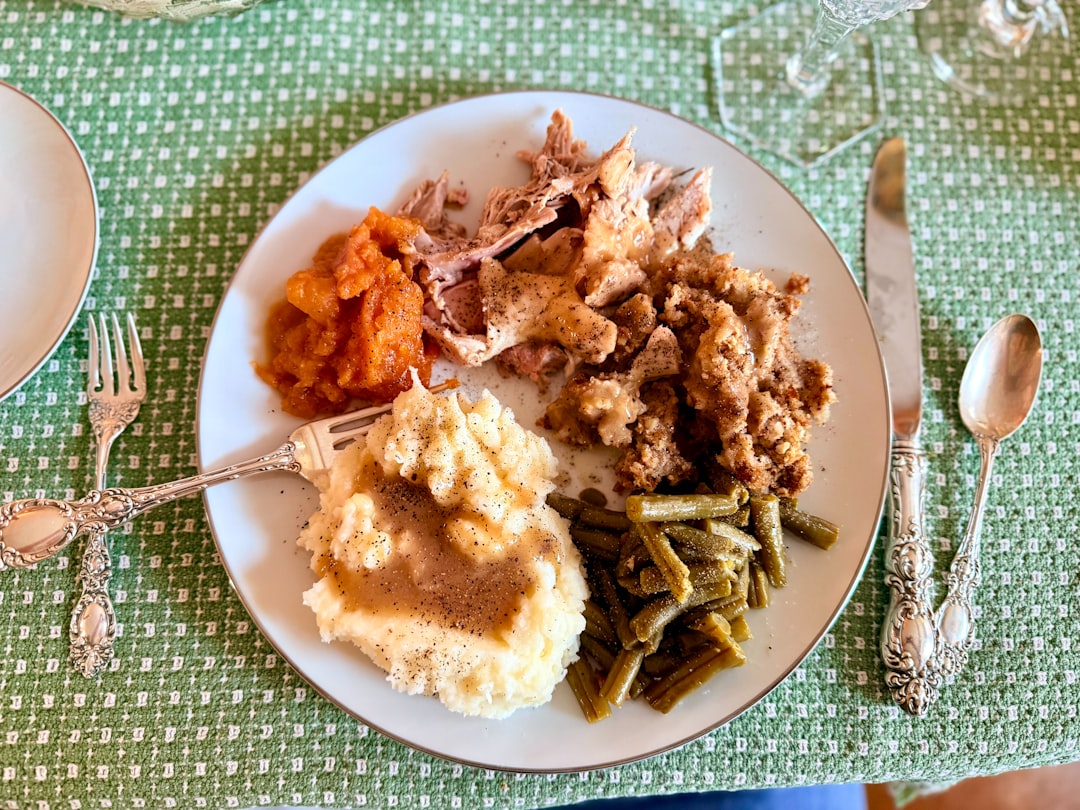
Georgia starts with pork, usually smoked shoulder left over from a barbecue, often with beef brisket or chuck alongside and chicken added as a third. Meat that already carries smoke is the point, and that alone puts the two versions in different territory before anything else goes in.
Then the sauce. Vinegar, tomato, brown sugar or molasses, mustard in some households, and a hot sauce of some kind, in quantities that make the stew tangy and clearly sweet. It is looser than the Virginia version, closer to a very thick soup, and it is ladled onto a plate beside ribs and pulled pork rather than served as the main event.
That serving context explains most of the differences. A stew that has to hold its own against smoked pork on the same plate needs acid and sweetness to keep from disappearing, and a stew that has to work alongside a pit full of slow-cooked meat is going to be built differently from one that is dinner by itself.
Squirrel, rabbit, and what the old recipes actually say
Squirrel is in the origin story on the Virginia side and it is in the older printed recipes too. So is rabbit. Nineteenth and early twentieth century collections from the region treat small game as ordinary, and a stew pot was where an afternoon of hunting ended up.
That is history rather than instruction. Squirrel is not sold commercially, and unless someone at the table hunts, it is not an option. The relevant point is what it tells you about the dish: it was built for meat that was tough, stringy, and had to be simmered for hours before it would leave the bone, which is exactly what an old hen also demands.
Cooking it with supermarket chicken breast is a mismatch of the same kind as roasting a stewing hen. If a modern pot tastes thin, the usual reason is that the meat was too young and too lean to give anything to the liquid. A whole bird with the bones in, or a shoulder with fat and connective tissue, is what the method was designed around.
The paddle test, and why it takes all day
Traditional stews in Virginia are cooked outdoors in a cast iron pot over a wood fire, stirred continuously with a wooden paddle by people taking shifts, for six to eight hours. The stirring is not ceremonial. A thick starchy stew over direct fire scorches at the bottom within minutes if it is left alone.
The test everyone quotes is that the stew is done when the paddle will stand upright in the middle of the pot without falling over. It is a rough measure and it describes the target well: the liquid has gone, the vegetables have collapsed, and what is left holds a shape.
On a home stove in a heavy pot the same result takes about five hours, with stirring every fifteen or twenty minutes rather than constantly. In an oven at 300 degrees, covered, it takes longer and scorches less, and it is the version I would recommend to anyone cooking it for the first time. It is unhurried food in the way that the dishes people cook on a cold Saturday generally are.
A brunswick stew recipe for a five-hour Saturday
This is written toward the Virginia end, for about eight servings, in a heavy eight-quart pot. The notes at the end explain how to move it toward Georgia.
- Simmer a four to five pound whole chicken in three quarts of water with two quartered onions, two celery ribs, a bay leaf, and a tablespoon of salt, for about ninety minutes at a bare simmer, never a rolling boil.
- Lift the bird out, let it cool enough to handle, and pull all the meat off in shreds. Return the bones and skin to the pot and simmer another thirty minutes, then strain and skim the fat.
- Return the strained broth to the pot. Add two large onions chopped fine, a 28-ounce can of crushed tomatoes, three medium potatoes peeled and diced small, and a tablespoon of black pepper. Simmer uncovered for an hour.
- Add a pound of frozen small butter beans. Simmer another ninety minutes, stirring every fifteen or twenty minutes and scraping the bottom of the pot each time.
- At about the four hour mark, return the pulled chicken. Add a pound of corn kernels, two tablespoons of butter, and a splash of Worcestershire. Simmer forty more minutes.
- Taste and correct: salt first, then more black pepper than feels reasonable, then a teaspoon of sugar only if the tomato is sharp. Add cider vinegar a teaspoon at a time if it tastes heavy.
- Take it off the heat when a spoon stood in the middle stays up for a second or two before leaning. Rest it fifteen minutes before serving.
To move it toward Georgia: replace half the chicken with two pounds of smoked pork shoulder pulled into shreds, add a quarter cup of cider vinegar and two tablespoons of brown sugar at step five, and stop the reduction earlier so it stays loose enough to ladle.
Thickening without flour, and the last hour
No roux, no cornstarch, no flour anywhere. Everything in the pot that thickens it is a vegetable: the potato dissolving, the butter beans breaking down, and the corn giving up starch at the end. That is why the cook is long and why cutting it short leaves a watery pot no thickener can rescue honestly.
If it is still loose at hour four, the answer is more time uncovered and a hotter simmer, not a slurry. If it is too thick, add broth rather than water, a half cup at a time, because water dilutes the seasoning along with the body.
The last hour is where scorching happens. As the stew tightens, the bottom layer sits in contact with the pot with very little liquid moving through it. Stir to the bottom every time, use the heaviest pot in the kitchen, and if a burnt smell appears, transfer the whole thing to a clean pot immediately without scraping the bottom of the old one.
Sweet, sour, or neither: the seasoning line between the states
The clearest way to see the difference is a short table, since the vegetables in both columns are the same.
| Element | Virginia | Georgia |
|---|---|---|
| Meat | Chicken, historically small game | Smoked pork, often beef and chicken too |
| Acid | Little, sometimes none | Cider vinegar, clearly present |
| Sweetness | A teaspoon of sugar at most | Brown sugar or molasses, noticeable |
| Heat | Black pepper, a lot of it | Hot sauce and cayenne |
| Consistency | Very thick, holds a spoon | Looser, ladled |
| Served as | The meal | A side with barbecue |
Neither column is a corruption of the other. They are two answers to two different questions, and the sharpest way to understand a regional dish is usually to cook both versions rather than to pick one, which is the same lesson that turns up across dishes that change every few hundred miles.
Scaling to a forty-quart pot
Stew suppers as fundraisers are how most people in southern Virginia actually encounter it, cooked outdoors in volume and sold by the quart. Scaling up is mostly arithmetic with three exceptions.
The seasoning does not scale linearly. Salt and pepper multiply roughly with volume, but sugar and vinegar hit their mark much sooner, so add them at half the multiplied amount and correct upward. The cooking time also does not scale as much as people assume: a forty-quart pot takes perhaps two hours longer than an eight-quart one, not five times as long.
The third exception is stirring. A large pot over open fire needs continuous work with a long paddle, which is why these are group projects with shifts. Scorching in a forty-quart pot is not recoverable, and there is no way to transfer that much stew quickly.
Cooling a deep pot, and the two-hour clock
The genuine risk with this dish is not the cooking, it is the aftermath. A thick, starchy stew in a deep pot holds heat for hours, and the middle of the pot can sit in the temperature range where bacteria multiply well into the evening even after the stove is off.
Divide it into shallow containers no more than two or three inches deep and refrigerate within two hours of coming off the heat. An ice bath in the sink speeds it considerably if the pot is large. Do not put a full eight-quart pot straight into the refrigerator; it will not cool in time and it will warm everything around it. Standard guidance on cooling and reheating large batches is set out by public food safety authorities and applies squarely here.
Poultry needs to reach 165 degrees, which a ninety-minute simmer clears easily, and pork shoulder cooked to falling apart is well past its own mark. Reheat leftovers to steaming throughout rather than to warm, use them inside three or four days, and freeze the rest, which it takes well for about three months. It genuinely tastes better on the second day, which is the usual reward for a dish that took all of the first one.
Frequently Asked Questions
Can I make it in a slow cooker?
Partly. The broth and the meat work well in one, but the reduction that gives the stew its body needs an open pot and evaporation, which a slow cooker is designed to prevent. Build it in the slow cooker for the first six hours, then move it to a wide pot on the stove for the last hour with the lid off.
What is the difference between butter beans and lima beans?
They are the same species, and in most of the South butter beans means the small pale green ones while lima often refers to the larger, starchier, speckled type. For this pot the small ones are correct. Frozen are perfectly good and are what nearly everyone uses now.
Do I have to use smoked meat for the Georgia version?
The smoke is most of what defines it, so leaving it out leaves a gap. If there is no barbecue on hand, a smoked ham hock simmered in the broth from the start gets a reasonable distance, and a small amount of smoked paprika helps without pretending to be the real thing.
Why did my stew scorch on the bottom?
Too thin a pot, too high a flame, or too long between stirs during the final hour. As the liquid reduces, the bottom layer stops circulating. Use the heaviest pot available, keep the heat at a lazy bubble, and scrape the bottom every stir. Once it has caught, move it to a clean pot without scraping.
How far ahead can I make it?
Three or four days refrigerated, and it improves for the first two of them. Freeze it beyond that in portions, where it holds about three months. It thickens considerably in the refrigerator, so loosen it with broth as it reheats rather than serving it at the consistency it comes out at.
Cook the Virginia version on one Saturday and the Georgia version on the next, and put a bowl of each in front of anyone who has an opinion. The argument does not end, but it gets a great deal more specific, which is the most anyone has managed with this dish in two hundred years.