I roast one large tray of vegetables on Sunday and it is dinner four times, and it is only four dinners because of what goes on top. The tray itself is identical every time: carrots, parsnips, cauliflower, red onion, whatever squash is cheap that week, oil, salt, 425 degrees, forty minutes.
Left plain, that tray is a side dish that nobody is excited about by Wednesday. Given a spoonful of romesco it becomes Catalan. Given chimichurri it becomes something you would put next to a steak. Given nuoc cham it goes into a rice bowl with herbs. The vegetables never change and the meal does.
All four sauces below take under ten minutes, keep at least a week in the refrigerator, and are built from things that live in a cupboard rather than things bought for one recipe. That combination is what makes the system hold up past the second week.
- The tray: one large sheet pan, 425 degrees, 35 to 45 minutes, no crowding
- Four sauces: Catalan romesco, Argentine chimichurri, Vietnamese nuoc cham, Korean doenjang and honey
- Each takes: under ten minutes, and yields enough for the whole tray twice
- Keeps: five days to two weeks depending on the sauce, all refrigerated
- Makes it dinner: a protein on the tray or a grain under it, not a sauce alone
- One caution: raw garlic sitting in oil at room temperature is a real hazard, and the fix is simple
One tray at 425, and the vegetables that survive it
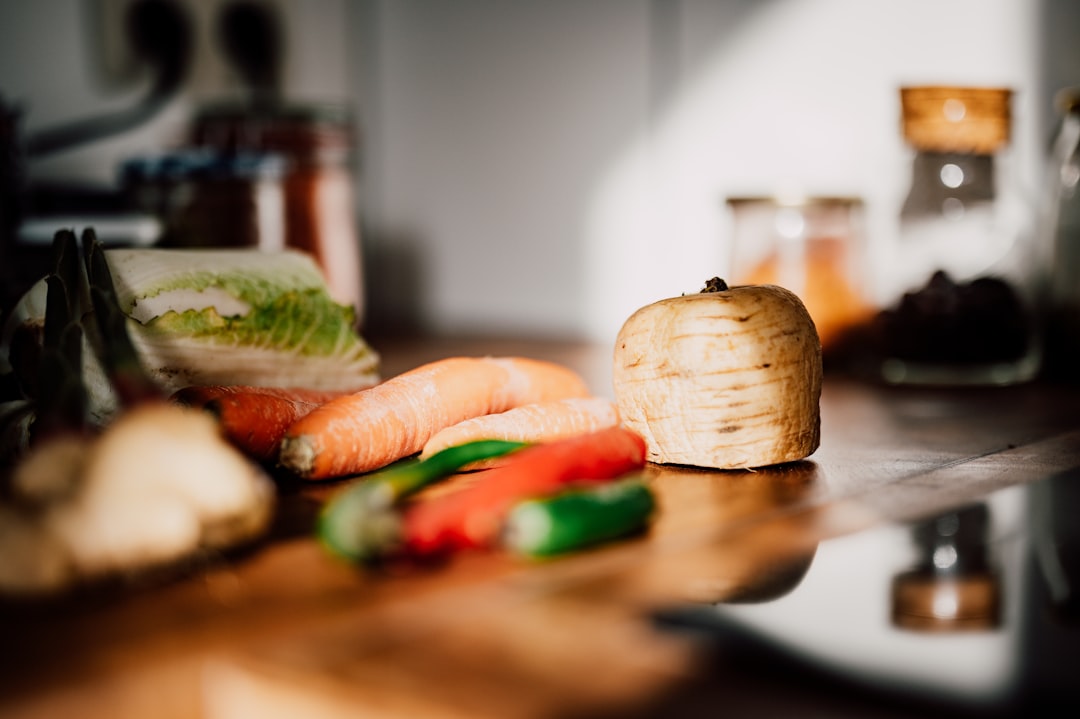
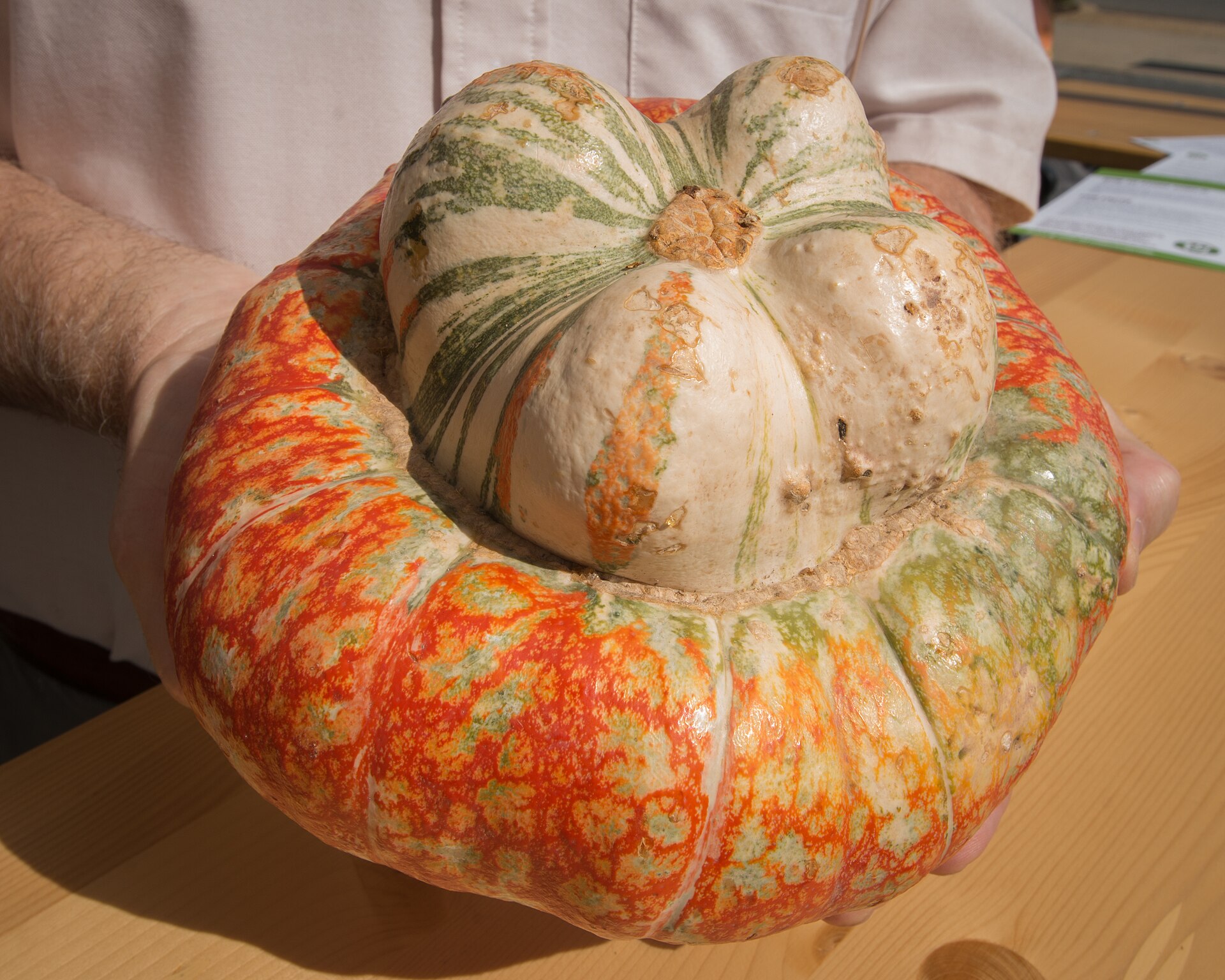
Dense autumn vegetables are what this heat is for. Carrots, parsnips, celery root, winter squash, sweet potato, cauliflower, broccoli stems, fennel, red onion, and Brussels sprouts all take 425 well and come out browned at the edges and sweet in the middle.
What does not belong on this tray is anything with high water content and thin walls. Zucchini, mushrooms, tomatoes, and peppers release liquid faster than the pan can drive it off and end up steaming everything around them. They roast well on their own tray at a similar temperature; they just cannot share.
Temperature is not negotiable in the downward direction. At 375 the vegetables cook through and never brown, which produces the pale soft tray that gives roasted vegetables their dull reputation. Browning is where the flavor is, and browning needs heat that the pan can hold. If anything, 450 is the better error.
Cutting everything to the same clock
Mixed vegetables on one tray only works if the pieces are sized so they finish together. That means cutting dense things small and softer things large, which is the opposite of what looks tidy.
| Vegetable | Cut | Time at 425 | Notes |
|---|---|---|---|
| Carrot, parsnip | Halved lengthwise, then in thirds | 35 to 40 minutes | Cut side down for the first half |
| Winter squash | Half-inch wedges, skin on | 30 to 35 minutes | Skin is edible on delicata and kabocha |
| Cauliflower | Large florets, one flat face | 30 minutes | Flat face on the pan |
| Brussels sprouts | Halved through the stem | 25 to 30 minutes | Cut side down, do not turn early |
| Red onion | Wedges through the root | 30 minutes | Root holds the layers together |
| Fennel | Wedges through the core | 35 minutes | Goes sweet and almost silky |
Two useful habits. Start the longest items ten minutes ahead and add the rest, or simply cut the slow ones smaller and put everything in at once. And turn the tray front to back at the halfway mark, because almost no home oven heats evenly and the back corner runs hotter than the front.
Four roasted vegetable sauce ideas, and the tray underneath
What follows is four sauces from four kitchens, chosen because they do genuinely different things. One is thick and nutty, one is herbal and sharp, one is thin and salty, one is fermented and sweet. Between them they cover the whole range a plate of browned vegetables can take.
| Sauce | From | Body | Keeps | Best on |
|---|---|---|---|---|
| Romesco | Catalonia | Thick, spoonable | About a week | Cauliflower, fennel, onion |
| Chimichurri | Argentina and Uruguay | Loose, oily | Five days | Squash, carrots, sprouts |
| Nuoc cham | Vietnam | Thin, watery | Two weeks | Sweet potato, cabbage, carrot |
| Doenjang and honey | Korea | Medium, clinging | Two weeks | Broccoli, sprouts, parsnip |
Make one on Sunday and a second on Wednesday rather than all four at once. Four open jars is how sauces get forgotten, and a sauce that sits untouched for three weeks is not a system, it is clutter.
Romesco, which turns the tray into a plate
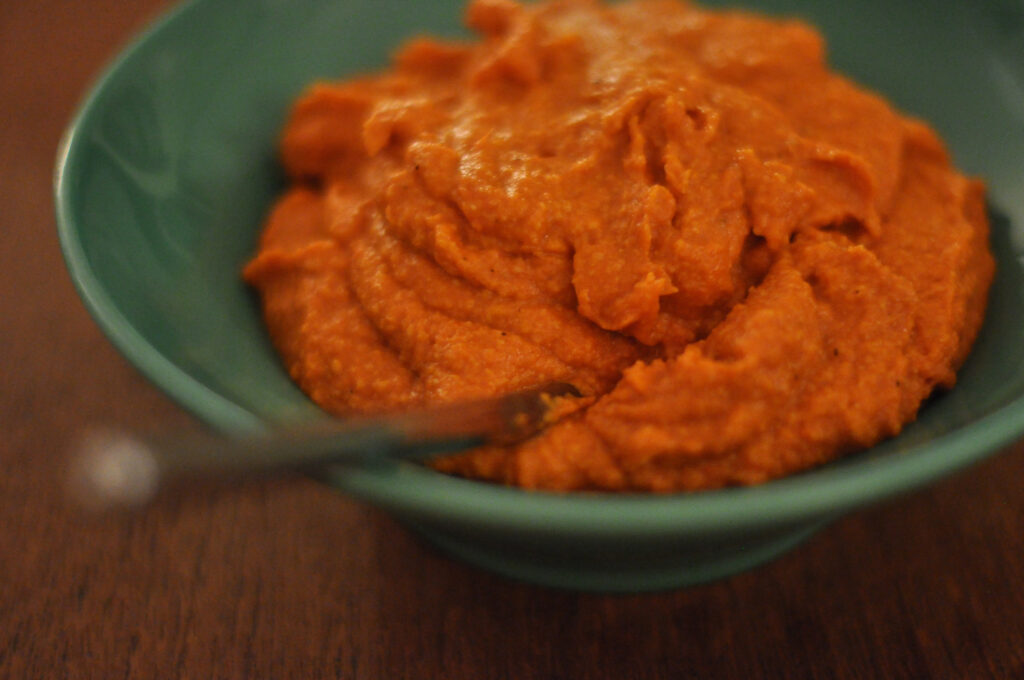
Catalan romesco is a thick sauce of roasted red pepper, almonds, garlic, bread, and sherry vinegar, and it is the heaviest of the four. It is usually attributed to fishermen around Tarragona, which is repeated everywhere and rests on tradition rather than on a record, and it is best known as the thing that goes with grilled spring onions.
The working version: blend one jar of drained roasted red peppers, half a cup of toasted almonds, one slice of stale bread torn up and fried in olive oil, two garlic cloves, two tablespoons of sherry vinegar, a teaspoon of smoked paprika, and a third of a cup of olive oil, until it is thick and slightly grainy. It should not be smooth. Salt heavily.
The bread is structural rather than filler. It gives the sauce enough body to sit on a piece of cauliflower instead of running off, and it is why romesco is the one sauce here that can make a tray of vegetables read as a full plate on its own. Hazelnuts in place of half the almonds is traditional in plenty of households and worth trying.
Chimichurri, and why it goes on while the tray is hot
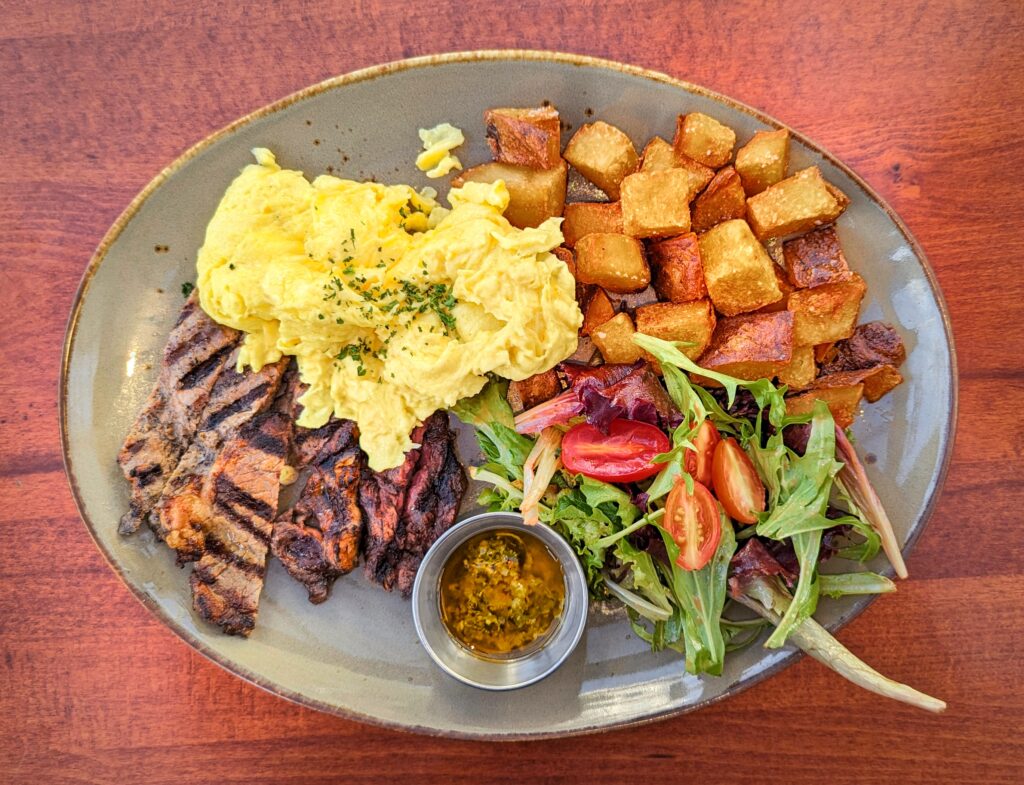
Argentina and Uruguay both claim it, and neither claim comes with evidence that settles anything. The name has half a dozen folk etymologies, all of them charming and none of them documented, which is a reliable sign that nobody knows.
What it is: a loose sauce of finely chopped flat-leaf parsley, dried oregano, garlic, red wine vinegar, olive oil, salt, and red pepper flakes. Chop everything by hand. A food processor turns it into a green paste that tastes bruised, and the point of chimichurri is that the parsley stays in identifiable pieces. Half a cup of chopped parsley, a tablespoon of oregano, three garlic cloves, three tablespoons of vinegar, half a cup of oil, and a teaspoon of flakes makes plenty.
Spoon it over vegetables straight out of the oven, while the tray is still hot enough to sizzle. The heat blooms the oregano and the garlic, and the vinegar hits the browned surfaces and lifts everything. Waiting until the tray has cooled costs most of that effect, which is the same reasoning behind adding a raw sauce at the last possible moment rather than cooking it in.
Nuoc cham, thin on purpose
Vietnamese nuoc cham is the outlier here because it is watery, and people who have not used it before assume that is a mistake. It is not. It is meant to be spooned generously over rice and vegetables so it soaks in, not drizzled in a thin line.
A starting ratio is three tablespoons of fish sauce, three of sugar, three of lime juice, and six of warm water, with one grated garlic clove and one sliced red chile. Dissolve the sugar in the warm water first, then add everything else. Taste it: it should be aggressively salty, sour, and sweet in roughly equal measure.
On a tray of roasted sweet potato and cabbage with a pile of mint and cilantro and some crushed peanuts, this turns a pan of vegetables into a rice bowl that tastes like it came from somewhere. It also keeps longer than the others, since salt, sugar, and acid are all doing preservation work, and it is the one I make in a double batch.
Doenjang and honey, for the tray that needs salt
Doenjang is Korean fermented soybean paste, older and funkier than Japanese miso and considerably saltier. It is not the same product and swapping miso in gives a milder, sweeter sauce that is pleasant and quieter.
Whisk two tablespoons of doenjang, one tablespoon of honey, one tablespoon of rice vinegar, one teaspoon of toasted sesame oil, one grated garlic clove, and two to three tablespoons of water until it is smooth and pourable. Add a teaspoon of gochugaru if heat is wanted. It clings to broccoli and Brussels sprouts better than anything else on this list.
Because it is a fermented paste, it is very salty, so the tray underneath should be salted lightly. This is the sauce I reach for when the vegetables came out a little dull, because the ferment supplies a depth that browning alone did not manage. A tablespoon of it whisked into plain yogurt is also an excellent dip for anyone who finds it too strong straight.
What each sauce keeps, and in what container
Glass jars with tight lids, filled close to the top so there is little air, and labelled with the date if the refrigerator door is a place where things get lost.
Romesco holds about a week and thickens as it sits; loosen it with a spoonful of water. Chimichurri holds about five days before the parsley goes drab, and it is the one worth making in small batches. Nuoc cham holds two weeks easily and the flavor sharpens slightly. The doenjang sauce holds two weeks and separates a little, which a stir fixes.
None of them freezes especially well. Chimichurri freezes acceptably in an ice cube tray if the parsley is going to spoil anyway, and comes back with a duller color and most of its flavor. The other three are quick enough that making a new batch beats thawing one.
The protein that makes it dinner instead of a side
A tray of vegetables and a spoonful of sauce is a very good side dish and not a meal. Whatever the sauce is doing, it is not supplying protein, and a plate without any leaves people hungry an hour later.
The easiest route is to put the protein on the same tray. A drained can of chickpeas tossed in oil goes on for the last twenty minutes and crisps. Halloumi in thick slabs takes fifteen. Sausages roast alongside in about thirty and their fat runs into everything. Cubed firm tofu, pressed and oiled, takes twenty-five.
The alternative is underneath: a pot of lentils, a bowl of rice, or a scoop of white beans warmed in their own liquid. Two soft-boiled eggs on top of a tray with romesco is a dinner I make constantly, and it takes as long as the eggs do. The principle is the same one that governs any meatless plate that has to satisfy: volume is not the same thing as substance.
Crowding, and the one thing that ruins a tray
Vegetables piled two deep steam. Steamed vegetables do not brown, and without browning the whole exercise is pointless no matter how good the sauce is. This is the single failure that accounts for most disappointing sheet pans.
Everything needs to sit in one layer with visible pan between the pieces. If that means two trays for four people, use two trays. A large rimmed sheet pan holds roughly a pound and a half of cut vegetables properly, and about three pounds if you are willing to accept a soft result.
Two smaller points that matter more than they should. Use enough oil, which is about two tablespoons per pound and always more than looks right. And put the cut faces down at the start, because the flat surface in contact with hot metal is where the browning actually happens, not in the air above it. Roasting a tray of whatever came out of the market that week is one of the better reasons for buying by season rather than by recipe.
Garlic in oil, fish sauce, and two labels worth reading
Raw garlic stored in oil is the one genuine hazard in this article and it is worth stating plainly. Garlic is a low-acid vegetable, and submerging it in oil creates an oxygen-free environment where the bacterium that produces botulinum toxin can grow if the mixture is held at room temperature. Commercial garlic-in-oil products contain added acid to prevent exactly this.
The fix is simple and costs nothing: keep chimichurri and any other raw-garlic-in-oil preparation in the refrigerator, not on the counter, and use it within about five days rather than keeping it indefinitely. Do not leave a jar out during a long dinner and then put it back. The same applies to homemade herb oils and infused oils generally, and the reasoning is set out in guidance from public food safety authorities.
Two labels to read for other reasons. Fish sauce is made from anchovies, which makes nuoc cham unsuitable for anyone avoiding fish, and there is no substitute that tastes the same; a soy-based version with a little seaweed gets partway. Doenjang and most miso contain soy and often wheat, and both are extremely high in sodium, which is worth knowing for anyone tracking it. None of that makes these sauces a problem; it makes them worth naming out loud at a table where someone is avoiding something.
Frequently Asked Questions
Can I roast the vegetables ahead and reheat them?
Yes, and it is the entire point of making a big tray. They keep four days refrigerated. Reheat in a hot oven or a dry skillet rather than a microwave, which turns the browned edges soft. They are also perfectly good cold with a sauce spooned over, which is how most of my leftovers actually get eaten.
Why do my vegetables come out soft instead of browned?
Almost always crowding, and occasionally too low an oven. Pieces touching each other trap steam between them and the pan never gets a chance to brown anything. Spread them into one layer with gaps, use a second tray if needed, and check that the oven is genuinely at 425 rather than what the dial claims.
Which sauce should I make first?
Romesco, because it is the one that most changes what the tray is. It has enough body and salt to carry a plate on its own, it keeps a week, and it uses a jar of roasted peppers and a handful of almonds rather than fresh herbs that have to be used quickly.
Can I use miso instead of doenjang?
Yes, with adjustments. Miso is less salty and sweeter, so use a bit more of it and cut the honey back slightly. Red miso is closer to doenjang than white is. The result is a good sauce and a different one, and it is not worth buying doenjang specially if there is already miso in the refrigerator.
How much sauce does one tray need?
Less than people expect for romesco and the doenjang, roughly a quarter cup for a tray serving four, and considerably more for nuoc cham, which is thin and meant to pool. Chimichurri sits in the middle at about a third of a cup. Put it in a bowl on the table rather than over the tray and let people take what they want.
Roast the tray on Sunday and decide nothing else. The sauce in the jar on Wednesday evening is the whole difference between a fourth night of the same vegetables and a dinner that does not feel like a repeat.