Salt gets a whole chapter. Acid gets a whole book. Bitterness gets one line, usually an instruction for removing it: soak the eggplant, blanch the greens, trim the pith, scrape the seeds. Almost every piece of standard kitchen advice about bitter treats it as damage to be repaired.
Meanwhile the things people pay most for are bitter. Coffee, dark chocolate, olive oil worth the money, an aperitif before dinner, the crust on anything roasted hard, beer of any kind. Nobody drinks an espresso and complains that the flat white was ruined by a defect.
The gap between those two positions is where a lot of flat cooking lives. A dish that has salt, fat, acid and sweetness and still tastes like it is missing something is usually missing the fourth wall, which is the thing that stops the other three from sliding into each other.
- What it does: cuts fat, stops sugar from cloying, and gives a dish a finish rather than a fade
- Four sources: bitter leaves, citrus peel, roast and char, and a short list of pantry items
- The two fixes: salt, which suppresses bitterness directly, and fat, which dilutes it
- What does not work: adding sugar, which produces something bitter and sweet at once
- Genetics: people differ measurably in how strongly they perceive certain bitter compounds
- The caution: a bitterness that arrives where it should not belong is a signal, not a seasoning
The taste people are taught to remove
Of the basic tastes, this is the one human beings are born disliking, and most of us spend the first decade of life actively rejecting it. That is not a cultural accident. Many plant compounds that are harmful in quantity taste bitter, and an aversion to them is a reasonable default setting for a young animal that puts things in its mouth without judgement.
What changes is exposure. Adults acquire tolerance and then preference, which is why coffee, beer, olives, radicchio and dark chocolate are almost universally adult tastes and almost universally rejected by children. The mechanism is straightforward familiarity rather than any change in the receptors themselves.
The result is a cuisine written by people who have acquired the taste, edited by an instinct that has not caught up. Recipes routinely call for removing bitterness that the dish is better with, most visibly in the treatment of chicory family greens, citrus peel and anything roasted to the point of darkening.
What bitter flavor in cooking is actually doing
Its main job is against fat. Fat coats the tongue and dulls everything, which is pleasant for two bites and heavy by the sixth, and bitterness cuts through that coating in a way that acid only partly does. This is why a rich braise is served with bitter greens, why a fatty roast comes with a citrus salad, and why an aperitif before a large meal is bitter rather than sweet.
Its second job is against sugar. A dessert with sugar and fat and nothing else is one-dimensional and reads as cloying long before it is finished. Dark chocolate, coffee, burnt caramel, toasted nuts and citrus zest are all doing the same structural work in a sweet dish, which is stopping it from collapsing into one note.
Its third job is length. Sweet and salt hit fast and disappear; bitterness lingers. A dish with a bitter element has a longer finish, which is the technical way of saying that the last impression lasts a few seconds rather than none, and that is a large part of why some plain food feels satisfying and other plain food does not.
The four sources worth cooking with
| Source | Examples | Character | Cooks out? | Best against |
|---|---|---|---|---|
| Bitter leaves | Radicchio, endive, escarole, dandelion, rapini | Clean, green, fades with heat | Substantially | Rich meat, cheese, cream |
| Citrus peel | Zest, pith, marmalade, preserved peel | Aromatic and sharp at once | Barely | Sugar, oily fish, poultry fat |
| Roast and char | Dark crusts, burnt onion, charred lemon, browned butter | Smoky, deep, built by you | Not applicable | Blandness, flat sauces |
| Pantry bitters | Cocoa, coffee, fenugreek, walnut, olives, hops | Concentrated, easy to overdo | No | Sweetness and one-note stews |
The column that decides how you use them is the fourth. Leaves lose most of their bitterness with cooking, which means the amount that goes in is not the amount that comes out. Everything else in the table keeps what it has, and in a reducing pot it gets stronger rather than weaker.
Radicchio and escarole cook out at different rates
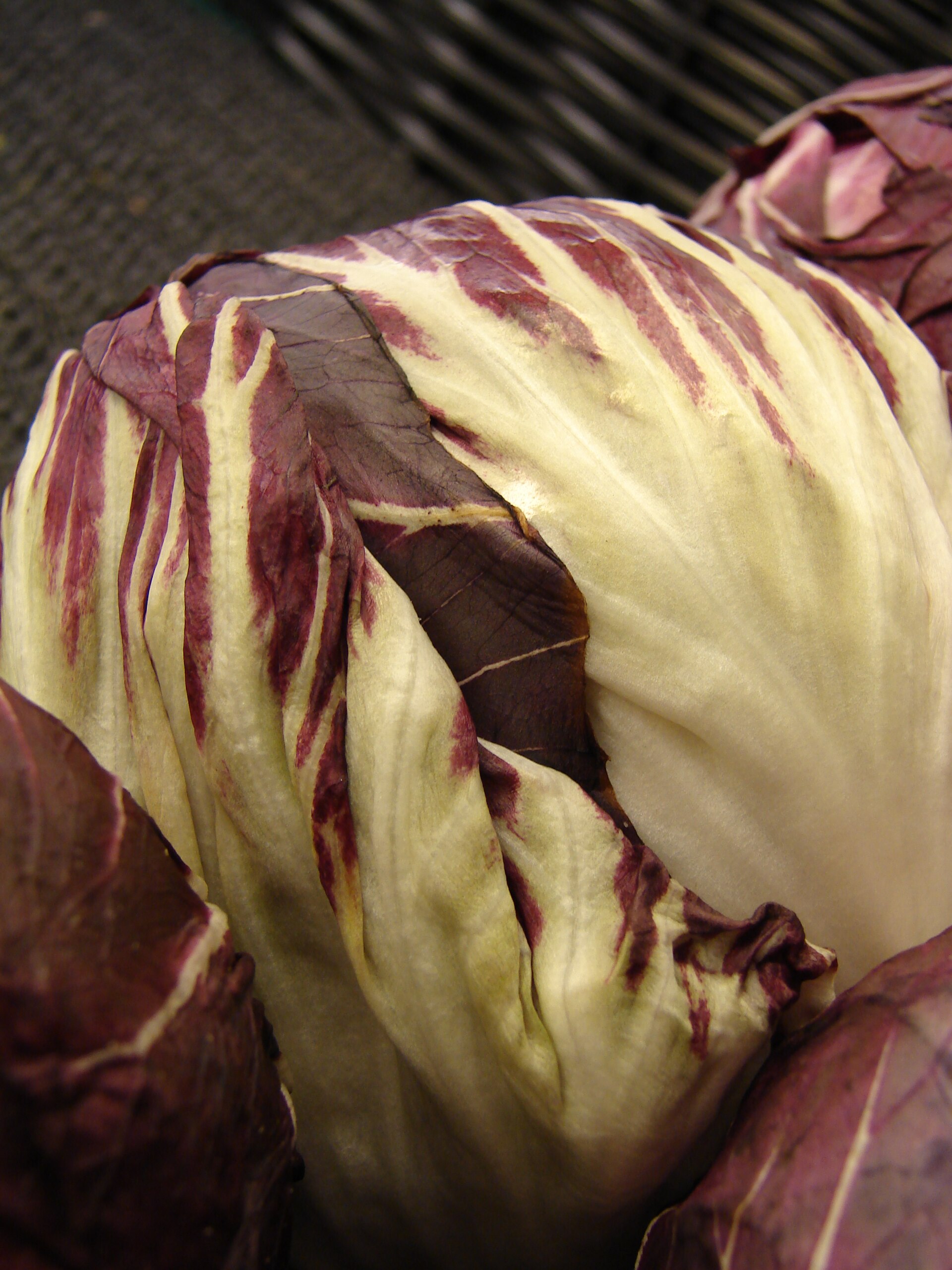
The chicory family covers a wide range. Belgian endive is the mildest and the most fragile, radicchio sits in the middle with a sharp edge, escarole is broad-leafed and dissolves in liquid, and dandelion and puntarelle are at the aggressive end.
Heat changes all of them substantially. A raw radicchio leaf is properly bitter; the same leaf grilled or roasted until the edges char is sweet, with the bitterness reduced to a background note. Halved heads brushed with oil and roasted at 425 degrees for twenty minutes are a different vegetable from the raw salad, and both are worth cooking.
Escarole is the one to keep in the refrigerator. It wilts into a pot of white beans and garlic in four minutes, gives up most of its bitterness into the broth, and turns a plain bean pot into something with structure. Braised in stock with anchovy and chile it works as a side or, with bread underneath, a supper. Bitter greens sit well next to almost everything covered in a salad built for contrast.
Citrus peel: the zest is aromatic, the pith is the bitter part
They are two different ingredients on the same fruit. The coloured outer layer holds the aromatic oils and very little bitterness. The white layer underneath holds the bitter compounds and almost no aroma. A microplane takes the first without the second, which is what most recipes want, and a vegetable peeler takes both.
Sometimes both is the point. Marmalade, candied peel, a slice of orange dropped into a braise, and the Italian and Spanish habit of adding a strip of peel to a pot of beans all depend on the pith being present. A braise finished with a wide strip of orange peel is doing something a spoonful of juice cannot.
Grapefruit is the strongest of the common citrus and the most useful for this purpose. Segments in a salad with avocado and a sharp dressing, or the peel in a syrup, give an amount of bitterness that no other supermarket fruit provides. Marmalade in a savoury glaze is the shortcut version and works better than it sounds.
Roast and char: bitterness you build yourself
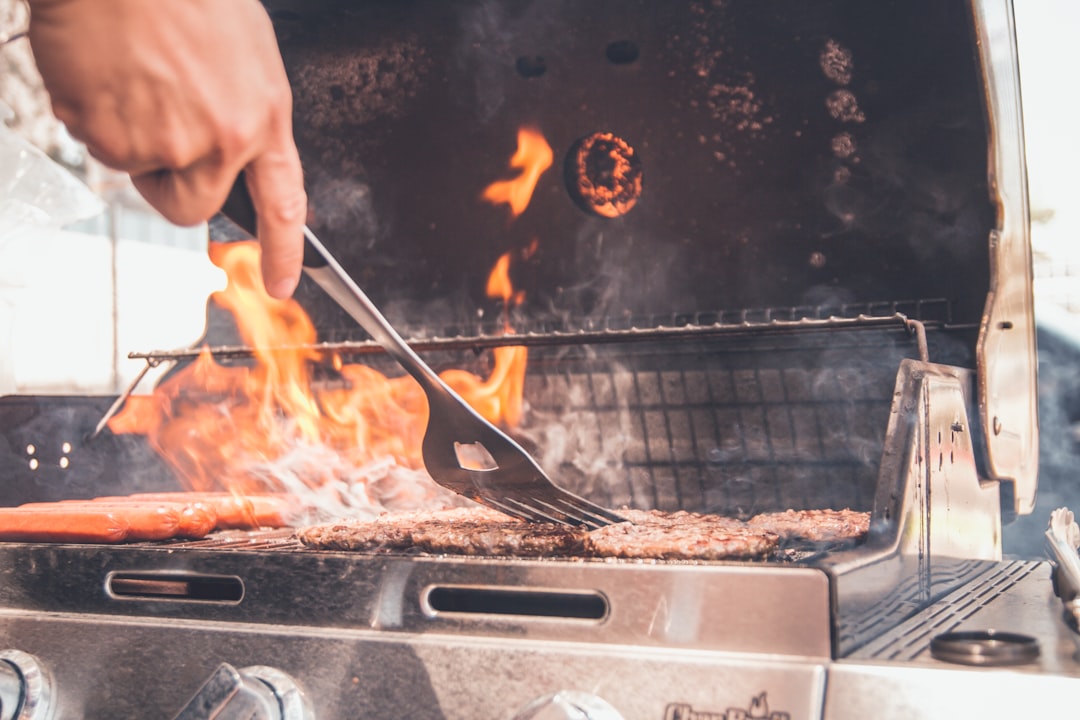
This is the source most people use daily without naming it. The dark parts of a roast, the browned bottom of a pan, coffee, toast, browned butter and caramel are all products of the same broad set of reactions, and all of them produce bitter compounds alongside the savoury and sweet ones everybody is aiming for.
The technique worth learning is deliberate charring of a single component. Half an onion held cut-side down in a dry pan until it is genuinely black, then dropped into a stock, is a standard move in several cuisines and it adds a depth that a softly sweated onion cannot. Charred lemon halves squeezed over fish do the same thing on a smaller scale, and the whole approach sits alongside the other ways heat builds flavour.
Where it goes wrong is uniformity. A dish that is entirely browned to the same degree is monotonous and often genuinely acrid. What works is contrast: one charred element against several that are not, so the bitterness reads as a line through the dish rather than as its overall condition.
Fenugreek, cocoa and coffee: the concentrated three
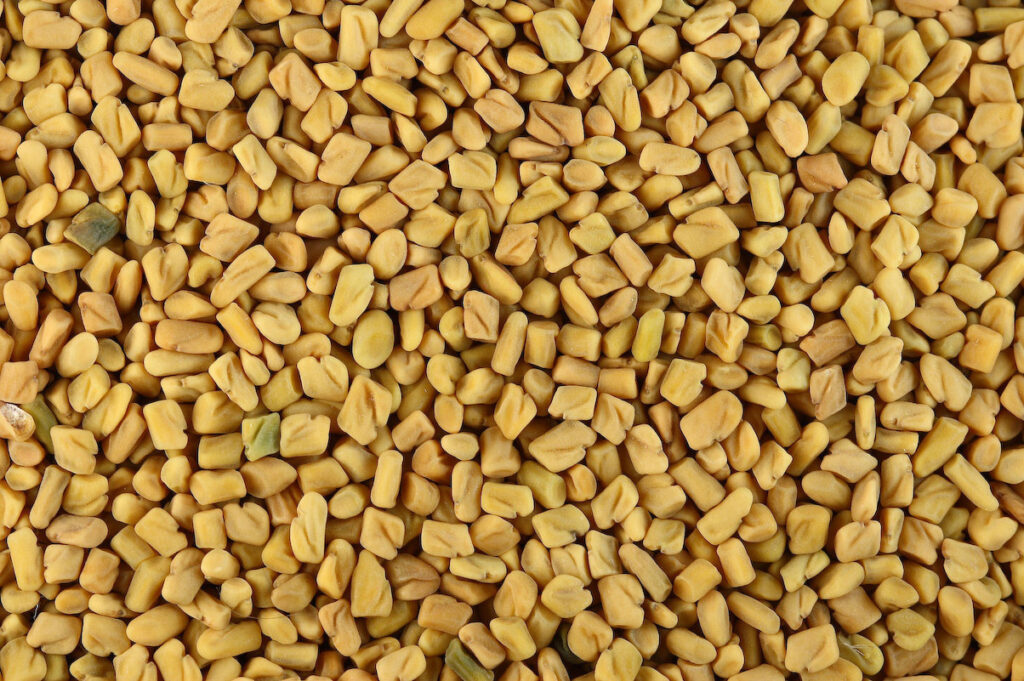
Fenugreek is the most underused bitter ingredient in most kitchens. The seed is bitter and faintly of maple, and it is a defining note in a great many South Asian spice mixes and in a large share of commercial curry powders. A quarter teaspoon of ground seed in a pot for four is a background note; a full teaspoon is unpleasantly medicinal, and the margin is that narrow.
Cocoa and coffee both work in savoury cooking and both get overstated. A tablespoon of unsweetened cocoa in a pot of chili or a beef braise darkens it and adds a bitter length; more than that and the pot tastes of chocolate, which is a different dish. Strong coffee in a braise behaves the same way and in the same quantity.
Walnuts, olives and hops fill out the list. Walnut skins are where the bitterness lives, which is why a walnut sauce tastes different from an almond one. Olives bring bitterness with salt attached. Beer as a braising liquid brings it with hops, and a heavily hopped beer reduced for two hours will make a pot inedible, which is worth knowing before you deglaze with whatever is open.
Two fixes when a dish has gone too far
Salt is the first and the most direct. Sodium suppresses the perception of bitterness at the receptor level, which is a well-established effect and the reason salt on grapefruit works, and the reason a bitter pot is often just an underseasoned one. Before doing anything else, salt it properly and taste again.
Fat is the second. Cream, butter, oil or yogurt physically dilute bitter compounds and coat the tongue, which mutes them. A bitter greens dish rescued with a spoonful of cream, or a harsh olive oil balanced by the egg yolk in a mayonnaise, are both this mechanism at work. Dairy is particularly effective and it is why yogurt sits alongside so many bitter vegetable preparations.
What does not work is sugar. Sweetness does not cancel bitterness; the two simply coexist, and the result tastes like cough syrup. This is the most common failed rescue in home cooking and it makes the pot worse rather than better. If the dish is beyond salt and fat, the remaining option is dilution, which means more of everything else and a bigger batch, a principle covered further in the notes on balancing a plate.
Why the table disagrees about the same dish
People differ measurably in how strongly they perceive certain bitter compounds, and the difference is partly genetic. Sensitivity to a group of compounds used in taste research varies widely across populations, and someone at the sensitive end will find a grapefruit or a plate of rapini genuinely unpleasant rather than merely unfamiliar.
That has a practical consequence for cooking for other people. A dish balanced to a cook who barely registers bitterness can be inedible to someone who registers it strongly, and telling that person to acquire the taste is not useful advice. Serve the bitter element on the side where the dish allows it.
Age matters too. Sensitivity generally declines over a lifetime, which is part of why the same person who spat out broccoli at six drinks black coffee at thirty. Children rejecting bitter vegetables are not being difficult, and the reliable route is repeated small exposures alongside fat and salt rather than argument.
When bitterness is a warning rather than a seasoning
The instinct this article has been arguing against exists for a reason, and there are places where it should be obeyed without hesitation. The clearest is the squash family. Cucumbers, zucchini, marrows and gourds can occasionally produce high levels of cucurbitacins, which taste intensely and unmistakably bitter and which cause serious gastrointestinal illness. A zucchini that tastes sharply bitter should be spat out and thrown away rather than cooked around, and this applies particularly to plants grown from saved seed.
The same rule applies to foraged greens and to bitter almonds, and to any nut, seed or wild plant that tastes strongly bitter when it should not. Bitterness that appears where the ingredient does not normally have it is a signal from a plant that has produced a defensive compound, and no cooking technique neutralises that.
The everyday version is milder and worth naming. Very bitter foods eaten in quantity can irritate the digestive system, some bitter compounds interact with medications, and anyone managing a liver or gallbladder condition or taking a prescribed drug should raise a sudden enthusiasm for bitter tonics and concentrated extracts with a doctor rather than a recipe. The ingredients in this article are food. Concentrated bitter supplements are a different category and should be treated as one.
Frequently Asked Questions
How do I start if I do not like bitter food?
Start with cooked rather than raw, and with fat alongside. Roasted radicchio with a blue cheese dressing, escarole braised with beans and olive oil, broccoli rabe with garlic and plenty of oil. Heat removes most of the sharpness and fat mutes what is left, and the taste builds with repetition faster than most people expect.
Is soaking eggplant in salt water worth it?
Rarely, with modern varieties. Commercial eggplant has been bred for decades toward mildness and most of what is sold now is not meaningfully bitter. Salting still firms the flesh and reduces how much oil it absorbs, which is a real benefit, but the bitterness argument is largely a holdover.
Does bitterness mean a vegetable is old?
Sometimes. Lettuce and other leaves turn bitter when the plant bolts in heat, and older, larger cucumbers are more likely to be bitter at the stem end. Chicories, on the other hand, are bitter by design and freshness has nothing to do with it.
What is the easiest bitter thing to add to a dish?
Citrus zest, at the end, off the heat. It takes ten seconds, it works in savoury and sweet dishes alike, and it is almost impossible to overdo in the quantities a microplane produces. A spoonful of finely chopped olives is the second easiest.
Can I use beer or coffee in a braise without ruining it?
Yes, with attention to reduction. Both concentrate as the liquid reduces, so use them as part of the liquid rather than all of it, and choose a beer that is not heavily hopped. Adding coffee in the last thirty minutes rather than at the start gives the depth without the harshness.
Put a bitter element on the plate the next time a dish tastes finished but somehow flat, before reaching for more salt or another squeeze of lemon. A handful of raw radicchio, a scrape of zest or a charred half onion in the pot is usually what was missing, and it takes about a minute to find out.