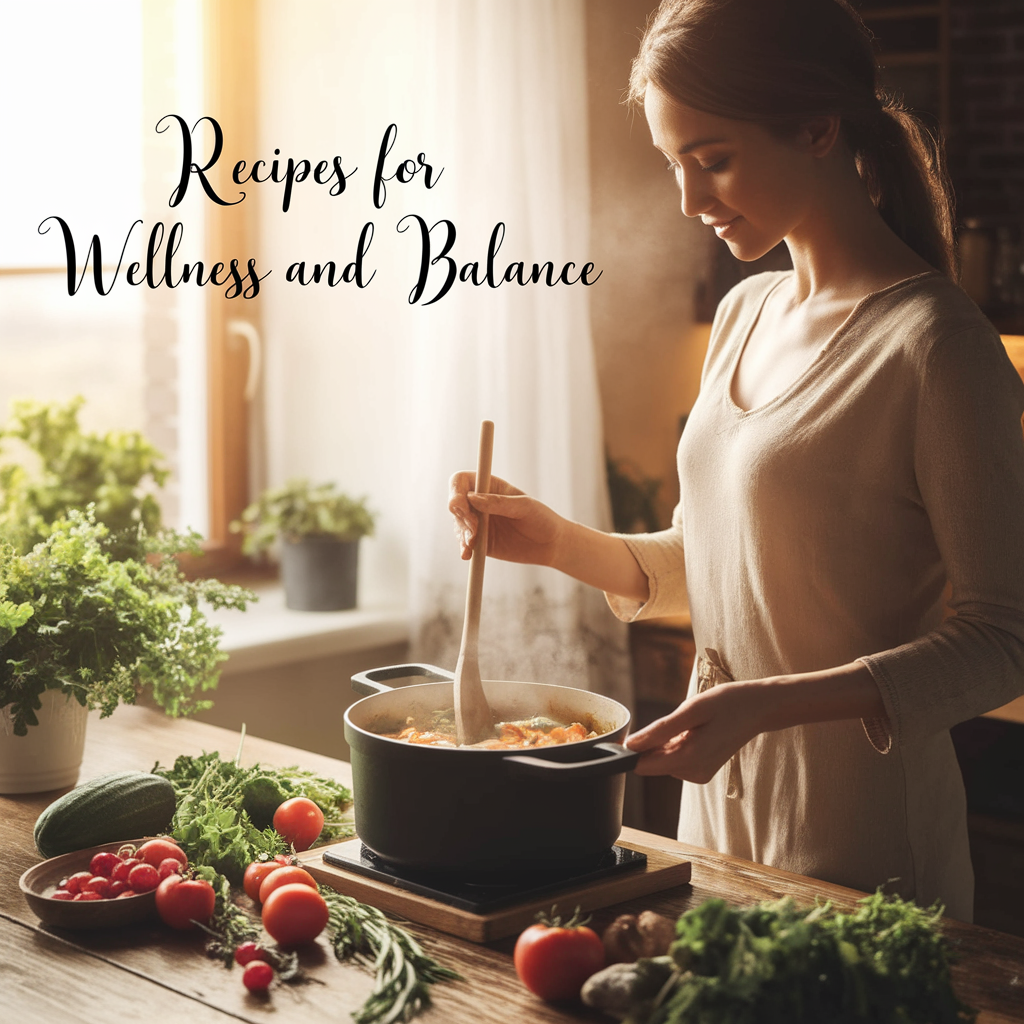
A stew is one of the most comforting and satisfying dishes a home cook can make, combining ingredients that are gently simmered together in liquid to produce a hearty, flavorful one-pot meal. Stews are found in cuisines all over the world, in countless variations, and they are typically forgiving, economical, and largely hands-off. Yet some cooks are unsure how to build a stew, wondering about ingredients, liquid, and technique. The reassuring truth is that most stews share a similar basic structure, so once you understand how to build a simple stew, you can make endless variations. This guide offers a practical, honest look at making a simple stew, with flexible tips rather than rigid recipes.
Understanding how to make a simple stew helps you create hearty, comforting meals with confidence, because knowing the basic building blocks and how a stew works lets you make endless variations rather than relying on a single recipe. In this guide we cover what a stew is, its basic building blocks, the general process, building flavor, adapting stews to what you have, seasoning and finishing, and honest tips. The aim throughout is practical understanding and flexible guidance, recognizing that a stew is a forgiving, adaptable dish that welcomes improvisation and rewards patience and a little basic know-how with satisfying results.
What a stew is
A stew is a dish in which ingredients are simmered gently together in liquid over time, producing a hearty, flavorful one-pot meal. Typically, main ingredients such as vegetables and, often, a protein are cooked slowly in a flavorful liquid until tender, with the liquid becoming a flavorful part of the dish, often forming a sauce or broth. This slow, moist cooking of ingredients together in liquid is what defines a stew and gives it its comforting character.
Stews are closely related to other slow, moist cooking methods and are valued for turning simple, often economical ingredients into satisfying meals. Because the ingredients cook slowly together, their flavors meld, producing a dish with depth and richness. Stews are typically forgiving and largely hands-off once they are simmering, which is part of what makes them such a practical and comforting dish to cook.
Understanding what a stew is provides the foundation for making one. A stew is ingredients simmered gently together in liquid over time, producing a hearty one-pot meal, with the liquid becoming a flavorful part of the dish. Recognizing this basic idea, slow, moist cooking of ingredients together, is the starting point for understanding how to build a simple stew and how to adapt it to make endless variations.
The basic building blocks of a stew
Most stews share a similar basic structure, built from a few key building blocks. Typically, a stew involves aromatics to build a flavorful base, main ingredients such as vegetables and often a protein, a liquid in which to simmer them, and seasoning to bring it together. Understanding these basic building blocks helps you see how stews are constructed and gives you a flexible template for building your own, rather than depending on individual recipes.
Because most stews follow this general structure, understanding the building blocks lets you make many variations. By varying the aromatics, the main ingredients, the liquid, and the seasonings, you can create a wide range of stews from the same basic approach. This is why understanding the structure of a stew is so useful: it turns the stew into an adaptable template that you can fill with different ingredients to suit what you have and what you like.
Understanding the basic building blocks of a stew, aromatics, main ingredients, liquid, and seasoning, provides a foundation for making one. Recognizing that most stews share this structure helps you see the stew as a flexible template rather than a fixed recipe. This understanding is the key to making endless variations of stew, giving you a versatile, comforting dish that you can adapt to your ingredients and taste.
The general process of making a stew
The general process of making a stew is straightforward and forgiving. Often, you begin by cooking aromatics to build a flavorful base, sometimes browning a protein or main ingredients for extra flavor, then add the liquid and the main ingredients and simmer everything gently together until the ingredients are tender and the flavors have developed. Seasoning to taste, and adjusting as needed, brings the stew together into a satisfying dish.
Simmering the stew gently, rather than boiling it hard, helps the ingredients cook evenly and the flavors meld, and the cooking time depends on the ingredients, with heartier ingredients taking longer. Because the process is forgiving and largely hands-off once the stew is simmering, small variations are unlikely to spoil it, and you can adjust as you go, tasting and adding seasoning until the stew is to your liking. Patience helps, as the flavors develop over time.
Understanding the general process of making a stew, building a base, adding liquid and ingredients, simmering until tender, and seasoning to taste, gives you a clear, adaptable approach. Because the process is simple and forgiving, making a stew is accessible even to less experienced cooks. Recognizing the general steps helps you approach stews with confidence, adapting the process to different ingredients while following the same basic, comforting method.
| Aspect | Common belief | Reality |
|---|---|---|
| A stew | Needs a strict recipe | A flexible template you can adapt |
| Building blocks | Complicated | Aromatics, main ingredients, liquid, seasoning |
| Cooking | Boil hard | Simmer gently for even cooking and flavor |
| Ingredients | Must be specific | Adapt to whatever you have |
| Flavor | Comes on its own | Built from a base and developed slowly |
Building flavor in a stew
Building flavor is central to a good stew, and it often begins with the aromatics and, in some stews, browning. Cooking aromatics to build a flavorful base, and browning a protein or main ingredients where appropriate, adds depth to the stew. The liquid also contributes flavor, with a flavorful liquid such as a broth adding more depth than water alone, and as the stew simmers, the flavors of the ingredients meld together.
Because a stew cooks its ingredients slowly together in liquid, the flavors have time to develop and combine, producing the deep, satisfying taste that makes stews so comforting. Seasoning the stew and tasting as it cooks helps you develop the flavor you want, and the flexibility of the dish means you can adapt the aromatics, ingredients, and seasonings to your taste. There is no single correct way to flavor a stew.
Understanding how to build flavor in a stew helps you make one that is deeply satisfying. By building a flavorful base with aromatics, browning where appropriate, using a flavorful liquid, and seasoning to taste, you can develop the rich flavor that stews are known for. Recognizing the many ways to build flavor, and how slow cooking allows flavors to meld, helps you make stews that are hearty, comforting, and full of flavor.
Adapting stews to what you have
One of the great strengths of the stew is its adaptability, which lets you build a stew around whatever ingredients you have on hand. Because most stews share a basic structure, you can vary the aromatics, main ingredients, liquid, and seasonings to suit what is available and what you like. This makes stew an excellent way to use up ingredients and to cook flexibly and economically without needing a specific recipe.
When adapting a stew, the main things to keep in mind are building a flavorful base, using enough liquid, cooking the ingredients until tender, accounting for different cooking times among the ingredients, and seasoning to taste. Beyond these basics, you have a great deal of freedom to use different ingredients, adjusting the stew to your taste and to what you have. This flexibility means no two stews need be the same.
Embracing the adaptability of stew frees you from needing exact ingredients and makes cooking more flexible and economical. Rather than following a strict recipe, you can treat stew as a template, filling it with whatever you have and seasoning to taste. Understanding stew this way, as an adaptable approach rather than a fixed dish, is what makes it such a valuable and comforting part of everyday cooking and a great way to make the most of your ingredients.
Seasoning and finishing a stew
Seasoning is essential to a good stew, since a well-seasoned stew tastes far better than an under-seasoned one, which can taste flat. Salt and other seasonings help bring out the flavors of the ingredients, and seasoning to taste, tasting and adjusting as you go, is the most reliable way to get a stew you enjoy. Because stews can vary so much, seasoning by taste rather than by fixed measurement is especially important.
Finishing touches can also elevate a stew, from a squeeze of acidity to brighten it, to fresh herbs or other garnishes, to adjustments in the liquid or texture. These finishing steps are optional but can add appeal, and they offer another way to tailor the stew to your taste. Tasting the finished stew and making final adjustments helps ensure it is just right before serving, balanced and flavorful.
Understanding the importance of seasoning and the value of finishing touches helps you make stews that are flavorful and appealing. Because seasoning makes such a difference, tasting and adjusting throughout is one of the most useful habits for a good stew. Recognizing that seasoning to taste and adding finishing touches can transform a stew helps you get the most from your cooking, turning simple ingredients into a hearty, well-balanced, comforting dish.
Honest tips for a good stew
A few honest tips can help you make a good stew. First, build a flavorful base with aromatics, and brown ingredients where appropriate, since this adds depth. Second, simmer gently rather than boiling hard, to help the ingredients cook evenly and the flavors meld. Third, be patient, as the flavors and tenderness develop over time. These basics apply to nearly any stew you make.
It also helps to account for different cooking times among the ingredients, adding heartier, slower-cooking ingredients earlier and quicker-cooking ones later, so everything is properly cooked. Season to taste throughout, and embrace the forgiving, flexible nature of stew. Because stew is so adaptable, there is no single correct recipe, and small variations are unlikely to spoil the result. Treat it as a flexible dish you can improvise.
Finally, remember that making a stew is a simple, rewarding, and largely hands-off process once you understand the basic building blocks. There is no need for complexity; a flavorful base, enough liquid, ingredients cooked until tender, and seasoning to taste are enough for a good stew. Approaching stew with these honest, flexible principles, and a little patience, is the surest way to make hearty, comforting one-pot meals.
Enjoying a hearty, comforting stew
A stew is one of the most comforting and satisfying dishes a home cook can make, combining ingredients simmered gently together in liquid to produce a hearty one-pot meal. Understanding what a stew is, its basic building blocks, the general process, and how to build flavor, gives you the ability to make good stews reliably, treating the stew as an adaptable template rather than a fixed recipe.
Approaching stew with this practical understanding lets you make endless variations with confidence, building comforting meals around whatever you have on hand. Recognizing that the keys are a flavorful base, enough liquid, ingredients cooked until tender, patience, and seasoning to taste, helps you appreciate the flexibility of stew and how forgiving it is to make. These simple principles are all you need for a good stew.
In the end, making a stew is a flexible, forgiving, and deeply satisfying skill that turns simple ingredients into hearty, comforting meals. By understanding the basic building blocks and embracing the adaptability of the dish, you can make a wide variety of stews with confidence and ease. Approaching stew this way, with honest, flexible principles and a little patience, is one of the best ways to enjoy comforting, economical home cooking.
Frequently asked questions
What is a stew?
A stew is a dish in which ingredients are simmered gently together in liquid over time, producing a hearty, flavorful one-pot meal. Main ingredients cook slowly in a flavorful liquid until tender, with the liquid becoming a flavorful part of the dish.
What are the basic building blocks of a stew?
Most stews involve aromatics for a flavorful base, main ingredients such as vegetables and often a protein, a liquid in which to simmer them, and seasoning to bring it together. Understanding these lets you make many variations from the same basic structure.
How do I make a stew?
Often you build a flavorful base with aromatics, sometimes brown a protein or main ingredients, then add liquid and the main ingredients and simmer gently until tender, seasoning to taste. The process is forgiving and largely hands-off once the stew is simmering.
Should I boil or simmer a stew?
Simmer gently rather than boiling hard, as this helps the ingredients cook evenly and the flavors meld. Cooking time depends on the ingredients, with heartier ones taking longer, so cook until the ingredients are tender and the flavors have developed.
Can I use any ingredients in a stew?
Largely, yes. Stew is highly adaptable, so you can build it around what you have, varying the aromatics, main ingredients, liquid, and seasonings. Just account for different cooking times, use enough liquid, cook until tender, and season to taste.
How do I season a stew?
Season to taste, tasting and adjusting as you go rather than relying on a fixed measurement, since stews vary so much. A well-seasoned stew tastes far better than an under-seasoned one, so seasoning throughout, and adding finishing touches, is important for a good result.
Conclusion
A stew is one of the most comforting and satisfying dishes a home cook can make, combining ingredients simmered gently together in liquid to produce a hearty one-pot meal. Understanding what a stew is, its basic building blocks, the general process, and how to build flavor, gives you the ability to make good stews reliably.
Approaching stew with this practical understanding lets you make endless variations with confidence, building comforting meals around whatever you have on hand. Recognizing that the keys are a flavorful base, enough liquid, ingredients cooked until tender, patience, and seasoning to taste, helps you appreciate the flexibility of stew and how forgiving it is to make.
In the end, making a stew is a flexible, forgiving, and deeply satisfying skill that turns simple ingredients into hearty, comforting meals. By understanding the basic building blocks and embracing the adaptability of the dish, you can make a wide variety of stews with confidence, making it one of the best ways to enjoy comforting, economical home cooking.