Three dishes that were close to standard on an American Thanksgiving table sixty years ago now show up on almost none. Creamed onions, succotash, and ambrosia salad have not disappeared because they stopped tasting good. They faded for three different, specific reasons, and each one has an updated version worth cooking again rather than leaving as a memory attached to a grandparent’s table.
None of the three needs to replace anything currently on a modern Thanksgiving spread. Each fills a role the table has quietly lost: a rich vegetable dish that is not a casserole, a corn and bean side with real history behind it, and a fruit course that once bridged the gap between the savory meal and dessert.
What follows is what each dish actually was, why it faded from most tables, and a version of each updated just enough to earn a spot back on a modern one without asking anyone to eat something that tastes like it belongs in a different decade.
- Three dishes: creamed onions, succotash, ambrosia salad
- What they shared: all three were standard across a large share of American tables by the mid-twentieth century
- Why they faded: tedium, changing tastes, and a shift away from mayonnaise-and-marshmallow salads
- The one still argued about: ambrosia, which some households never actually dropped
- Updated versions: each modernized in one specific way without losing what made it work
- None of it replaces anything: these are additions, not substitutions, for a modern table
Old fashioned thanksgiving sides, and what actually pushed them off the table
None of these three dishes fell out of favor because a single event or trend replaced them overnight. Creamed onions faded gradually as fewer households wanted to spend the time peeling a bag of pearl onions when a roasted vegetable tray took a fraction of the effort, a story covered in more depth in our piece on the New England thanksgiving table and its own disappearing dishes. Succotash faded as fewer households grew or had easy access to fresh lima beans and sweet corn at the same time each fall, leaving canned versions that never quite captured the fresh combination’s appeal. Ambrosia faded as American tastes moved broadly away from sweet, mayonnaise-or-marshmallow-bound salads served alongside a savory meal.
Each decline tracks a real and specific shift in how people cook and shop, not a verdict on the dishes themselves, which is exactly the case for treating all three as worth a second look rather than relics best left in an old recipe box.
Creamed onions, briefly: what it was for
Creamed pearl onions, small onions in a simple butter and milk sauce with a touch of nutmeg, were a standard rich vegetable side across much of the country by the mid-twentieth century, valued for a sweet, mellow onion flavor wrapped in a comforting sauce that needed no gravy of its own to taste complete. The dish’s full method, including the trick for peeling a bag of pearl onions quickly, is covered in detail in our broader look at the fuller New England holiday table, since the two overlap closely there.
The short version here: blanch the onions briefly to loosen their skins, simmer them in a butter, flour, and milk sauce with a pinch of nutmeg until tender, and serve warm. It remains one of the easier of these three dishes to bring back, since nothing about the method itself is difficult, only the peeling step that most modern cooks skip entirely by reaching for a bag of pre-peeled frozen pearl onions instead.
Succotash, and the two vegetables that define it
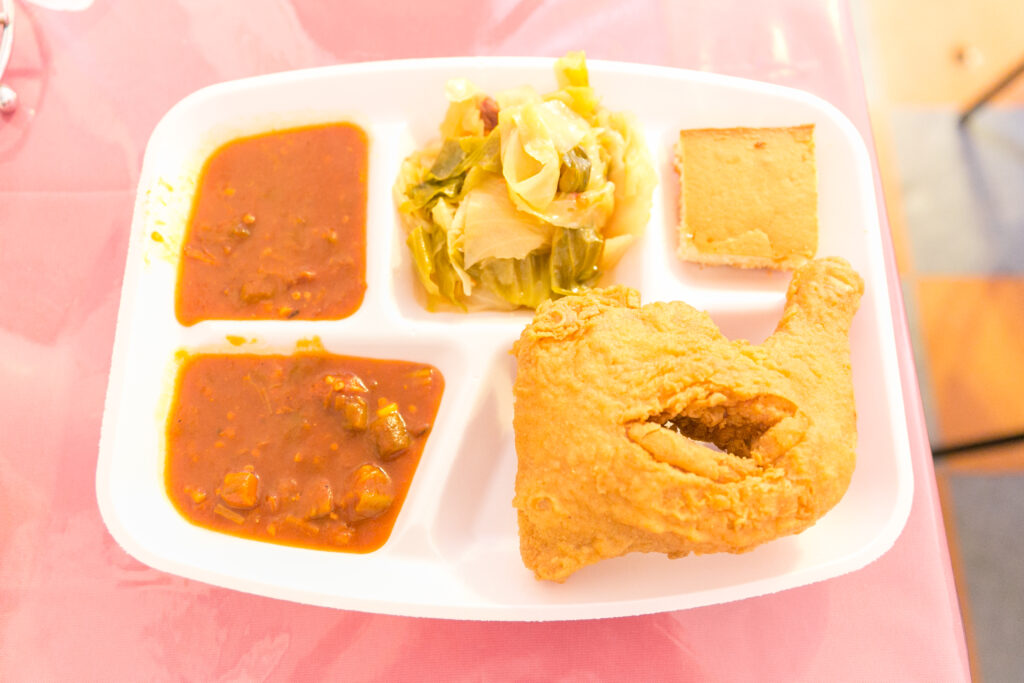
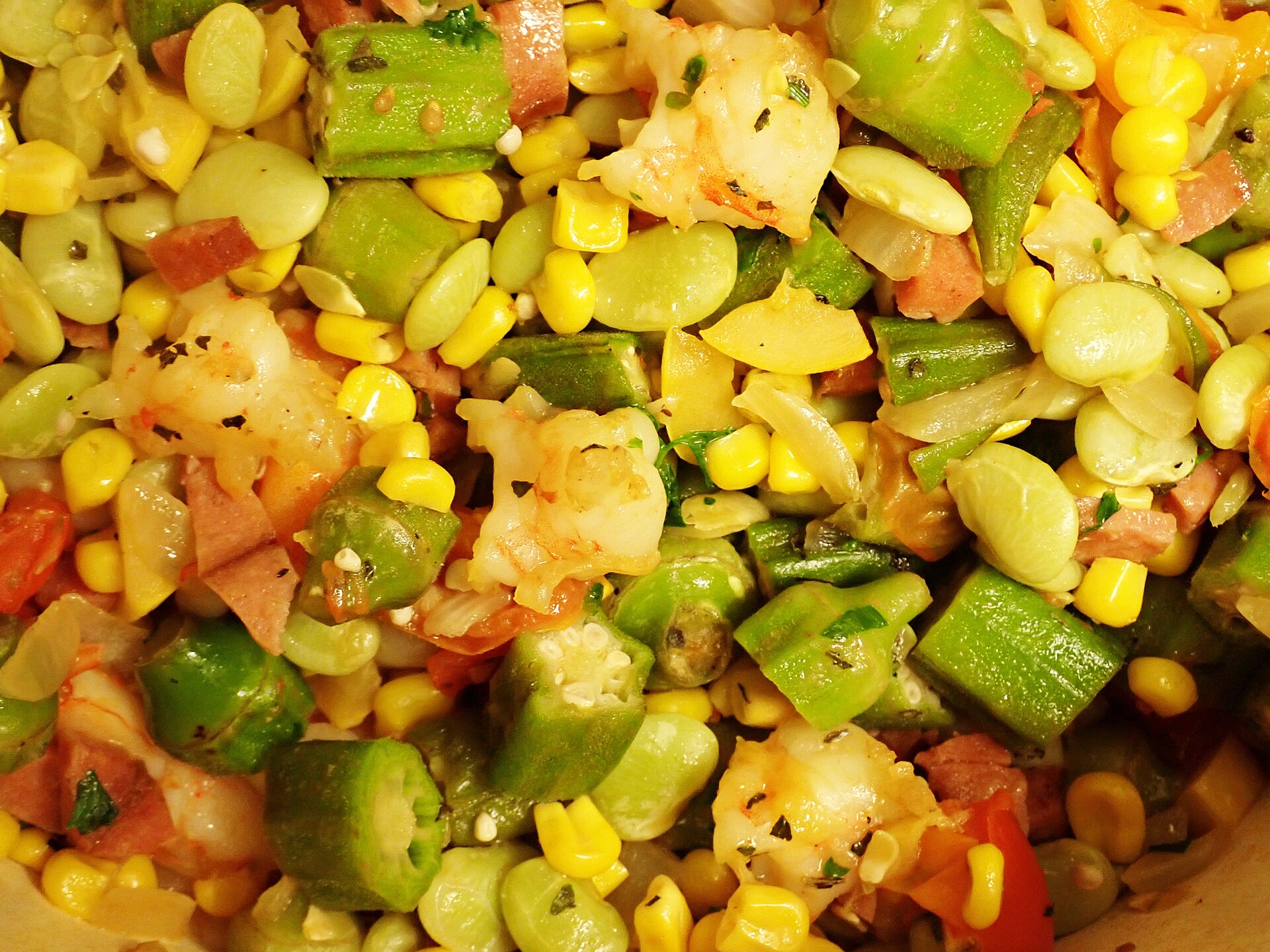
Succotash, at its core, is corn and lima beans cooked together, an Indigenous dish adapted and served widely across American regional cooking for generations before it became closely associated with a specific Thanksgiving tradition. Its decline tracks the broader decline of fresh lima beans in the American grocery store: frozen and canned versions exist but rarely match the texture of fresh beans in season, and once fresh lima beans became harder to find reliably, many households simply stopped making the dish rather than settling for a lesser version.
An updated version leans into what is actually available: frozen baby lima beans, which hold their texture far better than canned, sautéed with fresh corn cut straight off the cob, a diced red bell pepper for color and a little sweetness, and a finish of butter, a splash of cream, and fresh thyme rather than the heavier bacon fat some older versions relied on exclusively. The dish comes together in under twenty minutes and needs no oven space at all, a real advantage on a crowded Thanksgiving stovetop.
Making succotash without settling for canned beans
Frozen baby lima beans, simmered in salted water for about eight minutes until just tender, hold their shape and creamy interior far better than canned lima beans, which often arrive already overcooked and mushy from the canning process itself. Draining and briefly sautéing them in butter before adding the corn crisps their exterior slightly, adding a texture that plain boiled beans lack entirely.
Fresh corn, cut directly off the cob rather than a canned or frozen substitute, makes a noticeably bigger difference in this particular dish than it does in many others, since the corn’s natural sweetness and the milky liquid released when cutting it from the cob both contribute meaningfully to the finished sauce. When fresh corn is out of season, a good quality frozen corn is the more reasonable substitute, well ahead of canned.
Ambrosia, and why fruit salad used to mean something different
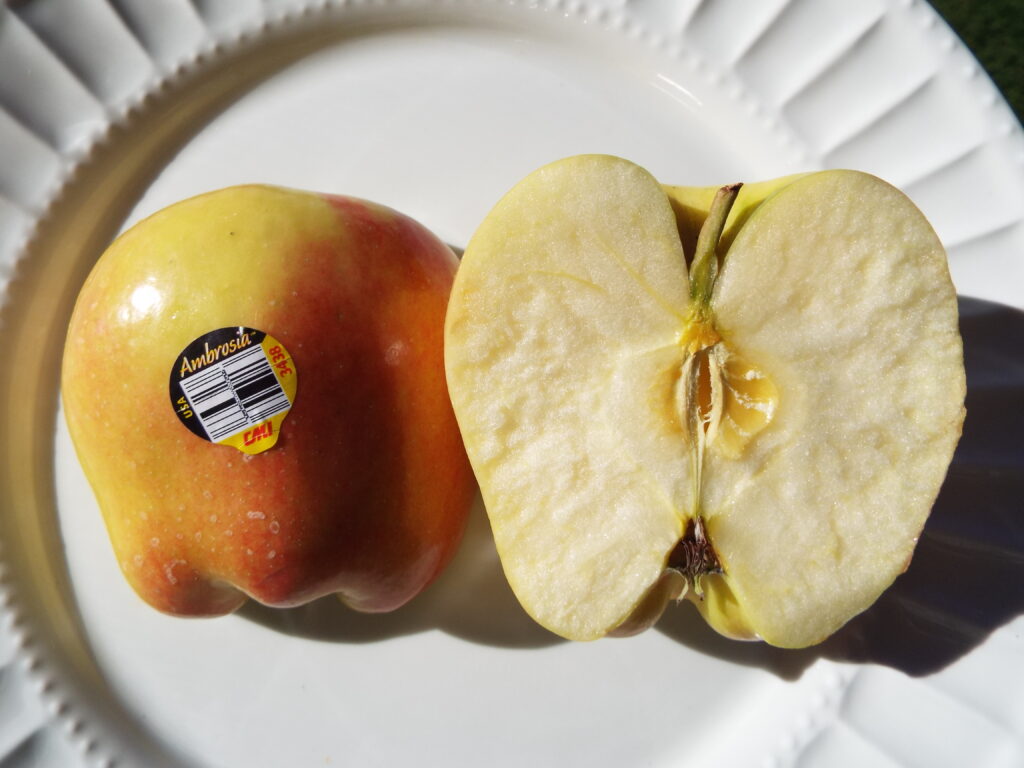
Ambrosia salad, built on citrus segments, shredded coconut, and often marshmallows and a bit of sour cream or whipped topping, occupied a strange middle position on the mid-century American table, served alongside the savory dishes rather than as a dessert, functioning almost as a palate cleanser between rich courses despite being distinctly sweet itself. Its decline tracks a broader move away from that specific style of mayonnaise or marshmallow-bound “salad” that also affected dishes like Waldorf salad and various molded gelatin dishes from the same era.
Unlike creamed onions and succotash, ambrosia never fully disappeared everywhere, and it remains a genuine point of regional pride in parts of the South, where family versions are still argued about with real intensity regarding whether marshmallows belong, whether it should include pecans, and how finely the coconut should be shredded.
An ambrosia worth making again
A modernized version keeps the citrus and coconut, which hold up well against a rich holiday meal for the same palate-cleansing reason the original worked, but lightens the binder considerably: fresh orange and grapefruit segments, unsweetened shredded coconut, a handful of pomegranate seeds for color and a tart pop, and a light dressing of plain yogurt and a touch of honey rather than a full cup of marshmallows and sour cream.
This version keeps the dish’s original function, something bright and cool between richer courses, while dropping the ingredients most responsible for its decline in popularity, the heavy marshmallow and mayonnaise-adjacent dressing that reads as dated to most modern palates encountering the dish for the first time.
Where these three fit on a modern table
| Dish | Role on the table | Effort level today |
|---|---|---|
| Creamed onions | Rich vegetable side | Moderate, mostly the peeling |
| Succotash | Corn and bean side | Low, under 20 minutes |
| Ambrosia | Palate cleanser between courses | Low, no cooking required |
None of the three demands a significant time investment once made with modern shortcuts, frozen pearl onions, frozen lima beans, and pre-segmented citrus where needed, which suggests effort was never really the barrier to keeping them on the table. Familiarity and changing taste did more of the work in pushing them off than difficulty ever did.
Reviving one without overhauling the whole menu
Bringing back all three at once on a table that has not seen any of them in a generation risks overwhelming guests with unfamiliar dishes at a meal where most people want at least some predictability. Choosing one, the one with the most personal or regional connection to a particular household, and introducing it as a single addition tends to land better than resurrecting the whole trio simultaneously.
Succotash is the easiest entry point for most modern tables, since it reads simply as a vegetable side rather than carrying the more dated associations that ambrosia in particular can bring for guests who remember an older, heavier version of it unfavorably.
Introducing the dish by name, rather than serving it quietly and hoping nobody asks, also tends to work in its favor. A brief mention that a dish was once standard on tables a generation or two back tends to invite curiosity rather than skepticism, turning a potentially unfamiliar side into a small piece of conversation at the table.
Why regional pride kept ambrosia alive where the other two faded
Ambrosia’s survival in parts of the South, while creamed onions and succotash faded more broadly across the country, is worth examining on its own, since all three dishes faced a similar mid-century decline in general popularity. What kept ambrosia going in specific households and regions appears to be its status as a genuine point of family identity and argument, the kind of dish people defend a particular version of rather than treat as interchangeable with any other fruit salad.
Creamed onions and succotash, by contrast, rarely inspired the same fierce personal attachment to one specific version, which may have made them easier to quietly drop once a faster alternative vegetable side presented itself. A dish tied to family identity and argument, it turns out, survives changing taste better than one valued mainly for its flavor alone.
Sourcing what each dish actually needs today
Frozen pearl onions and frozen baby lima beans are both reliably stocked in the frozen vegetable aisle of most grocery stores year-round, which removes the seasonal scarcity that made both dishes harder to justify making a few decades ago. Fresh corn for succotash is best in late summer and early fall, which lines up conveniently with the run-up to Thanksgiving in much of the country, though a good frozen corn works nearly as well outside that window.
Citrus for ambrosia is actually at its best in the winter months, meaning the fruit for this dish is genuinely in season right around Thanksgiving and through the following months, unlike some other holiday produce that has to be shipped from further away to appear on a November table at all.
Frequently Asked Questions
Does succotash have to include lima beans specifically?
Traditionally yes, though some modern versions substitute edamame or a different white bean for anyone who dislikes lima beans’ particular texture. The corn is the less negotiable half of the pairing.
Can ambrosia be made a day ahead?
The citrus and coconut hold up for a day refrigerated, but add the dressing and any pomegranate seeds close to serving time, since the acid in citrus can make a dairy-based dressing separate if it sits too long.
Is the updated ambrosia still sweet like the original?
It is milder, leaning on the citrus’s natural sweetness and a touch of honey rather than marshmallows, but it retains the same basic character and cool, refreshing quality that made the original work at the table.
Why did creamed onions specifically fall out of favor compared to other vegetable sides?
Mostly the peeling. A roasted vegetable tray takes a fraction of the hands-on time, and once a faster alternative became the default, the extra effort creamed onions require became harder to justify for many households.
Are any of these three dishes difficult to make?
No. All three are within reach of a home cook with no special technique required. The barrier to bringing them back is unfamiliarity and habit rather than actual difficulty.
Sixty years is long enough for a dish to go from standard to unfamiliar without anyone deciding it should. All three are still exactly as good as they were, waiting for someone at the table willing to try them again.