Five bottles sit on the door of my pantry cupboard and a recipe almost never says which one it means. It says vinegar, or at best red wine vinegar, and leaves the rest to whatever the cook happens to own. That is how a dressing built for rice vinegar ends up made with sherry, at nearly double the acid, and tastes like a mistake nobody can locate.
The number that would settle it is printed on the label and almost nobody reads it. Sherry vinegar carries about seven percent acetic acid. Japanese rice vinegar carries a little over four. Between those two ends sit cider, malt, and balsamic, and the last of those brings a load of sugar that changes the arithmetic entirely.
What follows is the five of them measured on the two things that decide a swap: how hard the acid hits, and how much sugar rides along with it. Then the dishes each one was actually built for, the pair you can trade, and the three you cannot.
- The spread: about 4 percent at the rice end, about 7 percent at the sherry end
- The sweet outlier: balsamic, where cooked grape must does more work than the acid
- Interchangeable: cider and rice, with the dose adjusted
- Not interchangeable: sherry, balsamic, malt, each for a different reason
- Best value on the shelf: supermarket sherry vinegar, because the rules behind it set a floor
- Shelf life: effectively indefinite unopened, and flavor fades long before anything else happens
The five types of vinegar cooking guides treat as one bottle
Acidity is printed as a percentage, which means grams of acetic acid per hundred milliliters. Sugar is not printed at all on most bottles, so it has to be read off the ingredient list. Those two numbers explain nearly every substitution that goes wrong.
| Bottle | Typical acidity | Sugar | Built for |
|---|---|---|---|
| Rice, unseasoned | About 4 to 4.5 percent | None | Cucumber, dipping sauces, quick pickles |
| Cider | About 5 percent | Trace | Pork, cabbage, greens, barbecue sauce |
| Malt | About 5 percent | None | Fried fish, chips, pickled onions |
| Balsamic of Modena | 6 percent minimum | High | Finishing, roasted vegetables, hard cheese |
| Sherry | 7 percent minimum | None | Gazpacho, pan sauces, lentils, almond dishes |
The gap between the top and bottom rows is close to seventy-five percent more acid in the same spoonful. No amount of tasting will correct for that after the fact, because by the time a dressing is too sharp the oil is already in it.
What the percentage on the label actually controls
In the United States a product sold as vinegar is generally expected to carry at least four grams of acetic acid per hundred milliliters, which is where the four percent floor comes from. Above that, categories set their own minimums, and protected names set high ones.
Treat it as a dosing instruction rather than a quality score. If a dressing was written for rice vinegar and sherry is what is open, use roughly two-thirds as much and taste before adding oil. Going the other way, from sherry to rice, add about half again and expect a softer edge no matter what.
Acidity also governs how a vinegar behaves in heat. A high-acid vinegar reduces to something aggressive and thin, while a sweeter one thickens as its sugar concentrates. That difference is why balsamic can be simmered into a glaze and sherry cannot, and why the same two tablespoons in a pan produce completely unrelated results.
Sherry: seven percent, and the fix for a sauce that reads flat
Vinagre de Jerez comes from the same triangle of towns in Andalusia that makes the wine, from palomino and Pedro Ximenez grapes, aged in used American oak through a solera system that blends older barrels into younger ones. The protected designation sets a minimum of seven percent acidity and a minimum time in wood.
The result is dry, oxidative, and nutty in a way no other vinegar on this list is. It reads as savory rather than fruity, which is why it disappears into a sauce instead of sitting on top of it. A tablespoon into a pan of chicken drippings does more for the plate than any amount of extra salt.
It belongs in gazpacho, in a warm lentil salad, over roasted peppers, and anywhere paprika or almonds are already present. Reserva has spent at least two years in barrel and Gran Reserva considerably longer; both are worth the step up for anything raw, where the wood shows. When a finished sauce tastes correct but somehow dull, this is the bottle that usually explains why, and it works the same way the quiet ingredients behind a good sauce generally do.
Rice vinegar, and the seasoned bottle that is not the same thing
Japanese rice vinegar is the mildest bottle in most kitchens, usually a little over four percent, with a clean and slightly sweet finish that comes from the grain rather than added sugar. It is the one to reach for when the acid needs to sit underneath everything instead of announcing itself.
The trap is the word seasoned. A seasoned rice vinegar has sugar and salt already stirred in, in quantities the label rarely specifies, because it is sold as a shortcut for sushi rice. Using it in a vinaigrette without accounting for that produces a dressing that tastes oddly candied, and no amount of extra oil hides it.
Chinese black vinegar, usually sold as Chinkiang, is a separate category rather than a variation. It is brewed from glutinous rice and often wheat bran, comes out dark and malty and faintly smoky, and behaves nothing like the pale Japanese bottle. Keep both if the kitchen leans that way, but never swap one for the other.
Cider vinegar is a fruit vinegar wearing a pantry label
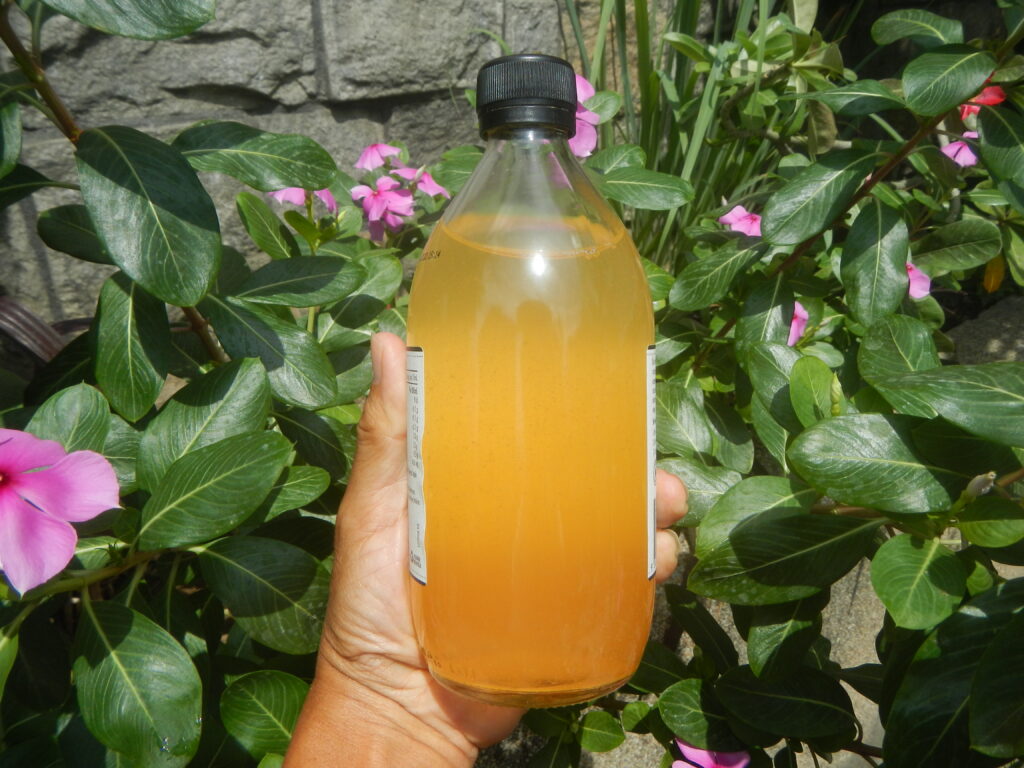
It is fermented from apple cider, twice: sugar to alcohol, then alcohol to acid. Around five percent, with a faint apple character that survives the second fermentation and shows up most clearly in things that are not cooked for long.
That fruit note is why it belongs with pork, with braised cabbage, in a pot of long-cooked greens, and in barbecue sauce, where it is doing the same job the apple in a pork dish would do. It is also the vinegar most people already own, which makes it the practical default for coleslaw and for deglazing anything that came off a pig.
Unfiltered bottles are cloudy and carry the mother, a soft mat of cellulose and bacteria. It changes nothing about how the vinegar cooks. It does matter in one specific case: raw or homemade vinegars have an acidity nobody has measured, so they are the wrong choice for pickling, which is a subject with its own rules under any fermentation project run at home.
Balsamic: two products, one word, and a very large price gap
Aceto Balsamico Tradizionale, from Modena or Reggio Emilia, is cooked grape must and nothing else, moved through a series of shrinking barrels for a minimum of twelve years and often far longer. It arrives in a small bottle, pours like syrup, and costs what a decent bottle of wine costs. It never goes in a pan.
Balsamic Vinegar of Modena, the one in every supermarket, is a different legal product: wine vinegar blended with cooked or concentrated grape must, minimum six percent acidity, sometimes with a small amount of caramel color, and aged for as little as a couple of months. It is not a fake, it is a separate category that happens to share most of a name.
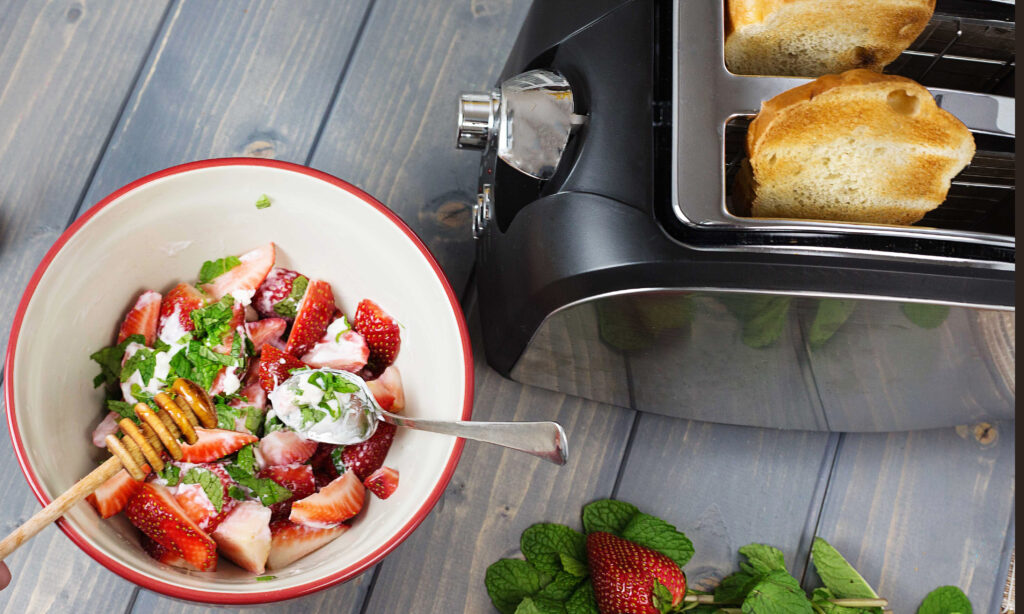
Read the ingredient list rather than the front label. If wine vinegar is listed first, that is the everyday product and it should be used accordingly: reduced into a glaze, brushed onto roasting vegetables, spooned over strawberries or a wedge of hard cheese. Its sugar makes it a poor base for a plain vinaigrette, where it turns the whole dressing sticky.
Malt, and the narrow job it does better than anything else
Malt vinegar starts as barley, malted and brewed into an unhopped ale, then acetified. It lands around five percent and carries a bready, faintly caramel note that no wine or fruit vinegar has. In Britain the bottle on the chip shop counter is often not vinegar at all but non-brewed condiment, which is diluted acetic acid with caramel coloring and legally cannot use the name.
Its range is short and it is excellent inside that range. Fried fish, chips, pickled onions, a ploughman’s plate, and, less obviously, roasted parsnips and carrots, where the malt note reads as sweetness. It also makes a good deglazing liquid for beef and onions.
One practical caution: it is made from barley. Whether malt vinegar is acceptable on a strict gluten-free diet is handled differently by different national food authorities, so anyone avoiding gluten for medical reasons should check the guidance that applies where they live rather than assume either answer.
The two that trade places, and the three that refuse
Cider and unseasoned rice vinegar are the pair. Both are mild, neither carries a dominant flavor of its own, and the only real adjustment is arithmetic: rice is weaker, so use a little more of it, and cider is stronger, so pull back slightly. In a slaw, a cucumber salad, or a quick pickle, most people will not identify which one was used.
The other three each fail for a different reason. Sherry fails on strength and character together, at seven percent with a nutty backbone that walks straight over anything delicate. Balsamic fails on sugar, which changes browning, changes balance, and turns a vinaigrette into a syrup. Malt fails on association, since its flavor is so tied to fried food that it drags the whole dish somewhere unintended.
The honest version of the rule is that swapping between mild vinegars is a dosing problem and swapping across categories is a recipe rewrite. If sherry is standing in for balsamic on roasted vegetables, sugar or honey has to come along with it or the plate will taste thin.
Bottle to dish, with the amount for four people
Quantities below assume four servings and a starting point rather than a final answer, since brands within a category vary more than the categories do.
| Dish | Bottle | Amount | When it goes in |
|---|---|---|---|
| Vinaigrette for bitter greens | Sherry | 1 tablespoon to 3 of oil | Whisked first, oil last |
| Cucumber and onion salad | Rice | 2 tablespoons plus 1 teaspoon sugar | Twenty minutes ahead |
| Braised red cabbage | Cider | 2 tablespoons, then 1 more | Start of the braise, and again at the end |
| Roasted carrots or strawberries | Balsamic of Modena | 1 teaspoon per plate | Off the heat, never in the oven |
| Fried fish and chips | Malt | Unmeasured | At the table |
| Chicken pan sauce | Sherry | 2 tablespoons | Into the hot fond, before stock |
The pattern worth taking from the table: sweet vinegars go on at the end and dry ones can go in at the start. Heat concentrates sugar faster than it concentrates acid, which is why balsamic in a hot oven turns bitter and burnt while the same spoonful added afterward tastes correct. The same logic governs most decisions about what to put on a salad that is not just oil and lemon.
The cheap bottle that outperforms what it costs
Supermarket sherry vinegar, the kind carrying the Jerez designation, is the best value of the five and it is not particularly close. The reason is structural rather than lucky: the protected name sets a minimum acidity and a minimum time in barrel, so even the entry-level bottle has to clear a bar before it can use the word.
Compare that with balsamic, where the everyday category has no meaningful floor on age or on how much grape must is in the blend. A bottle at the same price can be genuinely good or can be wine vinegar with coloring, and the label is the only way to tell them apart.
If the pantry is being built from nothing, the order that gets the most range for the least money is sherry first, cider second, unseasoned rice third. Balsamic and malt are both worth owning and neither one is doing much work outside its narrow lane.
Storage, sediment, and the mother at the bottom
Acidity is its own preservative. An unopened bottle of vinegar keeps effectively indefinitely, and an opened one loses aroma slowly over a year or two without becoming unsafe. Cap it tightly, keep it out of direct sun and away from the stove, and leave it in glass rather than decanting into a reactive metal container.
Cloudiness, floating strands, or a rubbery disc forming near the surface are the mother reestablishing itself. It is harmless. Strain it out through a coffee filter if it bothers the look of the bottle, or ignore it, which is what most people who cook with unfiltered vinegar do.
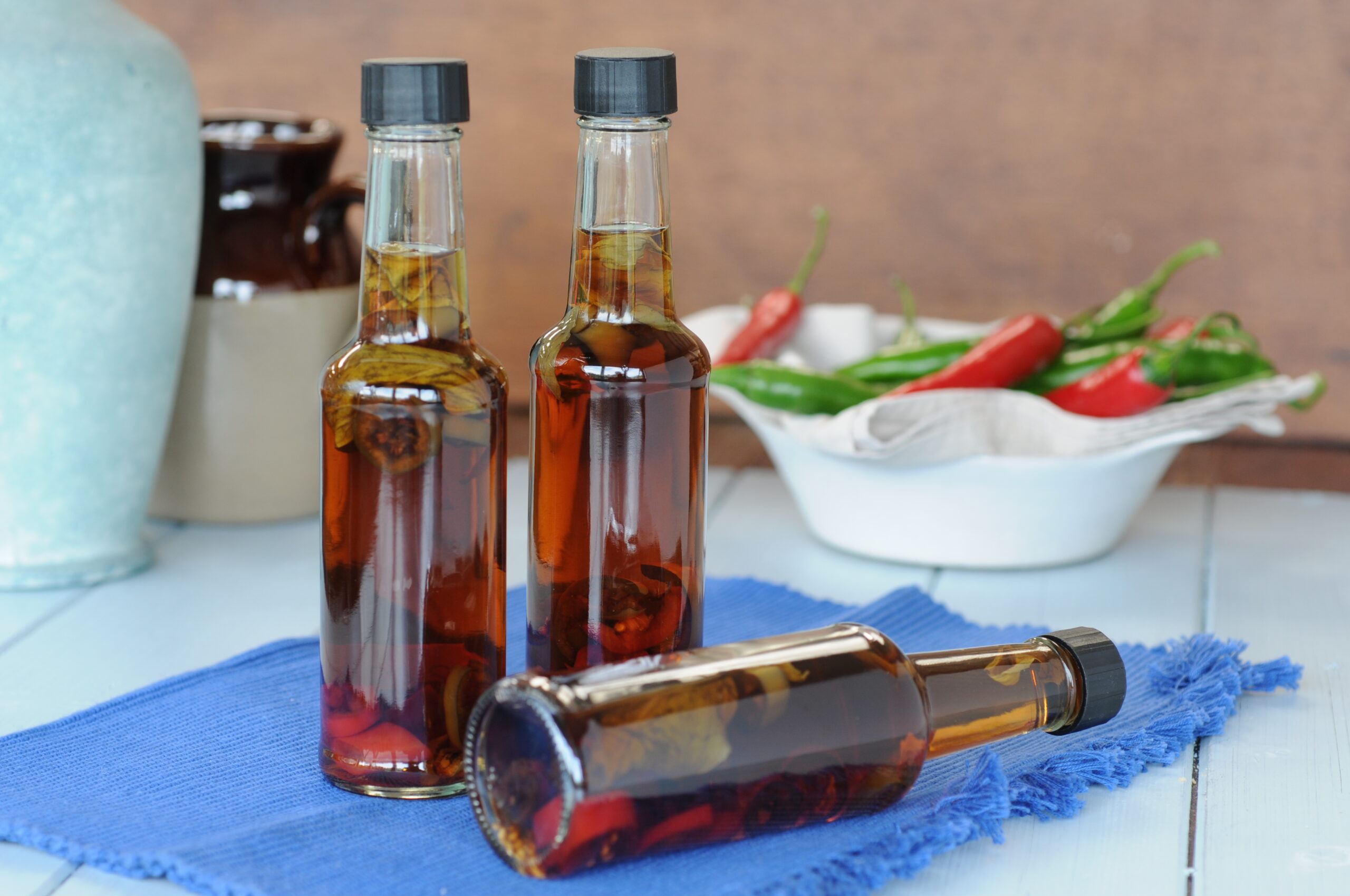
Infusing is where care is genuinely needed. Adding fresh garlic, herbs, chilies, or fruit dilutes the acid and introduces low-acid material, so an infused bottle belongs in the refrigerator and should be used within a few months rather than left on a warm shelf. For canning or pickling, use commercially produced vinegar of a stated five percent and follow a tested recipe, since the acidity is what makes the jar safe, a point covered by public food safety guidance on home preserving.
Frequently Asked Questions
Can I use plain white distilled vinegar in place of any of these?
For pickling and cleaning, yes, and it is usually the better choice because its acidity is consistent and stated. For anything where the vinegar is tasted directly, no. Distilled white has acid and nothing else, so it sharpens a dish without adding to it, and in a vinaigrette that absence is obvious.
Does vinegar expire?
Not in any practical sense. The acid prevents the growth that spoils other liquids, so the failure mode is fading aroma rather than anything harmful. A bottle open for three years will taste flatter and duller than a fresh one, which is a reason to buy small bottles of the expensive ones.
What is the cloudy blob in my cider vinegar?
The mother, a colony of acetic acid bacteria bound up in cellulose. It forms when a bottle sits with air in it and it is safe to eat, strain out, or use to start another batch. Its presence says nothing about the quality of what is around it.
Is a twelve-year balsamic worth the price?
Only if it is used the way it was designed to be, in drops on a plate of aged cheese, on strawberries, or over a piece of grilled meat at the table. Cooking with it destroys everything the twelve years produced. For anything that touches heat, the supermarket bottle does the job better and costs a fraction as much.
If I only buy one bottle, which one?
Sherry, if the cooking leans savory, because it makes salad dressings, pan sauces, soups, and bean dishes all better and needs no help. Cider is the better single choice for a kitchen that cooks a lot of pork, cabbage, and greens, and it is cheaper.
Line the five up and taste a drop of each on the back of a spoon before deciding anything. The differences are obvious in isolation and invisible once the oil is in, which is why so many dressings end up nowhere in particular.