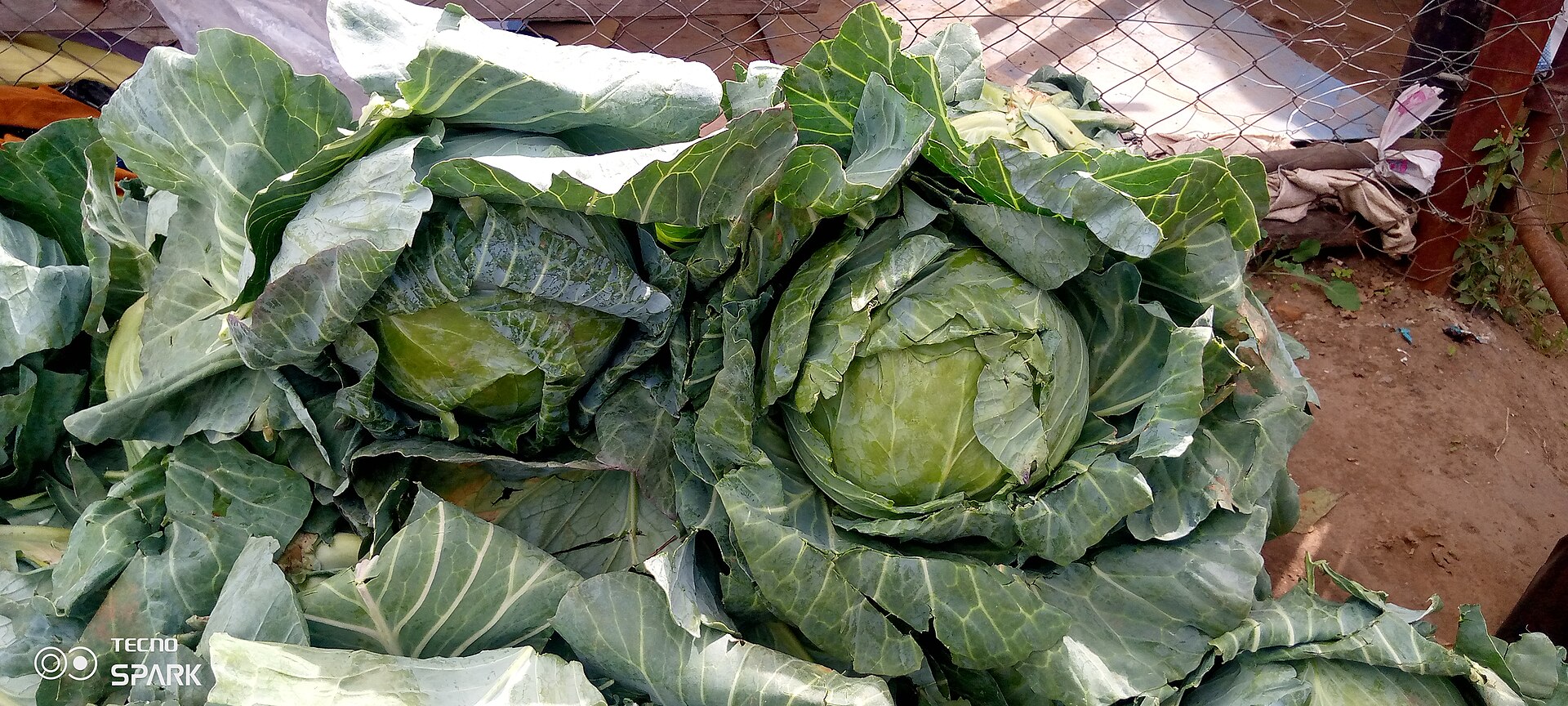
A three-pound head of green cabbage is routinely the least expensive thing in the produce aisle from the first cold week of September through the end of March, and it is not close. It also holds in a refrigerator drawer for weeks while the salad greens next to it liquefy in four days. On cost per meal it beats every vegetable in the store.
The reason nobody cooks it as dinner is that most of us learned exactly one method, and that method was boiling. Boiled cabbage is where the reputation came from: gray, limp, and smelling of the entire building. Almost nothing about that outcome is the vegetable’s fault.
Cabbage does two things extremely well. It takes dry high heat and turns sweet and nutty at the edges, and it takes long moist heat under a lid and turns silky. What it cannot survive is the middle, which is precisely where boiling sits. Below are four methods that avoid it, each one built to feed four people as the main thing on the plate.
- Four methods: roasted wedges, a braised half, a charred quarter with sauce, and a raw slaw with weight
- One head: three pounds feeds four people twice, whichever method you pick
- The two temperatures: 425 degrees and up for dry heat, or a covered pot below a simmer
- Cut through the core for wedges and halves. It is the only thing holding them together
- Keeps: a whole head for weeks in the crisper, a cut half about a week wrapped
- What makes it dinner: a protein anchor and a sauce with actual body, never a squeeze of lemon
Why cabbage gets cheap in September and stays that way
Cabbage is a cool-season crop that sizes up in autumn and stores through winter without refrigeration tricks, which is why it fed northern Europe and the northern United States for centuries before anything else did. Supply peaks in fall, storage extends it through March, and the price sits low the entire time.
Density is the other half of the economics. A head is solid, so the pound you pay for is almost entirely edible, unlike a bag of greens that is mostly air and water. Trim losses are small: a few outer leaves and, if you insist, the core, though the core is perfectly good sliced thin.
Storage turns that into real savings. Vegetables are cheap in the store and expensive in the trash, and cabbage is the rare one that waits for you. Buying a head on Saturday and cooking half of it the following Thursday is normal, which is the argument behind shopping by what the season is producing.
Five cabbages, and which method each one wants
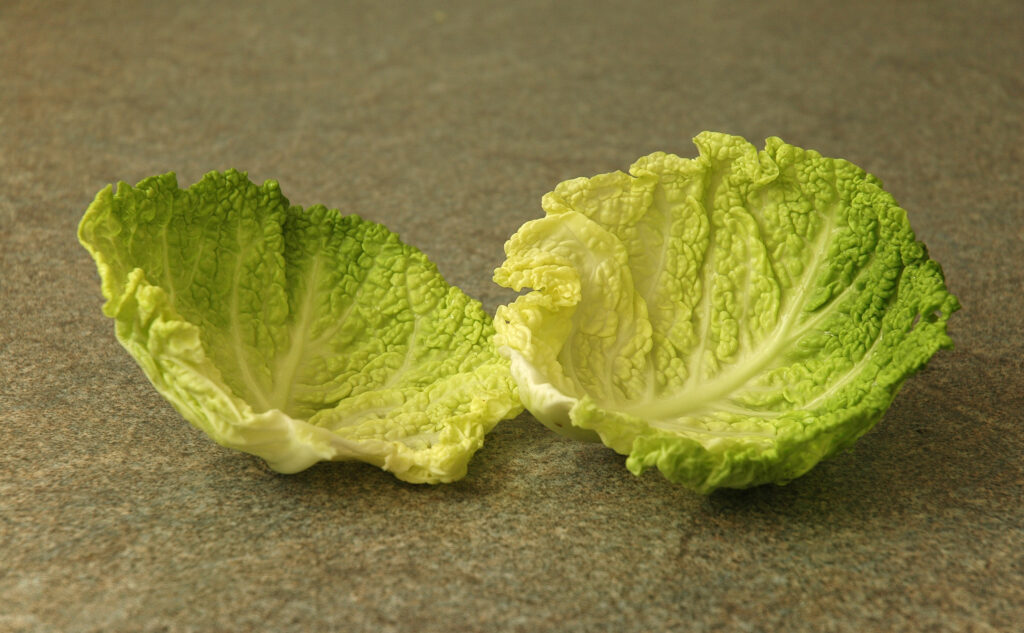
They are not interchangeable, and picking the wrong one is behind most disappointing results. The variable is density: how tightly the leaves pack and how much water they carry.
| Type | Texture | Best method | Avoid |
|---|---|---|---|
| Green, ballhead | Dense, tight, sturdy | Roasting, braising, charring, slaw | Nothing, it does everything |
| Savoy | Crinkled, looser, tender | Braising, wilting, stuffed leaves | High dry heat, it scorches |
| Red | Dense, slightly tougher | Braising with acid, raw slaw | Pale sauces, it bleeds |
| Napa | High water, thin leaves | Raw, quick stir-fry, fermenting | Roasting, it steams itself |
| Pointed or sweetheart | Tender, sweet, thin ribs | Charring, fast sauteing | Long braises, it collapses |
If only one head is going in the cart, make it plain green. It is the cheapest of the five, it handles all four methods below, and it is the one that keeps longest. Savoy is worth buying deliberately when the plan is a braise, since its looser structure drinks liquid the tight varieties resist.
The smell problem is a timing problem
Cabbage belongs to the brassica family and carries sulfur compounds that stay locked up until heat and time break them apart. The volatile results are what people mean when they say a house smells like cabbage, and the release is not steady. It climbs the longer the vegetable spends in the moderate range.
Which means the fix is at both ends. Cook it fast and hot, roasted or charred in under half an hour, and the surface browns before much of anything volatile has been released. Or cook it long, covered, in fat and a little acid, and the compounds break down further into things that read as sweet rather than sulfurous.
The failure zone is a pot of boiling water for twenty-five minutes with the lid half on. That is maximum release, maximum water contact, and no browning to compensate, and it is the method most of us inherited. Simply not doing that solves the problem people think is inherent to the vegetable.
Four cabbage main dish recipes from one head
Each of these is scaled for four people and each treats cabbage as the center of the plate. The full head splits neatly: half to wedges, a quarter charred, and a quarter shredded raw, or one method used across the whole thing.
| Method | Time | Heat | Protein anchor |
|---|---|---|---|
| Roasted wedges | 30 minutes | 425 dry | White beans, sausage, or a jammy egg |
| Braised half | 60 minutes | 350 covered | Lentils, bacon, or ricotta |
| Charred quarter | 15 minutes | Screaming hot | Tofu, chickpeas, or shredded chicken |
| Raw slaw | 30 minutes, mostly waiting | None | Chickpeas, peanuts, feta, or eggs |
The step that runs through all four: cut through the core for anything that needs to hold its shape. The core is the only structure a wedge or a half has, and cutting around it produces a pile of loose leaves instead of a piece of food you can put on a plate.
Roasted wedges, cut through the core
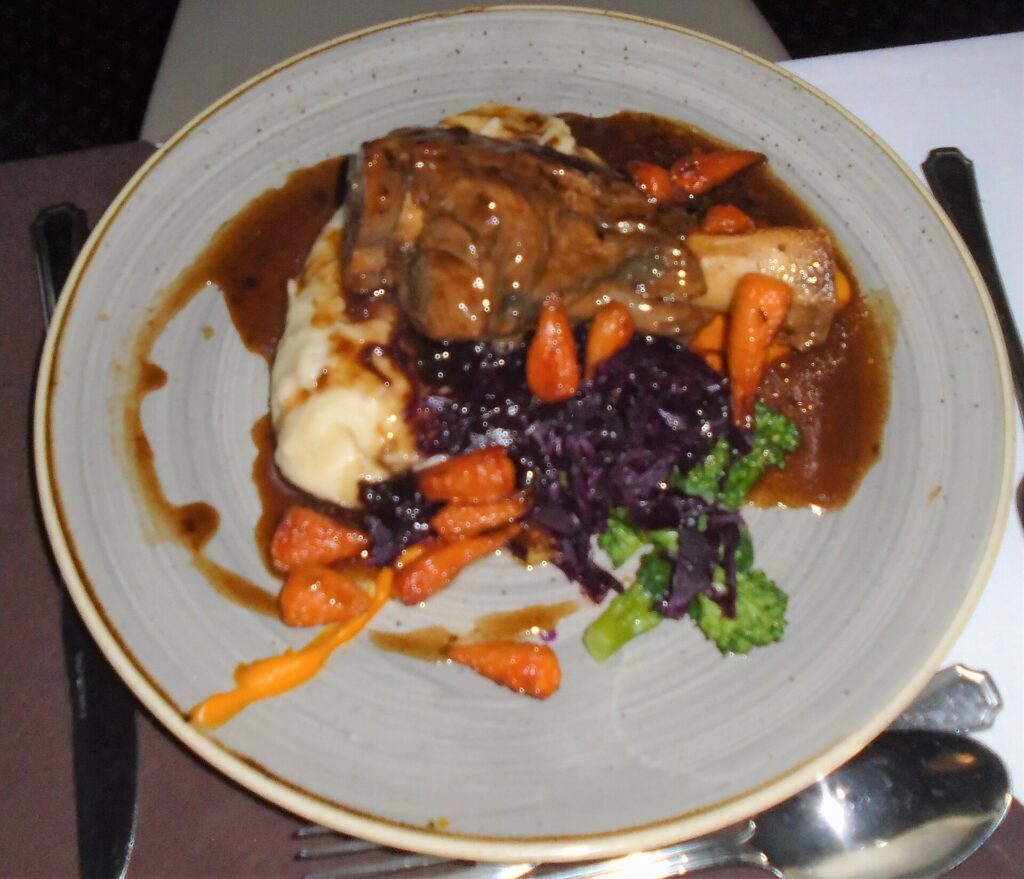
Halve the head through the stem, then cut each half into wedges an inch and a half thick, every cut passing through the core. Six to eight wedges from a medium head. Brush both cut faces generously with olive oil, more than feels reasonable, and salt them.
Onto a sheet pan, one cut face down, into a 425 degree oven. Twenty minutes on the first side, then flip and give them ten to twelve more. The faces should be genuinely browned in patches, the outer leaves dark and crisp at the edges, the core soft when a knife goes in.
Underseasoning is the usual failure and underdressing is the second. These need something at the end: crumbled feta and toasted walnuts, a mustard vinaigrette, or a spoonful of yogurt with lemon and garlic. Add a can of drained white beans to the pan for the last ten minutes and it is dinner, or lay a coil of sausage alongside and let the fat run over everything.
The braised half, cut side down first
This is the slowest and the best of the four. Cut the head in half through the core and put both halves cut side down in a heavy ovenproof pan with a good amount of butter or olive oil over medium-high heat. Leave them alone for six to eight minutes until the flat face is deeply browned.
Then add liquid to come about an inch up the sides: stock, hard cider, or water with a splash of vinegar. Aromatics go in now, a few smashed garlic cloves, a bay leaf, a teaspoon of caraway or fennel seed. Cover the pan and put it in a 350 degree oven for forty-five to fifty-five minutes.
What comes out is silky the whole way through and holds together enough to cut into portions. Reduce the remaining liquid on the stove for a few minutes and pour it over. Lentils simmered in that same liquid make it a full plate, and a spoonful of ricotta or thick yogurt on top does the same job in less time.
The charred quarter, and four sauces for it
Quarter the head through the core. Get a cast iron pan or a grill as hot as it goes, oil the cut faces, and press each quarter down onto the heat for three to four minutes a side until parts of the surface are genuinely black. Not brown, black. Then cover the pan or move to indirect heat for five minutes to soften the middle.
The blackened part is the flavor and it is worth trusting. Cabbage carries enough sugar to take real char without turning acrid, and the contrast between the burnt outer leaves and the sweet steamed interior is the entire dish. The sauce does the rest.
- Peanut and lime. Peanut butter, lime juice, soy, a little chili, thinned with hot water.
- Yogurt and tahini. Thick yogurt, tahini, grated garlic, lemon, salt. Pale, cool, and the easiest of the four.
- Gochujang butter. Softened butter beaten with gochujang and a little honey, melted over the hot quarters.
- Salsa verde. Parsley, capers, anchovy, garlic, olive oil, red wine vinegar, all chopped by hand.
Any of these makes the plate a meal alongside chickpeas, crisped tofu, or the last of a roast chicken pulled into shreds.
Raw slaw with enough substance to be dinner
Raw cabbage as dinner fails when it is treated as lettuce. Two changes fix it. First, shred it fine on a mandoline or with a sharp knife, then salt it with about a teaspoon per pound and let it sit in a colander for twenty to thirty minutes. It will release a startling amount of water. Squeeze it out with your hands.
Second, use a dressing with body. A thin vinaigrette slides off shredded cabbage and pools at the bottom of the bowl. Tahini and lemon, peanut and lime, yogurt and mustard, or mayonnaise cut with plenty of vinegar all have enough weight to cling. That is the difference between a side salad and a bowl worth eating.
Then build it out. A drained can of chickpeas, a handful of roasted peanuts or toasted sunflower seeds, chopped herbs by the fistful rather than the spoonful, thin-sliced apple or pear, and something salty like feta or crumbled cotija. Two soft-boiled eggs on top and it is a full plate. Salted and squeezed cabbage also holds dressed in the refrigerator for two or three days, which very little else does.
What turns any of these into a main course
Three components, and skipping any one of them is why vegetable dinners leave people hungry an hour later. A protein anchor, a fat with flavor, and something with crunch or acid on top.
The protein does not have to be meat. A can of white beans or chickpeas, a cup of cooked lentils, two eggs, a block of firm tofu pressed and crisped, or a hundred grams of feta all carry a plate. Cabbage itself brings fiber and volume but very little protein, and no amount of good cooking changes that.
The fat is where most home versions go thin. Olive oil brushed on properly, butter in the braise, tahini or peanut butter in the sauce, cheese at the end. Cabbage is close to fat-free and needs the fat to taste like a meal, which is the same principle that governs a pot of slow-cooked greens. Then acid or crunch on top so it does not read as one soft note.
One head, from the store to the last leaf
Pick a head that feels heavy for its size with tight, squeaky leaves and no browning at the cut stem. Loose outer leaves and a dry, split stem end mean it has been sitting. Weight relative to size is the reliable test, because a light head has lost water and will taste like it.
Whole heads go in the crisper drawer loosely bagged and keep for weeks, sometimes two months. A cut half wants plastic pressed against the exposed face and lasts about a week; when the surface dries or grays, shave a thin slice off and what is underneath is fine. Bagged shredded cabbage is the exception, and gets treated like any pre-cut produce.
Almost none of it is waste. The core slices thin and roasts or shreds into slaw, the tough outer leaves go into stock or line the bottom of a braising pan to keep the good part off the metal, and anything left over cooks down into soup. Between the price and the yield it is one of the strongest arguments for cooking with the whole vegetable.
Nutrition, and one caution worth naming
A cup of shredded raw cabbage runs around twenty calories, carries a couple of grams of fiber, and delivers a substantial share of a day’s vitamin C along with a large share of vitamin K. Red cabbage adds the anthocyanin pigments that give it color. None of that makes it a miracle food; it makes it a cheap vegetable with a good return.
The caution is the vitamin K. Anyone taking a vitamin K antagonist as a blood thinner is usually advised to keep leafy and cruciferous vegetable intake steady rather than to avoid it, because the medication is calibrated to a consistent diet. Adding a large amount of cabbage to a routine that did not previously contain it is a conversation to have with the clinician managing the prescription, not a reason to skip the vegetable.
The other common complaint is digestive. Brassicas carry sugars that many people ferment rather than absorb, and the result is predictable. Cooking reduces it considerably, which is one practical reason the braise suits some people better than the raw slaw, and the traditional habit of putting caraway, fennel, or ginger in the pot comes from the same observation. Wash the outer leaves before cutting, and treat cut cabbage the way produce storage guidance treats any other cut vegetable.
Frequently Asked Questions
Which cabbage should I buy if I am only buying one?
Plain green ballhead. It is the cheapest, it keeps the longest, and it is the only one of the five that handles all four methods here without complaint. Buy savoy on purpose when a braise is the plan, and napa when the plan is raw or a fast stir-fry.
How long does half a head last once it is cut?
About a week with plastic pressed directly against the cut face. The exposed surface oxidizes and grays first while the interior stays fine, so shave a thin layer off before using it rather than throwing the half away. A whole uncut head lasts several times longer.
Why does my cabbage smell so strong when I cook it?
Because it spent too long in the moderate range, which is almost always a pot of simmering water. The sulfur compounds release progressively with time and heat. Roast it hot and fast, or braise it covered with fat and a splash of acid, and the smell largely does not happen.
Can cabbage really be a main course without meat?
Yes, but only with a protein anchor added, since the vegetable itself has almost none. A can of beans, a cup of lentils, a couple of eggs, or crisped tofu will do it. Volume alone is not the same as a meal, and a plate of cabbage with nothing else will leave people hungry.
Is red cabbage nutritionally different from green?
Broadly similar on calories and fiber, with red carrying the anthocyanin pigments that green does not and generally more vitamin C. The bigger practical difference is behavior: red bleeds color into anything pale and needs acid in the pan to keep from turning a dull blue-gray.
Buy the head on Saturday and leave it in the drawer. It will still be there on Thursday when the plan for dinner has fallen apart, which is more than the bag of spinach next to it can promise, and roasted at 425 with beans and a spoonful of yogurt it takes half an hour.