Chili and stew both taste better the day after they are made, and most home cooks accept this as a kind of folk wisdom without asking why. Mashed potatoes and gravy, on the other hand, both come out of the refrigerator noticeably worse than they went in, gluey and separated in ways that no amount of reheating fully repairs. Why do leftovers taste different is not one question with one answer; it is several different chemical processes that happen to overlap on the same holiday table.
The pattern, once identified, is predictable rather than mysterious: dishes built on braised meat and a spiced liquid tend to improve overnight, as flavors continue melding and diffusing through the dish. Dishes built on starch or an emulsified fat tend to degrade, as their structure breaks down in ways that flavor alone cannot fix. Sorting each holiday dish into one category or the other explains most of what a plate of Thanksgiving leftovers actually does in the refrigerator.
- Improves overnight: chili, stew, braised meat, most soups
- Degrades overnight: gravy, mashed potatoes, green salad, fried or crispy dishes
- The mechanism for improvement: flavors continue diffusing through the dish as it rests
- The mechanism for decline: starch retrogradation, fat separation, and moisture loss
- Most fixable: gravy, with a whisk and some added liquid
- Least fixable: a wilted green salad, which cannot be reversed once it happens
Why do leftovers taste different: the two things that actually change overnight
Two separate processes explain almost every case of a dish tasting different a day later. The first is flavor diffusion: spices, aromatics, and dissolved compounds continue spreading more evenly through a dish’s liquid or fat as it sits, which is why a braise tastes more cohesive and rounded the next day than it did straight off the stove. The second is structural breakdown: starches, proteins, and emulsions physically change as they cool and reheat, sometimes in ways that improve texture and often in ways that do not.
A dish dominated by the first process tends to taste better with time. A dish dominated by the second tends to taste and feel worse, regardless of how well its flavors might otherwise be melding in the background.
Why does chili or stew taste better the next day?
A pot of chili or stew, refrigerated overnight, gives its spices, garlic, and aromatics far more time to distribute evenly through the liquid than the hour or two of active cooking allowed for, since flavor compounds continue moving from areas of high concentration to low concentration well after the pot leaves the heat. The result the next day tastes rounder and more unified, with fewer sharp, isolated notes and a generally deeper overall flavor.
This same mechanism explains why curries, braises, and most soups also taste better as leftovers: anything built on a well-seasoned liquid simmered around solid pieces of meat or vegetable benefits from the extra resting time in a way a drier dish simply cannot.
Why does gravy separate in the refrigerator?
Gravy is an emulsion, fat suspended in a starch-thickened liquid, and that emulsion is inherently unstable once it cools; the fat and liquid drift apart into visible layers or a grainy texture as the mixture sits refrigerated overnight. This is not spoilage, just physics, and it happens to nearly every gravy regardless of how carefully it was made the first time.
The fix is mechanical rather than chemical: reheat gravy gently over low heat, whisking constantly, and adding a small splash of stock or water to loosen it back into a cohesive sauce. A blender or immersion blender, run briefly through reheated gravy that refuses to re-emulsify by whisking alone, usually finishes the job.
Why does stuffing dry out faster than everything else?
Stuffing, built largely on bread that has already lost much of its own moisture during the initial bake, loses even more as it sits refrigerated, since bread continues releasing water into its surroundings through a process called staling that continues regardless of storage. Reheating it dry, without adding any liquid back, compounds this into stuffing that tastes noticeably more crumbly and dry than it did fresh from the oven.
A splash of stock or turkey drippings, drizzled over stuffing before it goes into the oven or microwave to reheat, restores much of the moisture lost overnight, the same corrective logic behind keeping extra stock on hand for the Southern cornbread dressing method, which faces the identical drying problem even on the day it is first baked.
Why does a green salad turn to mush overnight?
A dressed green salad wilts because salt and acid in the dressing actively draw water out of lettuce cells through osmosis, collapsing their structure over the course of several hours regardless of refrigeration. This process cannot be reversed once it has happened; a wilted leaf does not firm back up no matter how it is stored or handled afterward.
This is the one item on a holiday table genuinely not worth saving as a leftover in its dressed form; undressed lettuce, stored separately from the dressing, keeps considerably better and should be dressed fresh each time it is served rather than dressed once for the whole holiday.
Why does cranberry sauce taste sharper on the second day?
Cranberry sauce, unlike most of the dishes on this list, changes very little structurally overnight, since it contains no starch to retrograde and no fat to separate. Its sharper taste the next day is largely perceptual: served cold rather than freshly made and slightly warm, its acidity reads more prominently on a cold palate, an effect similar to how a cold glass of orange juice can taste sharper than a room-temperature one.
This is one of the few holiday dishes that genuinely does not need a fix, since most people consider the second-day version, chilled and slightly firmer, to be the correct way to eat it regardless of when it was actually made.
Why does mashed potatoes turn gluey when reheated?
Potato starch undergoes a process called retrogradation as it cools, where the starch molecules that gelatinized during cooking realign into a denser structure, squeezing out some of the moisture that made the potatoes fluffy in the first place. Reheating does not reverse this process completely, which is why reheated mashed potatoes so often come out gluey or gummy compared to a freshly made batch.
Adding a generous splash of warm milk or cream while reheating, along with a small additional pat of butter, and reheating gently rather than at high heat, restores some of the lost moisture and texture, though a reheated batch rarely matches a fresh one exactly no matter how carefully it is handled.
Why does turkey taste different reheated than fresh?
Turkey, particularly white meat, loses moisture during storage and reheating in the same basic way any cooked protein does, and a second round of heat pushes more moisture out of the muscle fibers than the first round did, which is why reheated turkey reads as drier even when it was carved from a perfectly moist bird the day before. This effect compounds with each subsequent reheating, which is part of why turkey is generally better used in a dish rather than reheated plain a second or third time.
Building leftover turkey into a bowl or a soup, where a sauce or broth adds moisture back directly, sidesteps this problem more effectively than any reheating technique applied to a plain, isolated piece of meat, the same logic behind the bowls covered in our piece on turkey as one component rather than the whole plate.
The pattern: starch, fat, and time decide the outcome
Laid out together, the six dishes above sort cleanly into two groups based on what they are built from rather than any single ingredient in particular. Dishes dominated by a well-seasoned liquid around solid pieces of protein or vegetable improve with time. Dishes dominated by starch, an unstable emulsion, or delicate raw produce decline with time, sometimes in ways that reheating can partially correct and sometimes in ways it cannot.
| Dish | Overnight direction | Why |
|---|---|---|
| Chili, stew, braises | Improves | Flavor diffusion through the liquid |
| Gravy | Declines, but fixable | Emulsion separates |
| Stuffing | Declines, but fixable | Bread continues losing moisture |
| Green salad | Declines, not fixable | Osmosis collapses the leaves |
| Cranberry sauce | Neutral | No starch or fat to break down |
| Mashed potatoes | Declines, partially fixable | Starch retrogradation |
Reheating leftovers safely, regardless of which direction they go
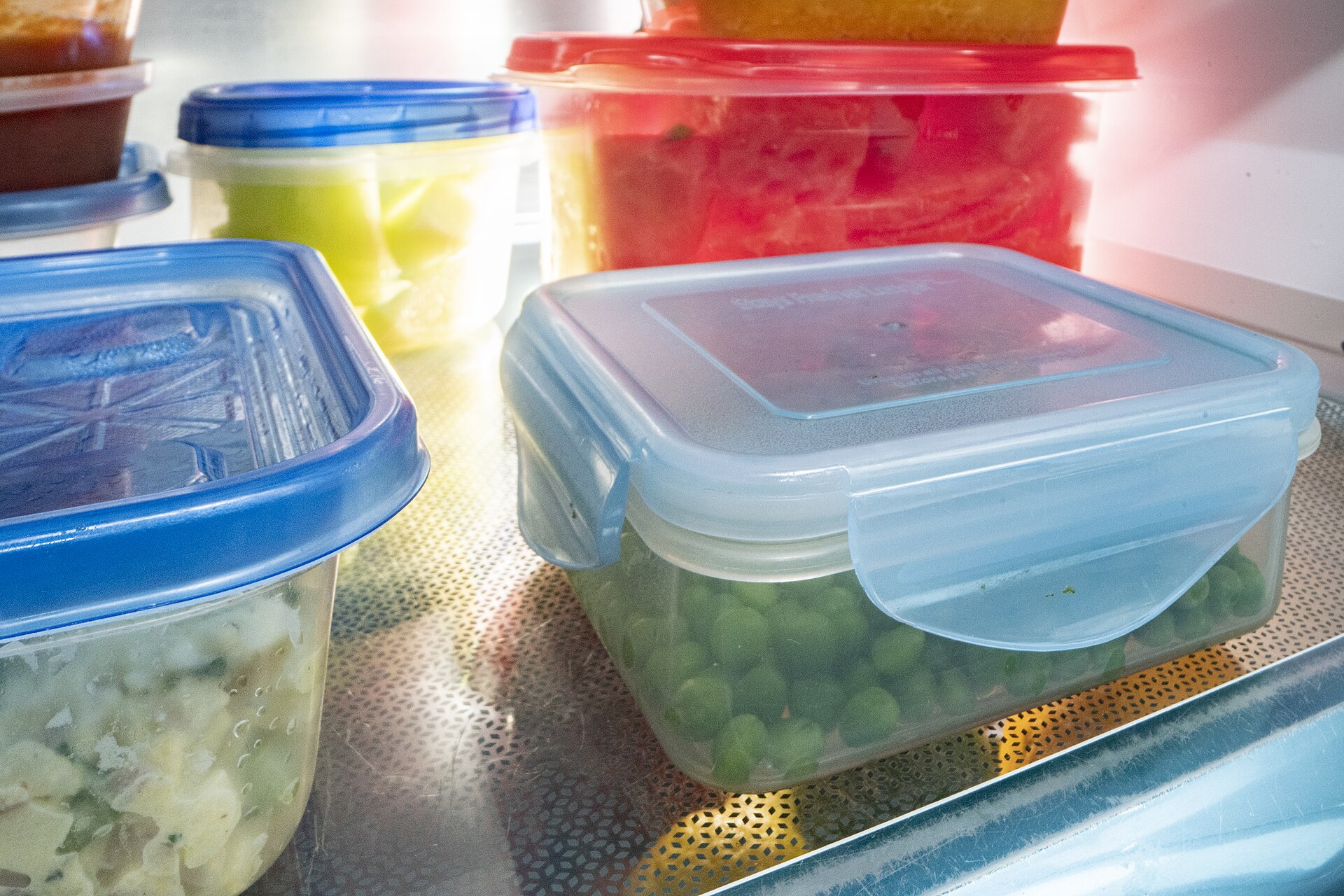
Every dish above, whether it improves or declines in flavor and texture, needs the same food safety treatment: cooled within two hours of the meal, refrigerated in a sealed container, and reheated to an internal temperature of 165 degrees Fahrenheit, checked with a thermometer if there is any doubt, before eating again. Flavor and texture changes are separate from safety, and a dish that tastes better the next day still needs to be handled exactly as carefully as one that has declined.
Most holiday leftovers keep safely in the refrigerator for three to four days, and anything not eaten within that window should move to the freezer rather than sitting in the refrigerator longer on the assumption that it still smells and looks fine.
Why does bread stuffing behave differently from a rice-based dressing?
A rice-based dressing, like the kind found on some coastal Southern tables, holds moisture somewhat differently than a bread-based one, since rice grains retain water within their own structure rather than relying on an absorbent, porous crumb the way bread does. This means a rice dressing tends to dry out slightly less dramatically overnight than a bread-based one, though it can still turn gummy on reheating if the grains were already fully hydrated before storage.
Adding liquid back during reheating still helps a rice dressing, though the amount needed is usually smaller than what a bread-based stuffing requires to reach the same restored texture, since rice was never relying on quite as much absorbed moisture to begin with.
Why do some people insist certain leftovers taste better cold, straight from the fridge?
Fat solidifies as it cools, which changes how a dish releases its aroma and flavor on the tongue; a cold, congealed dish releases flavor compounds more slowly than a hot one, reading as milder and sometimes more balanced to a palate that finds the same dish overwhelming served hot. This is part of why cold turkey sandwiches, cold stuffing, and even cold gravy on bread have genuine fans despite sounding unappealing to someone who has never tried them that way.
This is entirely a matter of preference rather than a food safety consideration, provided the dish has been stored correctly and is being eaten cold rather than left out at room temperature for an extended period beforehand. A dish pulled straight from a properly maintained refrigerator and eaten cold carries no more risk than the same dish reheated first.
Frequently Asked Questions
Can I fix a wilted salad by adding more dressing?
No, more dressing accelerates the wilting rather than reversing it. The only real fix is starting with fresh, undressed greens for each serving.
Why does my gravy still look grainy after whisking it while reheating?
The fat and liquid may need a stronger emulsifying tool than a whisk alone provides. A quick pass with an immersion blender usually resolves a gravy that whisking alone could not fix.
Is it true that some dishes actually get more flavorful the longer they sit, even past a day or two?
Within the safe three to four day storage window, yes, dishes built on a seasoned liquid can continue tasting more developed. Past that window, food safety concerns outweigh any flavor benefit.
Does freezing affect these same patterns?
Freezing changes the picture somewhat, since ice crystal formation causes its own separate texture damage, particularly to anything starch-based or delicate, on top of the changes already described here.
Why do some restaurants deliberately make certain dishes a day ahead?
For the same reason chili and stew taste better the next day at home: professional kitchens take advantage of the same flavor diffusion, planning dishes that improve overnight into their actual preparation schedule.
None of this is a reason to dread the days after a holiday meal. Knowing which dishes to expect more from and which need a specific fix turns a refrigerator full of leftovers from a guessing game into a short, predictable list.