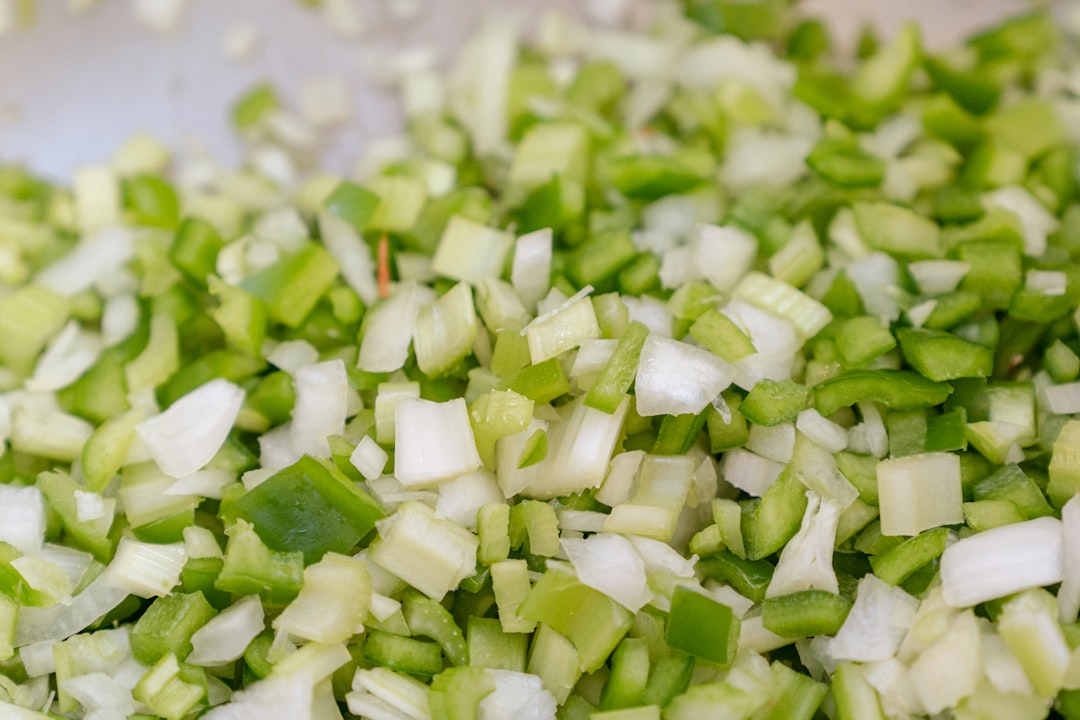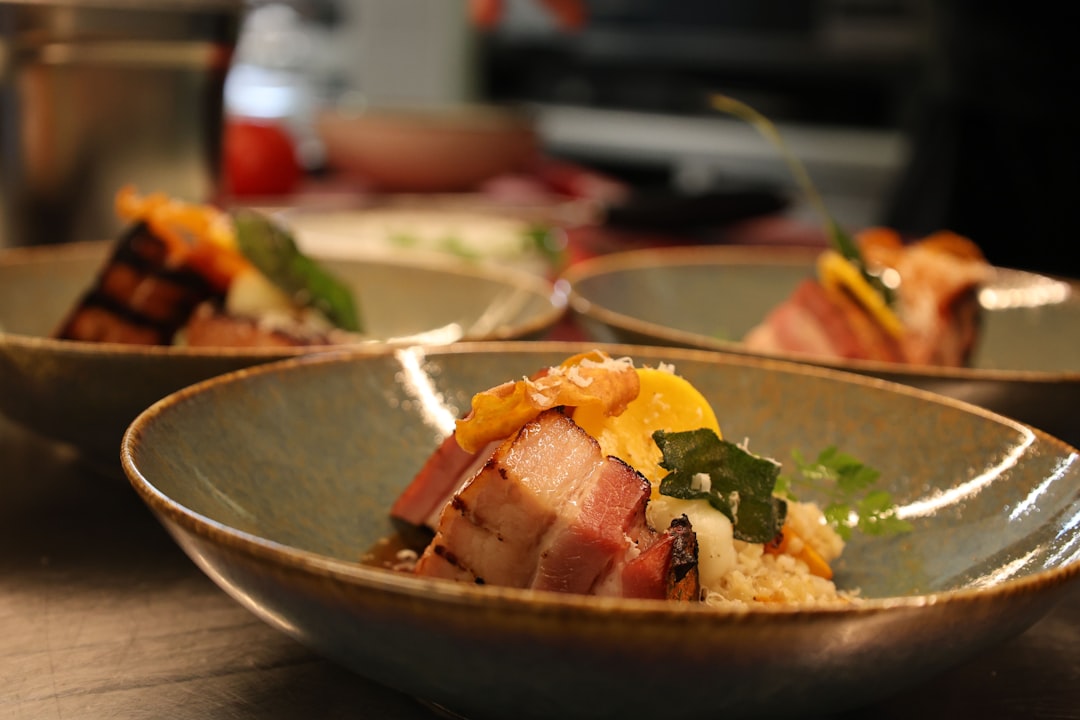
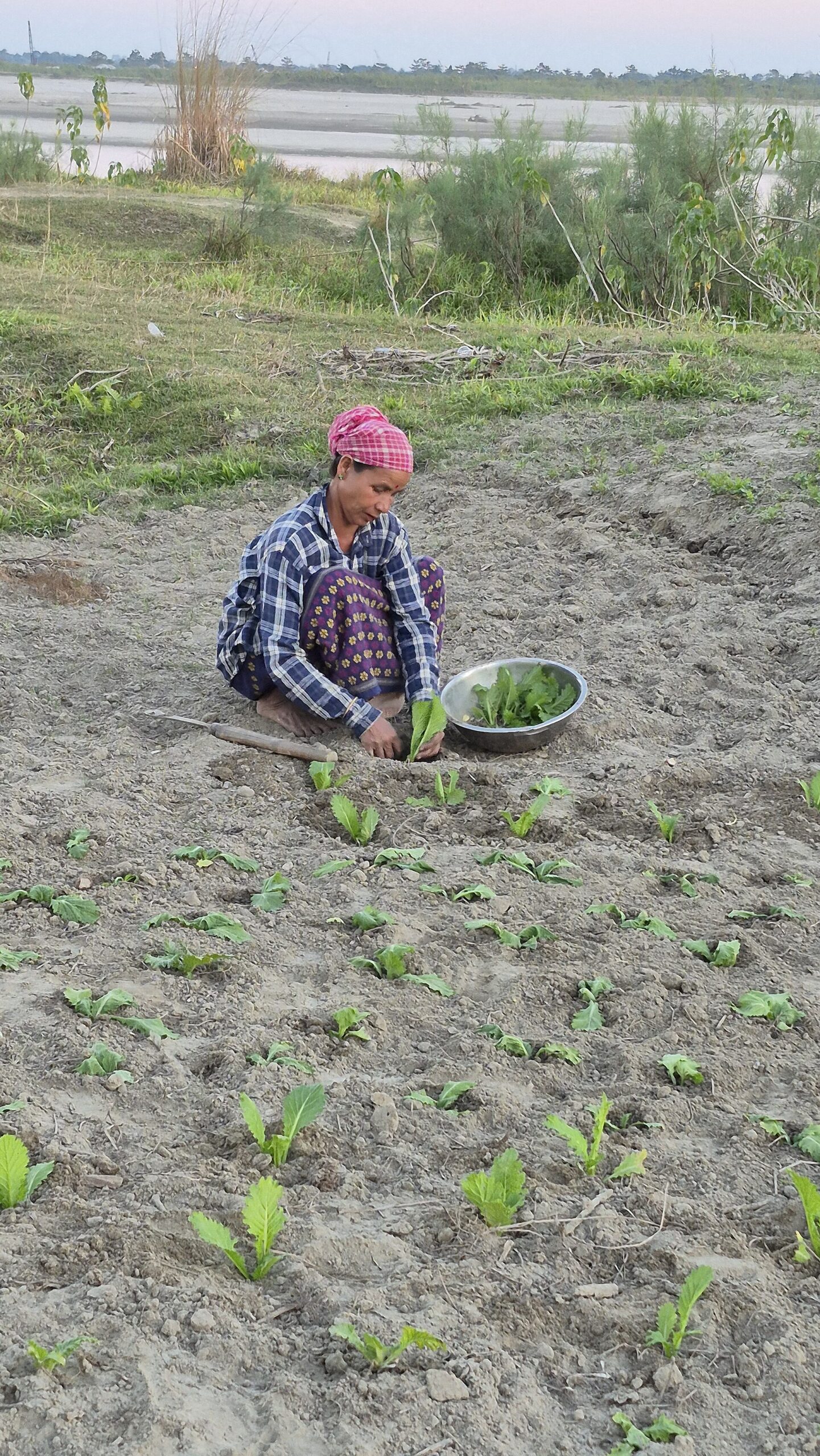
The produce section in January is a wall of dark leaves and most of it gets walked past. Kale gets picked up because kale is the one people know, gets cooked the same way it was cooked last week, and gets eaten out of duty. Meanwhile there are five or six other bunches on the same shelf, all cheap, all in season, and all wanting something different from the pan.
The differences are not subtle. One of these needs sixty seconds and will be ruined by ninety. Another needs two minutes in boiling water before it can be cooked at all. One is really two vegetables sold attached to each other. Treating them as interchangeable is why so many people conclude that winter greens taste bitter and stringy.
Six of them, then, with the bitterness, the clock, and the fat each one actually needs.
- Mildest: tatsoi, then chard, then escarole
- Sharpest: broccoli rabe, then mustard greens, then turnip tops
- Fastest: tatsoi at about a minute. Slowest: chard stems at eight
- The rule: the more bitter the leaf, the more fat and salt it can absorb
- Blanching: worth it for exactly two of the six
- Cost: all of them run cheaper per pound in cold months than at any other time
Frost is what makes them worth eating
Leafy brassicas respond to cold by converting stored starch in the leaf into sugars, which lower the freezing point of the cell fluid and keep the plant from bursting. The plant is protecting itself. The cook gets the benefit, because a leaf with more sugar in it tastes noticeably sweeter and less harsh.
This is not folklore and it is measurable in the field. Growers across the South and the Midwest hold collards and turnips until after a hard frost for exactly this reason, and a farmers market seller in November will usually say so without being asked. The same mechanism is why parsnips dug after frost taste like a different vegetable, and why the cold-weather root crops get sweeter as the season goes on.
The practical consequence is that the same bunch of mustard greens is a different ingredient in September and in December. If a green tasted unpleasantly sharp in early autumn, it is worth trying again after the first freeze rather than writing it off.
The types of winter greens, side by side
Bitterness here is a rough scale from one to five, judged raw. Cooking moves every one of them down at least a step, and fat moves them down another.
| Green | Bitterness | Cook time | Fat it wants | Where it belongs |
|---|---|---|---|---|
| Escarole | 2 | 5 to 8 minutes | Olive oil, or bean broth | Soup with white beans |
| Mustard greens | 4 | 10 to 25 minutes | Pork fat or bacon drippings | Long braise with vinegar |
| Tatsoi | 1 | 60 to 90 seconds | Toasted sesame oil | Wilted into broth or rice |
| Broccoli rabe | 5 | 2 minutes boiled, then 4 in the pan | Olive oil, and plenty | With sausage and orecchiette |
| Chard | 2 | Stems 8, leaves 3 | Butter or olive oil | Gratin, or a pan of eggs |
| Turnip tops | 4 | 15 to 20 minutes | Bacon fat or smoked ham | Pot likker with cornbread |
Two of these come in bunches with a great deal of stem attached, and the stem-to-leaf ratio is worth checking before buying. A pound of broccoli rabe yields far less cooked volume than a pound of tatsoi, and a recipe written for one will look thin if the other goes in.
Escarole: bitter that dissolves in broth
Escarole is a broad-leaved chicory, sold as a loose pale-hearted head that looks like a coarse lettuce. The outer leaves are green and mildly bitter, the inner ones are nearly white and almost sweet, and the whole thing can be eaten raw in a salad or cooked in minutes.
Cooked is where it earns its place in winter. Chopped and dropped into simmering broth with white beans and garlic, it collapses in five minutes into something silky, and the faint bitterness moves into the broth and gives the whole bowl a spine. That soup, with a piece of parmesan rind in it and good bread, is dinner for four out of a two-dollar head.
It also takes well to being wilted in olive oil with anchovy and chile, then piled on toast. What it will not survive is long cooking. Twenty minutes turns escarole to slime, and unlike the tougher greens it gains nothing on the way there.
Mustard greens: horseradish in a leaf
The sharpness in mustard greens is the same family of compounds that makes horseradish and wasabi burn, released when the leaf is cut or chewed. Raw, a young leaf is genuinely hot in the sinuses. That heat is volatile, which is the key fact: it cooks off, and a long braise turns the same leaf mellow and savoury.
Two approaches, and they are opposites. Young small leaves go raw into a salad, torn, dressed hard with something sweet and fatty to balance the burn. Large mature leaves go into a pot with smoked pork, water and a splash of vinegar for twenty minutes or more, until they are tender and the cooking liquid is worth drinking.
The middle path is the one to avoid. Five minutes in a hot pan is long enough to lose the raw brightness and not long enough to gain the braised sweetness, and the result tastes like a compromise nobody asked for. Pick an end of the scale.
Tatsoi: the one that needs almost no cooking
Tatsoi grows as a flat rosette of small spoon-shaped dark leaves on pale crisp stems, and it is the mildest green on this list. There is a faint mustard note behind it and nothing that could be called bitter. It is sold in Asian groceries and in farmers markets through the cold months, sometimes labelled spoon mustard.
The cooking instruction is more or less do not. Drop the leaves into a bowl of hot soup and they wilt in the time it takes to carry it to the table. Toss them into a hot wok with garlic for sixty seconds. Fold them into rice as it comes off the heat. Anything longer and the stems go limp and the leaves lose the small snap that is the point of them.
Toasted sesame oil suits it better than olive oil, added off the heat. A splash of rice vinegar and a pinch of salt turns a bag of it into a side dish in under two minutes, which is a useful thing to have in the refrigerator in a week when nothing else is quick.
Broccoli rabe: the bitterest of the six
Broccoli rabe, also sold as rapini or cime di rapa, is not broccoli and is not closely related to it. It is a turnip relative grown for its buds, leaves and stems, and it is aggressively bitter in a way that people either seek out or cannot get past.
The bitterness can be managed and should not be eliminated. Two minutes in well salted boiling water, then straight into the pan with a generous amount of olive oil, sliced garlic and chile flakes for four minutes more, takes it from harsh to bracing. Skipping the boil leaves a dish most people will not finish.
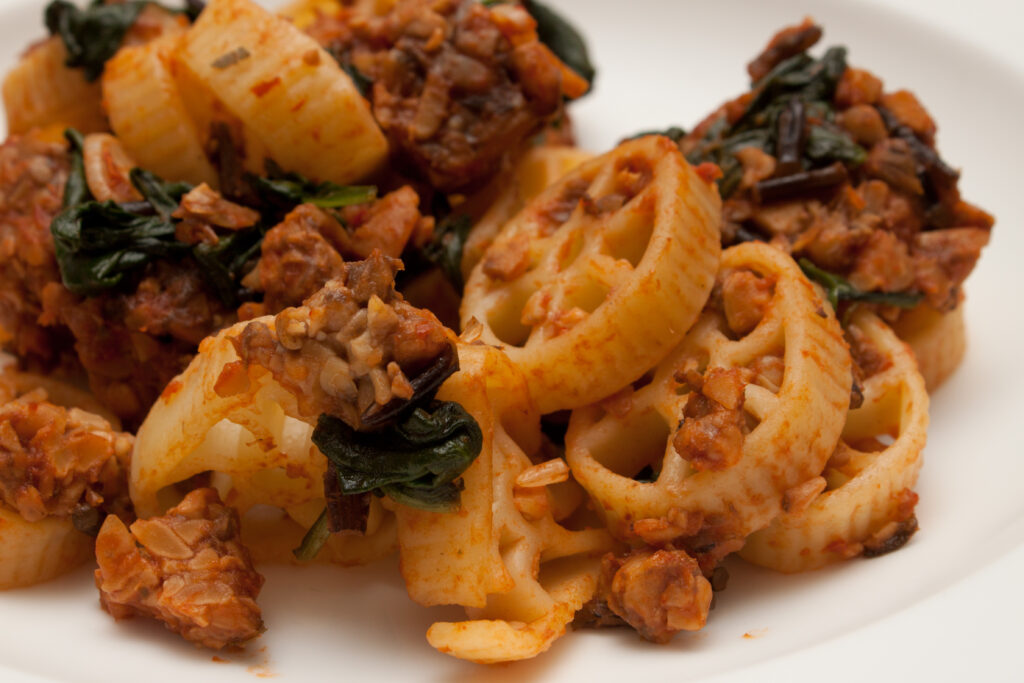
It wants more olive oil than seems reasonable, a quarter cup for a bunch, and it wants salt. Both of those blunt bitterness directly, which is why the classic pairing is with a fatty sausage and a starch: orecchiette, or piled onto a roll with provolone. Trim the bottom inch of stem and use everything above it, buds included.
Chard: two vegetables on one stalk
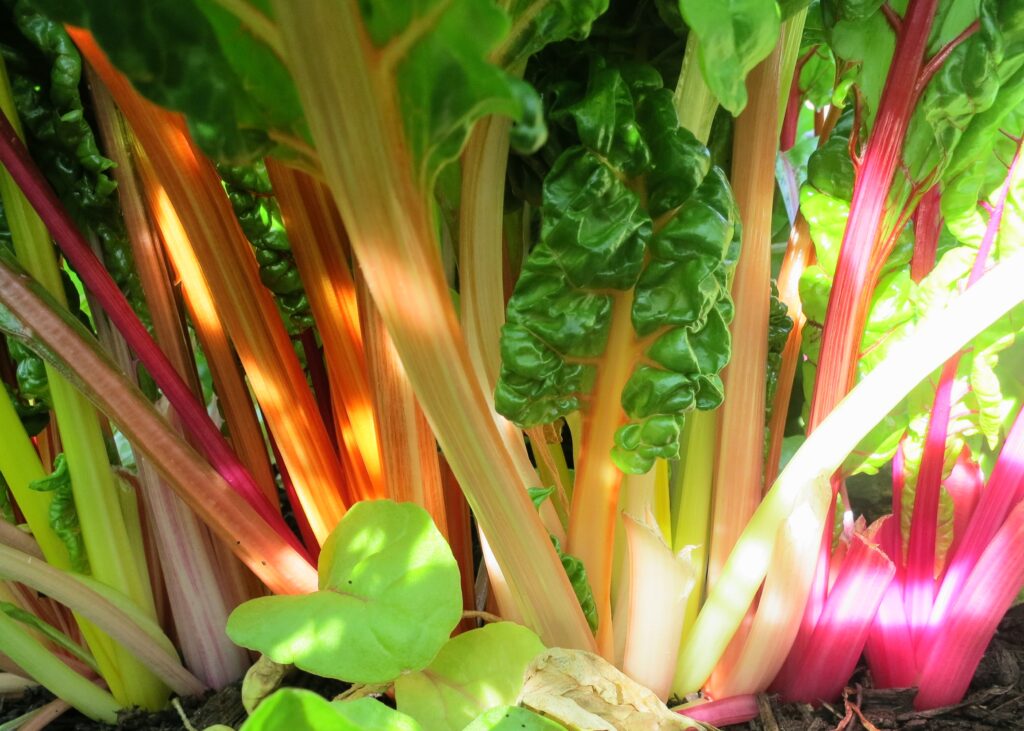
The mistake with chard is cooking it as one thing. The stems are dense and fibrous and need eight minutes; the leaves need three. Put them in together and either the stems are woody or the leaves are grey.
Cut the stems out, slice them a quarter inch thick, and start them in the fat with the onion at the beginning. They cook down to something sweet and faintly like celery, and in the coloured varieties they are the best-looking thing in the pan. Shred the leaves and add them for the last three minutes.
Chard is the mildest of the sturdy greens, which makes it the right one for anything where the green is a component rather than the subject: a gratin, a filling for pastry, a pan of baked eggs, a bowl of pasta with ricotta. It also holds its texture in a way that spinach does not, so it does not disappear into whatever it is mixed with.
Turnip tops: the free half of the vegetable
Buy turnips with the greens attached and there are two vegetables in the bag for one price. The tops are peppery, thinner and more delicate than collards, and they cook faster: fifteen to twenty minutes rather than an hour.
The traditional handling in the American South is a pot with a smoked ham hock or a piece of salt pork, water, and time, with the resulting liquid saved and served alongside. That liquid is worth as much as the greens. A splash of cider vinegar at the table is not optional in most households that cook them.
They are also good treated quickly: chopped, thrown into a hot pan with bacon fat and a chopped onion, covered for ten minutes with a splash of water, then finished with vinegar. Either way they want fat and acid, and the peppery edge is the reason. Sitting alongside the rest of what the cold months put on the table, they are the cheapest green on the shelf by a distance.
The fat is the point, and so is the timing of salt and acid
Bitterness is blunted by fat, by salt and by sugar, in that order of usefulness here. That is the whole reason every traditional preparation of a bitter green involves pork, olive oil or butter in an amount that looks excessive written down. A tablespoon of oil for a bunch of broccoli rabe produces a dish nobody enjoys.
Salt goes in early, in the blanching water or with the greens as they hit the fat. Salt applied at the start penetrates and moderates bitterness throughout; salt sprinkled at the end sits on the surface and tastes like salt. A heavily salted blanching pot is doing seasoning work, not just cooking work.
Acid goes in at the end, off the heat. Vinegar or lemon added early turns green leaves a dull olive within minutes, because acid strips the magnesium out of the chlorophyll molecule. Added at the table, it brightens the dish and keeps the colour. This is one of the few rules in cooking greens with no exceptions.
Stems, blanching, and getting the grit out
Blanching is worth it for two of the six: broccoli rabe, where it is the difference between edible and not, and mature mustard greens if they are going to be cooked quickly rather than braised. For escarole, tatsoi, chard and turnip tops it is a waste of a pot and it costs texture.
Stems divide the same way. Chard stems and escarole ribs are worth keeping and cooking longer. Broccoli rabe stems below the bottom inch are fine as they are. Mustard and turnip stems on mature bunches are tough and stringy and should come out; on young bunches they can stay.
Grit is the failure that ruins an otherwise good dish, and pouring the greens into a colander does not solve it. Fill a sink or a large bowl with cold water, submerge the leaves, agitate them, and lift them out with your hands so the sand stays on the bottom. Then do it again. Two changes of water is the standard for anything grown close to the ground, and turnip tops usually need three.
Oxalates, vitamin K, and two cautions worth the space
Chard, along with beet greens and spinach, is high in oxalate. For most people that is irrelevant. For anyone with a history of calcium oxalate kidney stones it is a reason to keep the portions moderate and to favour the lower-oxalate greens on this list, which is all of the others. Blanching and discarding the water removes a meaningful share of the soluble oxalate, which is a reasonable step for someone who has been told to watch it.
The second is vitamin K, which leafy greens supply in quantity and which interacts with warfarin and related anticoagulants. The current advice from most clinicians is consistency rather than avoidance, meaning a steady weekly intake rather than a sudden change in either direction. Anyone on those medications who is about to start eating a great deal more green than usual should raise it at their next appointment rather than guess.
Neither of these is a reason for a healthy household to eat fewer greens, and the general case for eating with the season is not in dispute. They are two specific situations where the general advice needs adjusting, and they are worth knowing before somebody adopts a daily habit.
Frequently Asked Questions
Can I substitute one of these for another in a recipe?
Within a bitterness band, mostly yes. Turnip tops and mustard greens trade places freely, and escarole and chard can stand in for each other in a soup. Swapping broccoli rabe for tatsoi, or the reverse, produces a completely different dish, and the cooking time will be wrong by an order of magnitude.
How do I stop greens tasting bitter?
Fat, salt, and a short boil in salted water for the sharpest ones. A little sweetness helps too: a spoonful of raisins or a splash of balsamic in a pan of rabe is a standard southern Italian move. Do not try to fix bitterness with more cooking time alone, since some of these get worse rather than better.
What is pot likker and is it worth keeping?
It is the cooking liquid from a long-braised pot of greens, seasoned by the greens and whatever pork went in with them. It is served alongside for dipping cornbread and it carries a good deal of what came out of the leaves. Pouring it down the drain is the most common waste in the whole category.
Can any of these be frozen?
Yes, after blanching. Two minutes in boiling water, straight into ice water, squeezed dry and bagged, and they keep several months. Chard and mustard greens freeze best. Tatsoi does not, and escarole comes back as mush.
How long do they keep in the refrigerator?
Tatsoi and escarole, two or three days. Chard, four or five. Mustard greens, turnip tops and broccoli rabe hold about a week wrapped loosely in a damp towel inside a bag. Wash them when you cook them, not when you get home, since wet leaves rot faster.
Buy two bunches you have never cooked, treat each one the way this list says rather than the way you would treat kale, and the January produce wall stops being a single obligation and becomes six ingredients that happen to be cheap at the same time of year.