
Nearly every bean dish that people describe as satisfying has a piece of pig in it somewhere. A hock, a rind, a strip of bacon, a bone left over from something else. Take it out and the standard advice is to add smoked paprika and hope, which produces a pot that tastes like it is apologizing.
The five pots below are not vegetarian adaptations of anything. They are dishes that were built without pork in the first place, from five kitchens that had other ways of making a bean taste like dinner. In each one there is a single decision doing the work the pork would have done, and it is a different decision every time.
All five feed six people, cost less per serving than almost anything else you can cook, and use a pound of dried beans or two cans. What separates them is one ingredient or one technique, and knowing which one it is means you can cook them all without a recipe after the second try.
- Five pots: Egyptian, Greek, North Indian, Mexican, and Andalusian
- Five decisions: cumin twice, a great deal of olive oil, twenty minutes of onion, one herb, fried bread
- Per bowl: roughly fifteen grams of protein and a dozen grams of fiber from the beans alone
- Cost: dried beans run about a third the price of canned per cooked cup
- Freezing: three of the five freeze well, two do not, and the table says which
- One hard rule: dried red kidney beans must be boiled hard for ten minutes, and a slow cooker alone will not do it
What the pork was actually doing, and four ways to replace it
Break down what a ham hock contributes and it is four separate things, not one. Salt. Fat that coats the mouth. Gelatin that gives the liquid body. And a smoky, cured, savory depth that is genuinely hard to reproduce.
Each has a substitute and the substitutes are not interchangeable. Salt is the easiest and the most often underdone; a pot of beans wants more than seems reasonable. Fat is replaced by olive oil in quantity, and the quantity is the part people flinch at. Body comes from starch, which means blending a ladle of the beans and stirring it back, or simply cooking them longer so more of them break down.
Depth is the hard one, and there are three honest routes. Fermented ingredients, which is where a spoonful of miso or soy sauce earns its place. Toasted and ground whole spices, which give a different kind of depth that does not pretend to be smoke. Or genuine browning, either of onions cooked far past where most recipes stop or of a piece of bread fried in oil. Every dish below picks one of those and commits to it.
Dried against canned, in cost and in texture
Dried beans cost roughly a third of what canned ones do per cooked cup, and the gap widens for anything unusual. They also give a pot of cooking liquid that is worth more than the beans in it, because that starchy broth is the difference between beans in water and a stew.
Canned beans are a legitimate shortcut and I use them constantly. What they cannot do is supply the liquid, which means a dish built on canned beans needs stock and needs a little extra starch, either by mashing some of the beans or by simmering longer. Rinse them or do not depending on the dish; the liquid in the can is starchy and useful in a stew, and salty enough to matter.
Where dried is genuinely required is any pot where the beans are the whole texture and need to be cooked to a particular point. Frijoles de la olla is unrecognizable made from cans, and so is ful medames. The Greek and Andalusian pots survive the substitution fine.
Old beans, hard water, and the pot that never softens
A pot of beans that refuses to soften after three hours is almost never a technique problem. It is usually the beans, which have been in a warehouse for two years and have dried past the point where water can get back in. Dried beans keep indefinitely in the sense that they do not spoil, and they cook worse every year.
Buy from somewhere with turnover, and treat a bag that will not cook as a bad bag rather than a personal failure. Hard water is the second cause; the minerals in it slow softening, and a quarter teaspoon of baking soda in the soaking water counteracts it. Do not overdo that, because too much turns bean skins slippery and gives an odd soapy taste.
Two smaller rules worth knowing. Salt the soaking water, which contrary to old advice helps the skins soften rather than toughening them. And keep acid out until the beans are fully tender: tomato, vinegar, and lemon all slow softening considerably, which is why every recipe below adds them at the end.
Five vegetarian bean stew recipes, one aromatic decision each
Each of these serves six. The middle column is the thing that carries the pot, and if you remember nothing else about a dish, remember that.
| Dish | From | Bean | The decision |
|---|---|---|---|
| Ful medames | Egypt | Small brown fava | Cumin, added twice |
| Fasolada | Greece | Cannellini or gigantes | Olive oil, in quantity |
| Rajma | North India | Red kidney | Twenty minutes of browning onion |
| Frijoles de la olla | Mexico | Black or pinto | Epazote |
| Potaje de garbanzos | Andalusia | Chickpea | Fried bread and almonds |
None of these five needs a specialty store except for the epazote and possibly the small brown favas, and both of those are stocked in any Latin or Middle Eastern grocery. The rest of the ingredients are ordinary.
Ful medames, and the cumin that goes in twice
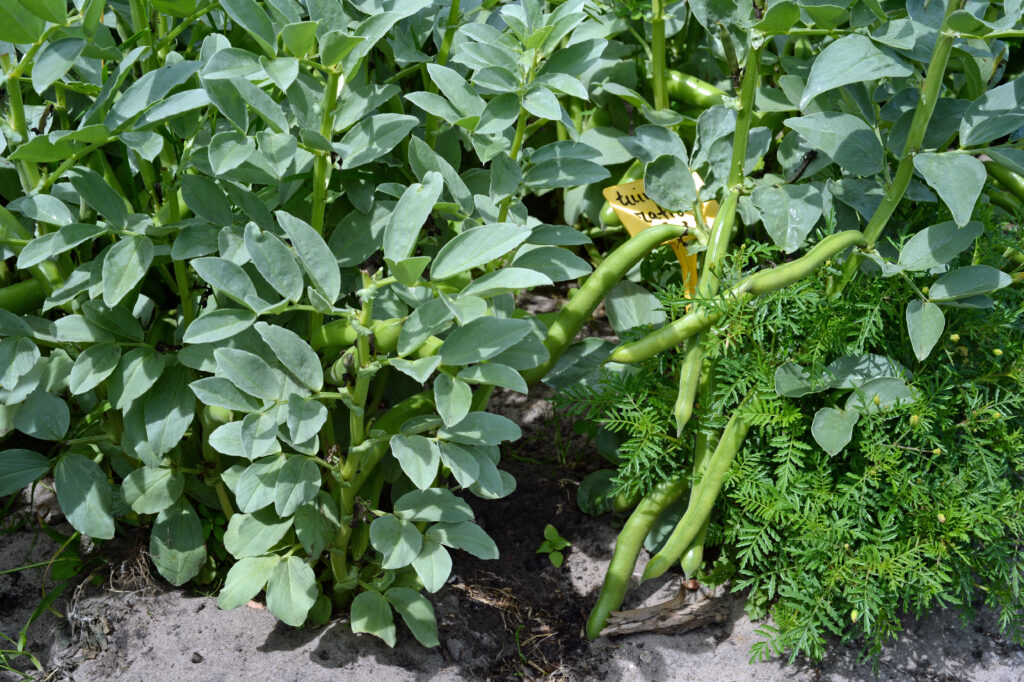
Eaten for breakfast across Egypt and much of the Levant, and it is the oldest of the five by a wide margin. Small brown fava beans, cooked until they collapse, crushed partly with the back of a spoon, and dressed heavily at the table.
Soak a pound of small dried favas overnight and simmer them for two to three hours until completely soft. Then crush about a third of them against the side of the pot. Dress with a great deal of olive oil, the juice of two lemons, four cloves of grated garlic, salt, and cumin.
The cumin goes in twice and that is the whole trick. A teaspoon of ground cumin stirred into the pot while it is hot, which cooks in and becomes part of the background. Then a second teaspoon, toasted whole and ground fresh, scattered over the top at the table, which stays sharp and volatile. One dish, two versions of the same spice, and the gap between them is what makes it interesting. Serve with chopped tomato, parsley, sliced onion, hard-boiled egg, and warm flatbread.
Fasolada, and the olive oil that is the whole point
A white bean soup that Greeks will tell you is the national dish, made from cannellini or from the large flat gigantes, with celery, carrot, onion, and tomato. It looks austere and it is not, because of how much olive oil goes in.
Soak a pound of white beans overnight. Simmer them with two chopped onions, three carrots, three celery ribs with their leaves, and four garlic cloves for about an hour and a half. Add a can of chopped tomatoes and a tablespoon of tomato paste once the beans are tender, and cook thirty minutes more.
Then the oil. Half a cup of good olive oil goes in, some during the last twenty minutes and the rest poured over each bowl at the table. That is not a typo and it is not a garnish. The oil is the fat that the pork would have provided, it emulsifies with the starch from the beans, and it turns a thin vegetable soup into something with weight. A version made with two tablespoons is a different and considerably worse dish. Finish with red wine vinegar and a lot of black pepper.
Rajma, and twenty minutes of browning onion
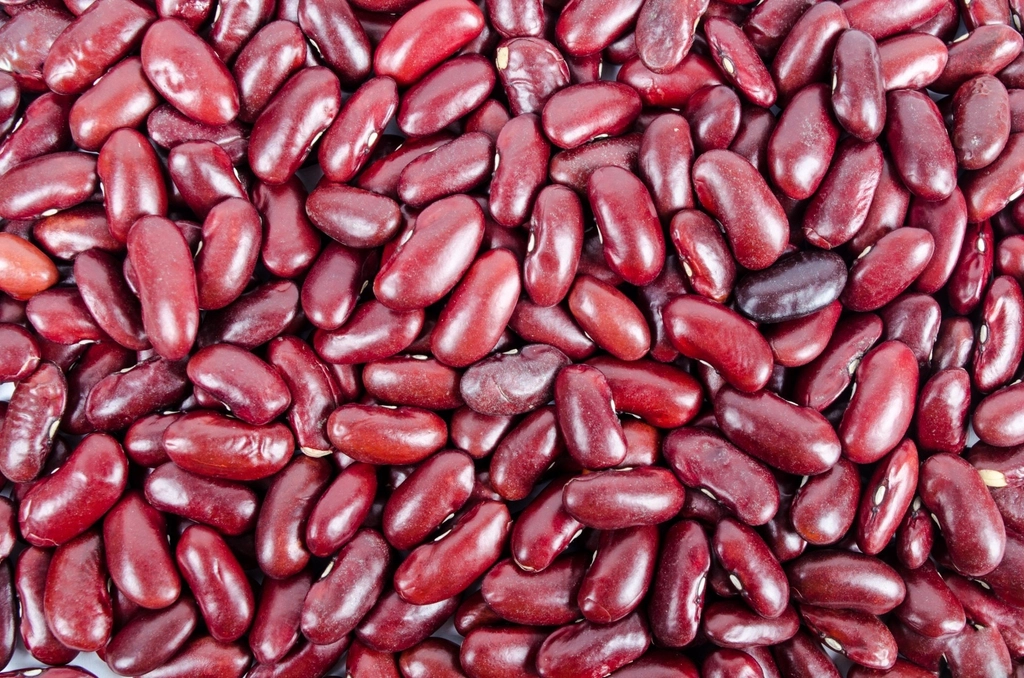
Red kidney beans in a thick onion and tomato masala, eaten with rice across northern India. The beans are the same ones that go into chili and they behave completely differently here, because of what happens to the onions first.
The technique is bhuna, and it means cooking the onion base far past the point where most recipes stop. Three finely chopped onions in oil over medium heat for a full twenty minutes, until they are deep golden brown and the volume has collapsed by two thirds. Then ginger and garlic paste for two minutes, then ground coriander, cumin, turmeric, and chile for a minute, then chopped tomatoes cooked down until the oil separates and pools at the edge of the pan.
That base is where all the depth comes from and there is no shortcut for it. Add a pound of soaked kidney beans and enough water to cover by two inches, and simmer for ninety minutes until the beans are soft and some have broken down. Mash a few against the side of the pot to thicken it. Finish with garam masala and a handful of cilantro. A spoonful of yogurt on top is standard and turns the whole thing creamy.
Frijoles de la olla, and the herb that is not oregano
The simplest pot on this list and the one where every ingredient shows. Beans, water, onion, garlic, salt, and epazote, cooked slowly until the broth is dark and thick and the beans are just past tender.
A pound of black or pinto beans, unsoaked, in a heavy pot with half an onion, a head of garlic cut across the equator, and enough water to cover by three inches. Simmer for two to three hours, adding hot water as needed, and salt only in the last thirty minutes. What comes out should be soupy, with the broth thickened by the beans themselves.
Epazote is a pungent green herb with a flavor somewhere between oregano, mint, and something medicinal, and it is not a substitute for oregano in any direction. A few sprigs go in for the last thirty minutes. It is also traditionally added on the reasoning that it helps with the digestive consequences of beans, a claim that circulates constantly and is not well established, so use it because it tastes right rather than because of what it might do. Dried epazote works and is easier to find than fresh.
Chickpeas and spinach, and the fried bread that thickens it
An Andalusian stew eaten during Lent, which is precisely why it has no pork in it: it was designed for weeks when meat was off the table. Chickpeas, spinach, smoked paprika, cumin, and a thickener made from fried bread and almonds.
Soak a pound of chickpeas overnight and simmer them for about two hours until tender. Meanwhile fry two thick slices of stale bread and a handful of almonds in olive oil until deeply golden, then pound or blend them with three garlic cloves, a teaspoon of cumin, a tablespoon of sweet smoked paprika, and a splash of sherry vinegar into a thick paste.
That paste, a picada, goes into the pot in the last fifteen minutes and does three things at once: it thickens the broth, it carries the spice, and the fried bread supplies a browned depth that nothing else in the pot has. Then a pound of spinach wilted in at the very end. The result is thick enough to eat with a fork and it is one of the more convincing arguments I know for building a plate without meat on purpose rather than by subtraction.
Protein, cost, and which ones freeze
Beans deliver roughly fifteen grams of protein and around a dozen grams of fiber per cooked cup, which is more fiber than most people get in an entire day. The numbers below are per serving, assuming six servings per pot and about a cup of beans in each.
| Dish | Protein per bowl | Cook time | Freezes |
|---|---|---|---|
| Ful medames | About 13 grams | 3 hours | Yes, well |
| Fasolada | About 17 grams | 2 hours | Yes, add oil after thawing |
| Rajma | About 15 grams | 2 hours plus soaking | Yes, the best of the five |
| Frijoles de la olla | About 15 grams | 3 hours | Poorly, skins split |
| Potaje de garbanzos | About 15 grams | 2 and a half hours | Poorly, spinach goes grey |
To turn any of them into a fuller plate, add a grain rather than more beans: rice with the rajma, bread with the ful and the potaje, and either with the others. A dollop of yogurt or a crumble of feta adds protein and fat at the same time, and a leftover pot of any of these makes an excellent base for something else entirely on the third day.
Digestion, and the bean that must be boiled hard
The important one first, because it is the only genuine hazard here. Raw and undercooked red kidney beans contain a lectin that causes severe nausea, vomiting, and stomach cramps within a few hours of eating them, and it takes surprisingly few beans to do it. The compound is destroyed by high heat but not by gentle heat.
The rule is straightforward. Soak dried kidney beans for at least five hours, discard the soaking water, then boil them hard at a full rolling boil for at least ten minutes before dropping to a simmer. That ten minutes is not the same as a long slow cook; a slow cooker held below boiling can leave the lectin intact and has been documented to make the problem worse rather than better. If a slow cooker is the plan, boil the beans on the stove first, then transfer. Canned kidney beans have already been through this and are fine as they come. Guidance on this and on other food hazards is published by public food safety authorities.
The ordinary complaint is digestive rather than dangerous. Beans carry oligosaccharides that many people ferment rather than absorb, and the result is predictable. Soaking and discarding the water removes some of them, long cooking removes more, and the single most effective thing is frequency: people who eat beans regularly tolerate them considerably better than people who eat them twice a year. Introduce them gradually rather than starting with a bowl of ful for breakfast, which is also how to get children to accept them, in the same way that any unfamiliar ingredient earns a place at the table.
Frequently Asked Questions
Do I have to soak beans overnight?
For kidney beans, yes, and for the rest it is optional. Soaking shortens the cook by roughly a third and gives more even results. The quick method is to bring them to a boil, hold it for two minutes, then let them stand covered for an hour. Frijoles de la olla is traditionally made without soaking at all and is better for it.
Which of the five should I cook first?
Rajma, because the twenty minutes of browning onion is the technique that transfers furthest. Once you have seen what happens to a bean pot when the base is cooked properly, every other bean dish you make improves, including ones that have nothing to do with Indian cooking.
Can I use canned beans for all of them?
For the Greek and Andalusian pots, yes, with stock in place of the cooking liquid and an extra fifteen minutes of simmering to thicken. For frijoles de la olla the answer is no, since the broth is the dish. Ful medames from cans is common in Egypt and perfectly acceptable, and the rajma works with canned beans as long as the masala base gets its full time.
How much olive oil does fasolada really need?
About half a cup for a pot serving six, which is a tablespoon and a half per bowl. It reads as excessive written down and it is what the dish is. Cutting it to two tablespoons produces a thin vegetable soup with beans in it, which is a fine thing and not this.
What can I use instead of epazote?
Nothing tastes like it, so the honest answer is to leave it out rather than substitute. A bay leaf and a sprig of oregano give a pot that is good and different. Dried epazote keeps well and is stocked in any Latin grocery, and a small bag lasts a very long time.
Cook one of these on a Sunday and the week gets easier, which is most of the reason beans have held their place in so many kitchens for so long. The pot costs almost nothing, it improves on the second day, and nobody at the table asks where the meat went.