A pot of white beans finished with a teaspoon of smoked paprika tastes like it sat near a fire for an afternoon. The same pot finished with a tablespoon tastes like the fire got into the house. The distance between those two results is about two grams of powder, and no label anywhere tells you where the line falls.
Real smoke is a process rather than an ingredient. It needs wood, time, airflow and a box to hold it, and most kitchens have none of that. What most kitchens do have, or can have for a few dollars, are four pantry items that already carry smoke inside them: pimenton from La Vera, chipotle, lapsang souchong tea, and smoked salt.
Each one arrives with something else attached. One brings sweetness, one brings heat, one brings tannin, one brings salt at full strength. That attachment decides where it can go, how much of it a dish will take, and whether it is still there after three hours in a pot.
- The four: pimenton de la Vera, chipotle, lapsang souchong, smoked salt
- Working dose for four people: 1 to 2 teaspoons, one pepper, 1 teaspoon of ground leaf, a pinch at the table
- Survive a long braise: chipotle first, pimenton second
- Does not survive: lapsang, which loses the smoke and leaves the tannin behind
- The ashtray line: roughly double the working dose, in every one of the four
- Worth knowing: none of these preserves anything, whatever the packaging suggests
Where the smoke in your pantry actually comes from
Pimenton is made from peppers dried over an oak fire for a week or more before they are milled, which puts the smoke into the flesh rather than onto it. Chipotles are jalapenos left on the plant until they turn red, then smoke-dried until they rattle. Lapsang souchong is black tea from Fujian dried over burning pine. Smoked salt is salt held in cold smoke, or, in the cheaper versions, salt treated with a smoke condensate.
All four rely on the same chemistry. Burning wood breaks down lignin and releases a family of phenolic compounds, guaiacol and syringol among them, which is what the nose reads as smoke. Different woods give different proportions, which is why pine-dried tea and oak-dried peppers do not smell alike even though both are smoked.
The origin story attached to pimenton is worth treating carefully. La Vera producers trace the tradition to monks at the monastery of Yuste in Extremadura, and the account is repeated in almost every article on the subject, but it rests on tradition rather than on documents. Murcia, the other large Spanish producing region, dries its peppers in the sun and makes an unsmoked product, and both regions have long-standing claims of their own.
How to add smoky flavor without lighting anything
The compounds that carry smoke are mostly fat-soluble. That single fact explains most of the technique. A powder stirred into a watery pot disperses unevenly and tastes thin, while the same powder warmed in a spoonful of oil for twenty seconds spreads through the whole dish and reads as though it has been there since the beginning.
The two powders go into fat, off direct heat, before any liquid arrives. Pimenton in particular scorches at a temperature well below the smoke point of the oil it is sitting in, and scorched paprika is bitter in a way that no amount of anything else will cover. Pull the pan off the burner, stir the powder in, count to twenty, then add the liquid.
What none of this does is reproduce barbecue. Actual smoking builds a surface, a ring, a texture, and a slow rendering of fat that a seasoning cannot imitate. These four put a smoke note into a dish. They do not put a brisket in your oven, and a recipe that promises otherwise is overselling.
The four, measured on the same scale
| Ingredient | What it carries besides smoke | Dose for four | When it goes in | After three hours |
|---|---|---|---|---|
| Pimenton de la Vera | Sweetness or a dry bitterness, and deep colour | 1 to 2 teaspoons | Warm fat, off the heat | Holds colour, loses about half the aroma |
| Chipotle, dried or canned | Heat, plus vinegar and sugar from the adobo | One pepper, or a teaspoon of the sauce | With the aromatics | Holds almost everything |
| Lapsang souchong | Tannin and a drying astringency | 1 teaspoon ground, or a strong cup of the liquid | In the liquid, in the last hour | Smoke fades, tannin concentrates |
| Smoked salt | Salt, at full strength | A pinch, per plate | At the table | Not applicable |
The fourth column is the one that decides the recipe. Two of these are cooking ingredients, one is a finishing ingredient, and one belongs in the last stretch of a braise rather than at the start. Getting that wrong wastes the ingredient and, in the case of the tea, actively damages the dish.
Pimenton: three tins, and only one of them is smoked
Spanish smoked paprika comes in three strengths. Dulce is sweet and mild, agridulce sits in the middle with a bitter edge, and picante carries real heat. All three from La Vera are smoked, and the strength refers to the pepper varieties in the mill rather than to the amount of smoke.
What is not smoked is most of the rest of the paprika on the shelf. Hungarian paprika, in any of its grades, is dried without fire. Generic supermarket paprika is usually sun-dried and largely there for colour. If the tin does not say smoked, or say La Vera, it is not the ingredient this article is about, and substituting it produces a dish with no smoke in it at all.
Buy it in a tin rather than a jar, because light degrades it, and buy small. The colour fades to brick and the aroma flattens within about nine months of opening. A tin that smells faintly sweet rather than sharply of wood is contributing red dust, which is the same problem that turns up across most of a neglected spice shelf.
Chipotle: smoke that arrives with heat and sugar attached
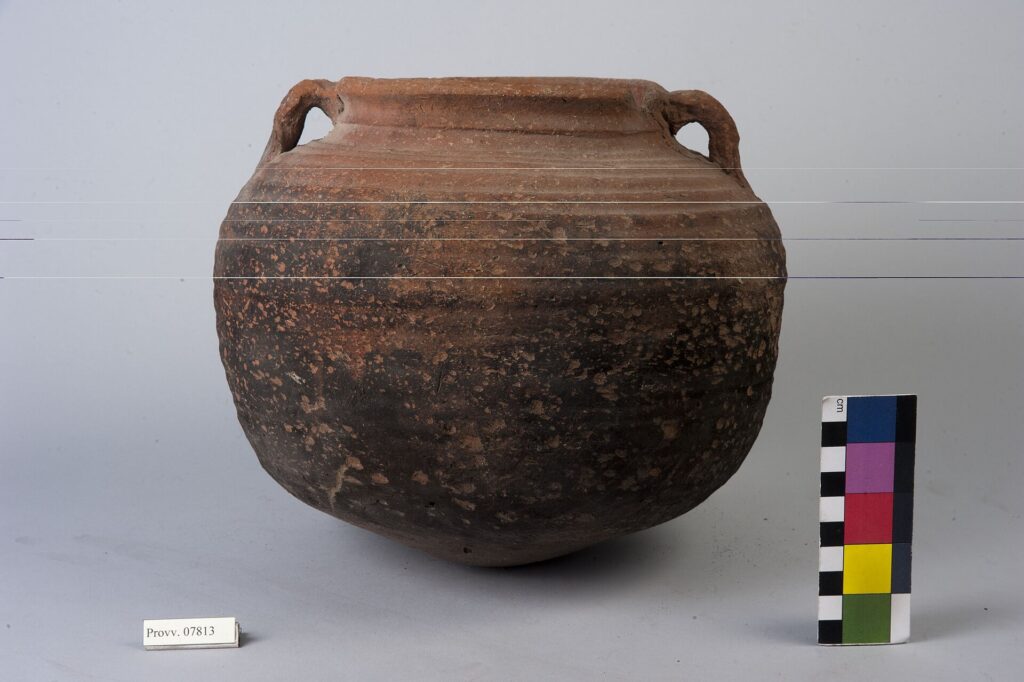
Two dried chipotles are sold, and they are not interchangeable. Morita is the smaller, darker, slightly soft one, smoked for less time and fruitier, and it is what most stores carry. Meco is grey-brown, papery and dry, smoked much longer, and it is the more intensely smoky of the two by a wide margin.
The canned version, chipotles in adobo, brings more than the pepper. The sauce around it is built on tomato, vinegar, garlic, onion and sugar, so a spoonful of it adds acid and sweetness alongside the smoke. That is often an advantage, since acid is exactly what keeps a smoky dish from reading as heavy, but it needs accounting for when the recipe already has vinegar in it.
For smoke without much heat, use the sauce and leave the peppers in the can. For heat with the smoke, chop one pepper, seeds and all, into a pot for four. Two peppers is a noticeably hot dish. Handling them puts capsaicin on your fingers, and washing with soap and water before touching your face is the habit that avoids a bad twenty minutes.
Lapsang souchong: pine smoke, and the one that ruins a dish fastest
Lapsang souchong is a black tea from the Wuyi mountains in Fujian, withered and dried over pinewood fires. The smoke is resinous and sharper than oak smoke, closer to a campfire than to a barbecue, and it is startlingly strong in the dry leaf. A story circulates that the drying method was improvised when a passing army delayed a harvest, and it is a shop tale rather than a documented account.
There are two ways to use it. Brew it strong, four minutes in water just off the boil, and use the liquid as part of the braising liquid for pork shoulder, duck legs or lentils. Or grind the leaf in a spice mill and fold a teaspoon into a dry rub with brown sugar, salt and black pepper for a sheet pan of chicken thighs.
The failure mode is specific and it catches everyone once. Tea is full of tannin, the smoke aroma is volatile and the tannin is not, so a pot that reduces for two hours loses the smoke and keeps the astringency. The result tastes dry and stalky. Add the tea in the last forty minutes, taste before it reduces further, and treat it as a finishing liquid.
Smoked salt: the finish, not the seasoning
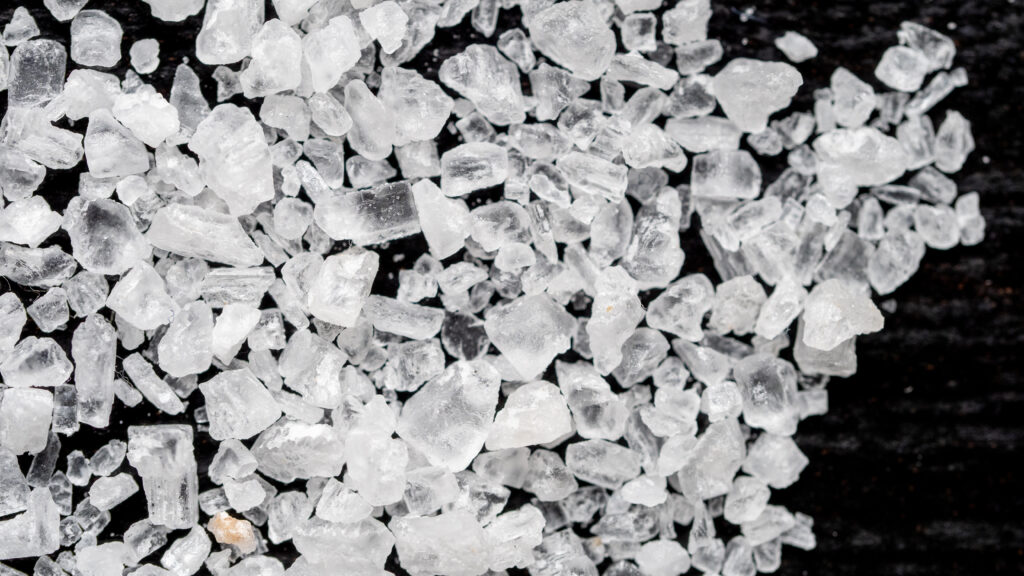
Two very different products share the name. One is salt held for a day or more in cold smoke from alderwood, oak, hickory or applewood, where the crystals pick up both aroma and a pale colour. The other is salt tumbled with a smoke flavouring and often a colouring agent, which is a legitimate product and a much cheaper one. The ingredient list separates them in about four seconds.
Either way it belongs at the end. Smoke aroma sitting on the surface of a salt crystal evaporates in a hot pan, so salting a braise with it is an expensive way to salt a braise. Sprinkle it on a sliced tomato, a soft-boiled egg, roasted potatoes, grilled corn or a bowl of popcorn, where the crystal dissolves on the tongue and the aroma arrives with it.
It is salt, and it should replace the salt already in the dish rather than sit on top of it. Anyone cooking for a household where sodium is being watched should treat it exactly as they treat any other salt and raise the question with a doctor rather than assuming a specialty product behaves differently. It does not.
Which ones survive a long cooking time
Put the same pot of beans on four times, once with each, and the differences show up around the ninety-minute mark. Chipotle is the most durable, because the smoke is inside the flesh of a whole pepper that keeps releasing as it softens, and a pot that is barely smoky at thirty minutes is properly smoky at three hours.
Pimenton holds its colour completely and about half its aroma. The working method is to split the dose: half into the fat at the start for the base note, half stirred into a spoonful of warm oil and swirled in during the last ten minutes for the top note. That two-stage approach is the single most useful habit here.
Lapsang goes the wrong way, as described. Smoked salt is not in the running, since it is not a cooking ingredient. If a recipe simmers for more than an hour, the choice is really between the pepper and the powder, and the best pots use both, since one supplies depth and the other supplies the immediate hit.
The dose line between depth and an ashtray
Depth means a person at the table cannot name the ingredient. They will say the dish tastes like it was cooked outdoors, or that it reminds them of something, and they will not identify what is doing it. That is the target, and it sits lower than most recipes suggest.
The ashtray is roughly double. One teaspoon of pimenton in a pot for four is depth; two and a half is a dish that tastes of the tin. One chipotle is background; three is the only thing anyone tastes. A teaspoon of ground tea leaf is a note; a tablespoon is a pot that tastes burnt without anything having burned.
A pot that has crossed the line cannot be argued back, only diluted. Add more of everything else, add fat, which mutes phenolics faster than anything, and add acid, which pushes the palate elsewhere. A squeeze of lemon into an oversmoked pot of beans is not a fix but it buys back about a third of the distance.
Four dishes to test them in
White beans with pimenton. A pound of soaked beans with onion, bay and a strip of orange peel, simmered until soft. At the end, warm four tablespoons of olive oil with two chopped garlic cloves, pull the pan off, stir in a heaped teaspoon of pimenton dulce, and pour the lot into the pot. Salt after.
Sweet potato and black bean stew with chipotle. Onion, garlic, cumin, one chopped chipotle plus a teaspoon of its adobo, two pounds of cubed sweet potato, a can of tomatoes, two cans of black beans, thirty minutes. Lime and coriander at the end. This is the clearest demonstration of smoke working against sweetness.
Pork shoulder braised with lapsang. Brown three pounds of cubed shoulder, add onion, garlic, soy, a spoonful of brown sugar and stock to come halfway up. Two hours covered, then a strong cup of brewed lapsang for the last forty minutes, uncovered.
Anything at all with smoked salt. Tomatoes, eggs, roast potatoes, corn on the cob. It takes eight seconds and it is the fastest way to understand what the other three are trying to do more slowly, which is roughly the logic behind most smoke shortcuts worth using.
Liquid smoke, and two labels worth reading
Liquid smoke is not the artificial product its reputation suggests. It is made by burning wood, condensing the smoke into water, and filtering out the tars, which means the flavour compounds in the bottle are the same ones that would land on meat in a smokehouse. The reason it has a bad name is dosage: it is sold in a bottle that pours, and it works in drops.
Two or three drops into a pot for four, stirred into the fat with everything else. A teaspoon is far too much and produces the specific acrid note that people associate with the product. Read the ingredients, because some bottles add molasses, vinegar, caramel colour and salt, and those change a dish in ways that have nothing to do with smoke.
One thing none of these four does is preserve food. Smoking as a preservation method depends on drying, salt and a great deal of time, and a seasoning that tastes of smoke provides none of that protection. Smoked salt is not curing salt and should never stand in for it in a recipe that calls for one, since cured products depend on specific compounds for safety. Keep the pantry ones in the flavour column, refrigerate what you cook within two hours, and leave curing to recipes written for it. Anyone with a chile sensitivity should also note that chipotle in adobo brings both capsaicin and vinegar, and it belongs on the label check alongside the rest of a working spice drawer.
Frequently Asked Questions
Can I use ordinary paprika and add smoke separately?
Yes, and it is a reasonable fallback. Use sweet paprika for the colour and body, then two drops of liquid smoke or a quarter teaspoon of ground lapsang for the aroma. It is not identical, since oak smoke on pepper flesh has a rounder character, but it lands in the same neighbourhood.
Is smoked paprika the same thing as chipotle powder?
No. Chipotle powder is ground smoked jalapeno and carries real heat, somewhere in the middle of the scale. Smoked paprika in its sweet grade has almost none. Swapping one for the other at the same quantity will either flatten a dish or set it alight, depending on which direction you go.
What works as a bacon substitute in a vegetarian pot?
Smoked paprika plus a fat and a savoury element, not smoke alone. Olive oil, a teaspoon of pimenton, a spoonful of tomato paste cooked until it darkens, and a little soy or mushroom powder covers most of what the bacon was contributing. Smoke by itself just smells like a fire.
Can I smoke something on the stovetop?
You can, with a heavy pot, a rack, a handful of wood chips and a tight lid, and it works well for fish, cheese and nuts. It also fills a kitchen with smoke, so it needs an open window and a working extractor, and it is not something to attempt under a sensitive smoke alarm.
Do these lose strength in storage?
All of them do. Pimenton fades fastest, at six to nine months once opened. Dried chipotles hold a year or more if they stay in a sealed bag. Ground tea goes stale quickly and whole leaf keeps far longer. Smoked salt lasts indefinitely as salt but loses aroma over a year in an open dish.
Start with the beans and the pimenton, because it is the cheapest of the four experiments and the difference between the two-stage method and dumping the powder in at the start is immediately obvious. After that the question stops being which one to buy and becomes how much, which is the only question that ever mattered.