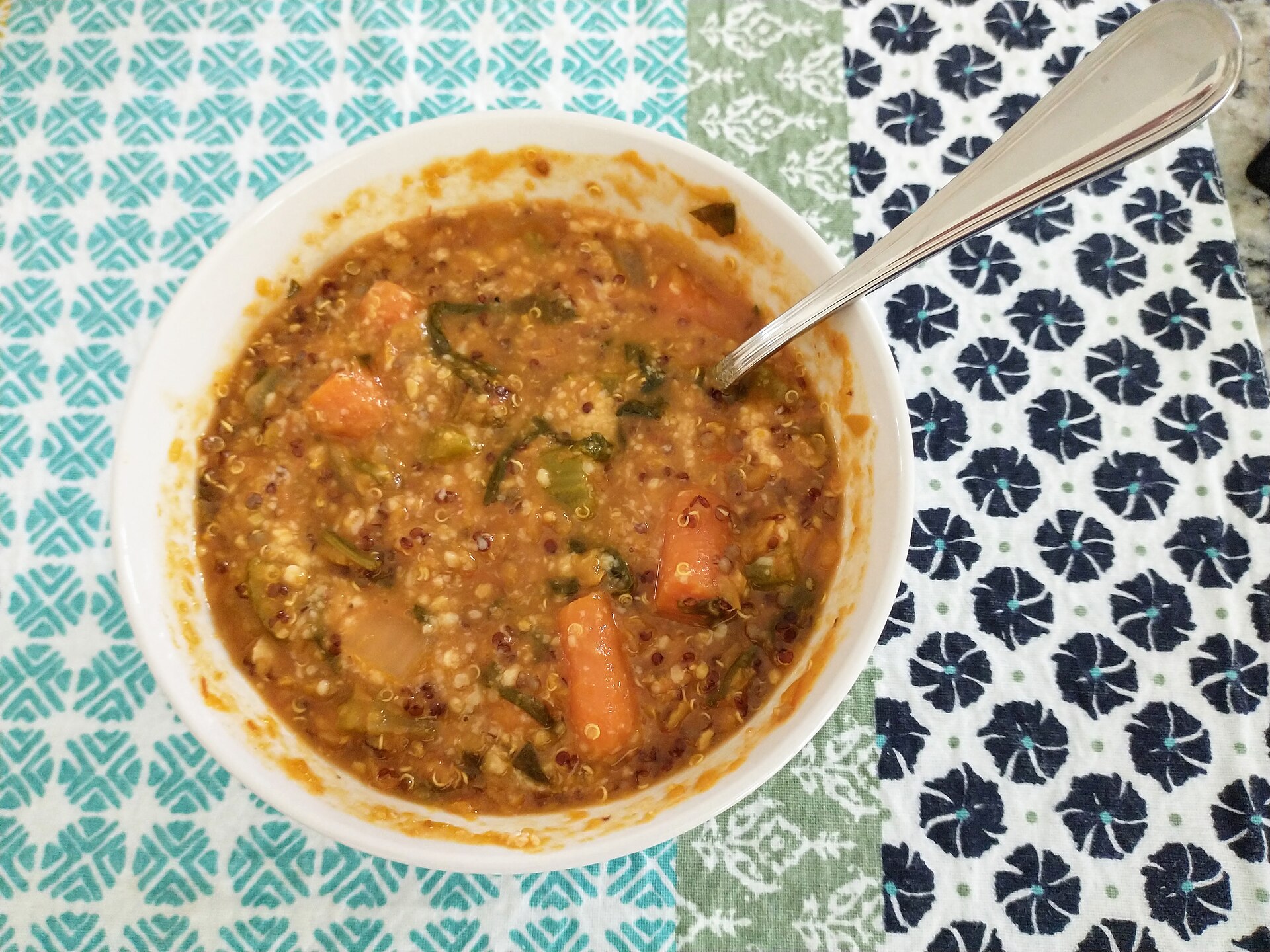
Twenty minutes into cooking, a pot of red lentils looks like nothing anyone would want to eat. Pale yellow, thick, slightly grainy, tasting mostly of salt and hot water. This is the point at which people decide lentils are worthy rather than good, and it is also the point at which the dish is about ninety seconds from being finished.
What happens in those ninety seconds is a small pan of fat taken to a high temperature, whole spices dropped in until they pop and darken, aromatics added for a few seconds more, and the whole thing poured over the pot with a hiss. That step has a dozen names across South Asia and it is not a garnish. It is where nearly all the flavour of the dish comes from.
The lentils are the easy part. No soaking, no supervision, no risk of them staying hard. The technique worth learning here is the pan that gets poured over at the end, and it applies to soups, beans, roasted vegetables and yogurt just as well as it does to this pot.
- Serves: four, with rice or flatbread
- Clock: 30 minutes, of which the lentils cook unattended for 20
- No soaking: split red lentils collapse from dry in under half an hour
- The ratio: one cup of lentils to three and a half cups of water, adjusted at the end
- The tarka: hot fat, whole spice, then aromatics, poured over off the heat
- Order of finishing: salt and acid after the lentils have collapsed, never before
Twenty minutes, no soaking, no supervision
Split red lentils, sold as masoor dal, have had their skins removed and been split in half. Without the skin there is nothing holding the shape, so they do not hold one: they swell, burst and dissolve into a thick puree in twenty to twenty-five minutes from dry.
That is the whole reason this is a weeknight dish rather than a weekend one. Whole lentils and most beans need soaking, longer cooking and some attention to whether they are done. Split red lentils are done when they look done, and the only failure mode is a pot left long enough to catch on the bottom.
Two other split pulses behave the same way and can be swapped in directly. Split mung, sold as moong dal, is a little lighter and cooks slightly faster. Split pigeon peas, toor dal, take about ten minutes longer and hold a bit more texture. Chana dal is not in this group and needs an hour.
What the tarka is, and what it is not
The technique is a small quantity of fat heated hard, spices bloomed in it in a specific order, and the result poured over a finished dish. It is called tarka, tadka, chaunk, baghar, phoron and other names depending on region and language, and the differences are more about which spices go in than about the method itself.
It is not a garnish and it is not seasoning sprinkled on top. Most of the aromatic compounds in whole spices are fat-soluble, which means they are unavailable to a pot of boiling water and fully available to a spoonful of very hot ghee. Cooking the same spices in the lentil pot from the start produces a noticeably duller dish using identical ingredients.
It is also fast, and that is part of the design. The whole operation takes ninety seconds from the pan hitting the heat to the pour, which means it can be done while the lentils sit finished on a low flame, and it can be repeated on the leftovers the next day to bring them back.
Whole spice, then ground, then aromatics: the order in the pan
Everything in the pan has a different tolerance for heat, and the order follows that. Whole seeds go in first because they need the most heat and the most time. Ground spices go in near the end because they burn in seconds. Fresh aromatics go in between, and anything with sugar in it, like sliced onion or tomato, goes last.
The sequence for a standard version: fat until it shimmers, black mustard seeds until they pop, cumin seeds for ten seconds until they darken a shade, dried chile and curry leaves for five seconds until the leaves crackle, then sliced garlic for twenty seconds until it turns pale gold. Off the heat, a pinch of asafoetida and a quarter teaspoon of chile powder or turmeric stirred into the residual heat, then poured immediately.
The single most common error is garlic that goes in with the seeds. Mustard seeds need the pan hot enough to make them jump, and garlic at that temperature is burnt in fifteen seconds, which turns the whole tarka bitter and unusable. Start again rather than pouring burnt garlic over twenty minutes of work.
A red lentil dal recipe on a thirty-minute clock
- Rinse one cup of split red lentils in a sieve under cold water until the water runs mostly clear, about thirty seconds.
- Put them in a saucepan with three and a half cups of water, half a teaspoon of turmeric and a slice of ginger. Bring to a boil.
- Skim the pale foam that rises in the first two minutes and discard it. Drop the heat to a simmer and leave the lid ajar.
- Simmer twenty to twenty-five minutes, stirring twice, until the lentils have collapsed and the pot is thick. Add a teaspoon of salt and stir.
- Adjust the consistency with hot water. It should pour slowly off a spoon rather than sit on it in a mound.
- Heat three tablespoons of ghee or neutral oil in a small pan over medium-high until it shimmers.
- Add a teaspoon of black mustard seeds. When they pop, add a teaspoon of cumin seeds, then five seconds later two dried red chiles and a sprig of curry leaves. Stand back; the leaves spit.
- Add four thinly sliced garlic cloves and cook twenty seconds until pale gold, not brown. Take the pan off the heat.
- Stir in a pinch of asafoetida and a quarter teaspoon of Kashmiri chile powder, which will bloom in the residual heat without burning.
- Pour the whole pan over the dal, stir once so it streaks rather than disappears, add the juice of half a lemon and a handful of chopped cilantro, and serve.
The water ratio, and the consistency argument
Three and a half cups of water to one cup of lentils gives a pourable dal that suits rice. Three cups gives something thicker that suits flatbread. Four and a half gives a soup. All three are legitimate and the argument about which is correct is a regional and household one rather than a technical one.
The practical approach is to cook it slightly thicker than you want and let hot water fix it at the end. Lentils absorb unpredictably depending on age, and a pot that has gone too thin can only be reduced, which takes ten minutes and risks catching on the bottom.
It also thickens on standing, considerably. A pot that is perfect off the stove is stiff twenty minutes later and solid the next day, so the version that goes to the table should look slightly looser than the version you have in mind.
Ghee, coconut oil, or neutral: the fat decides the smell
| Fat | What it brings | Suits | Note |
|---|---|---|---|
| Ghee | Nutty, rich, the traditional default | Everything, and especially a plain dal | High smoke point, no milk solids to burn |
| Coconut oil | Sweetness and a distinct aroma | Versions with curry leaves and mustard seed | Use the unrefined kind for the flavour |
| Neutral oil | Nothing, which is sometimes right | When the spices should be the only note | Sunflower, groundnut or rice bran |
| Mustard oil | Pungency and a sharp edge | Eastern versions, fish, pickles | Heat it until it stops smelling raw |
Three tablespoons for a pot serving four sounds like a lot and is the correct amount. The fat is the delivery system, and a tarka made with one tablespoon does not carry the spices through the pot; it sits on top in a small puddle and the last two bowls get none of it.
Ninety seconds, and how to tell when it is done
There is no thermometer involved and no clock that helps much. The pan tells you, through three signals in sequence, and once you have seen them once they are unmistakable.
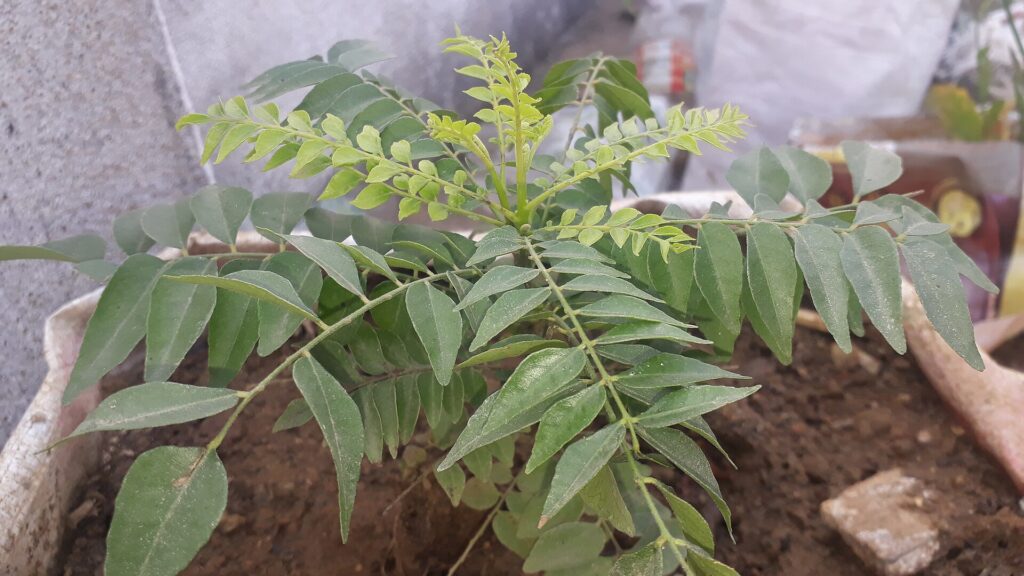
Mustard seeds pop audibly, like small popcorn, and that is the signal the fat is hot enough for everything else. Cumin seeds darken by one shade and release a smell that changes from dusty to toasted, which takes about ten seconds and turns bitter at twenty. Curry leaves crackle violently and go translucent, and that happens in about five seconds.
Garlic is the one to watch, since it goes from pale gold to burnt inside ten seconds and carries on cooking after the pan leaves the heat. Pull it a shade lighter than you want. Ground spices should never see direct flame at all: off the heat, stirred into fat that is still hot, is the only safe way to add them.
Salt and acid go in after the lentils collapse
Salt slows the softening of pulses, and while split red lentils are forgiving enough that a pinch at the start does no real harm, the habit is worth keeping. Salt once the pot has broken down, taste, and adjust, since the volume has changed a great deal by then and salting early means guessing.
Acid is stricter. Lemon, tamarind, tomato or yogurt added while the lentils are still cooking will hold them together and slow everything down measurably. Everything sour goes in at the end, off the heat, and lemon in particular loses its brightness with any further cooking.
The finishing sequence, in order: salt, then water to adjust, then the tarka poured over, then acid, then fresh herbs. Doing that in a different order gives a flatter dish using the same ingredients, which is a fair summary of the whole technique.
Four tarkas for the same pot
The everyday one. Ghee, cumin seeds, sliced garlic, dried chile, a pinch of asafoetida, chile powder off the heat. Fifteen seconds of work and it suits any pulse.
The southern one. Coconut oil, black mustard seeds, curry leaves, dried chile, and a sliced shallot cooked until it colours. This is the one that most changes the character of the pot.
The onion one. Ghee, cumin, then a whole sliced onion cooked properly brown, which takes twelve minutes rather than ninety seconds and is worth it occasionally. Tomato and a spoonful of ground coriander at the end.
The bare one. Ghee and a teaspoon of cumin seeds, nothing else, poured over a pot seasoned with nothing but salt. This is the version to cook when something else on the table is doing the heavy work, and it belongs in the same category as the other short weeknight methods.
What to eat with it, and what it delivers
Rice is the obvious partner and the proportions matter: this is not a soup with rice in it but a bowl of rice with dal over a third of it. Flatbread works equally well and turns it into something eaten with the hands. A spoonful of plain yogurt on the side is standard and does more than it looks like it does, since the cooling and the acidity both cut the fat in the tarka.
A cup of dry lentils gives roughly four servings at about eighteen grams of protein per cup dry, which spread across four bowls is a moderate rather than a large amount. Pair it with rice, which supplies the amino acids lentils are lower in, and the combination is a complete protein and has been the backbone of a great many diets for a very long time.
What it lacks is anything green and anything crunchy. A handful of spinach wilted into the pot at the end, or a chopped tomato and onion salad with lemon on the side, fixes both in two minutes and turns a plain bowl into a full plate, which is the same logic behind most well-built vegan dinners.
Hot fat, spitting seeds, and two things to check
The tarka involves hot fat and ingredients that contain water, which means it spits. Curry leaves are the worst offenders and they should go in from the side of the pan rather than dropped from above, with a lid held ready in the other hand. Keep children and sleeves away from the stove for that ninety seconds, and never pour the hot fat over a pot you are leaning across.
Two label checks are worth making. Asafoetida is almost always sold cut with wheat flour or rice flour as an anti-caking agent, and the wheat version is a genuine problem for anyone avoiding gluten. Compounded blocks and some ground packets differ, so read rather than assume. The second is ghee, which is a dairy product despite the milk solids being removed, and it is not a safe assumption for a severe dairy allergy.
Store the cooked dal in the refrigerator within two hours in a shallow container rather than in the deep pot, and eat it within three or four days. It reheats well with a splash of water and, better, with a fresh tarka poured over, which brings back nearly everything the refrigerator took out. This is one of the few dishes where the second day genuinely competes with the first, and the rest of that argument lives in the broader spice technique.
Frequently Asked Questions
Do red lentils really need no soaking?
None at all. They are split and skinned, so water penetrates immediately and they collapse in twenty minutes from dry. Rinsing is worth doing to remove surface starch and dust, but soaking gains nothing and can make them break down before they have cooked.
My dal tastes flat even with the tarka. What is missing?
Usually salt or acid rather than spice. Taste it, add a good pinch more salt, then a squeeze of lemon, and taste again before adding anything else. If it is still flat after that, the tarka was probably made with too little fat to carry through the pot.
Can I use canned lentils?
Not for this. Canned lentils are whole and cooked to hold their shape, which is the opposite of what this dish needs. They make a decent lentil soup with the same tarka poured over, and that is a different and perfectly good dinner.
What can replace curry leaves?
Nothing tastes like them, so the honest answer is to leave them out rather than substitute. They are sold fresh at South Asian groceries and they freeze well on the stalk, which is the practical solution. Dried ones have very little left in them.
Why did my pot catch on the bottom?
Lentils that have collapsed are thick and they conduct heat badly, so the bottom layer sits directly on the burner while the top insulates it. Use a heavy pan, keep the heat genuinely low once it thickens, and stir across the base every few minutes in the last stretch.
Cook the pot once with the spices stirred in at the start and once with the tarka poured over at the end, using the same ingredients in the same amounts. The difference is not subtle, and it is the argument for keeping a small pan and a jar of whole seeds within reach of the stove.