A cook I trust once handed me a bowl of lentils that had gone flat and asked what it needed. I put a squeeze of lemon in half of it and a pinch of grated peel in the other half. The juiced half got brighter and thinner. The zested half got rounder and smelled like a different dish. Same fruit, ten seconds apart, two unrelated results.
That is the part most recipes skip. They write lemon as though it were one ingredient, when it is at least three: the oil held in the coloured skin, the acid held in the flesh, and the salted, fermented version that sits in a jar for a month and comes out tasting of neither. Each does a job the other two cannot do.
What follows is the three of them measured against each other, the point in the cooking where each belongs, the swaps that work, and one dish that genuinely needs all three in the same pot.
- Peel: aromatic oil, no acid, destroyed by long heat, goes in late or off the heat
- Juice: roughly 5 to 6 percent citric acid, mostly water, fades with cooking, add at the end and again at the table
- Preserved: salt-cured for a month, almost no brightness left, contributes savoury depth and a soft bitterness
- Not interchangeable: none of the three substitutes cleanly for another
- The cheapest upgrade: zest a lemon before you cut it, every single time
- Keeps: zest frozen for months, juice three days refrigerated, preserved lemons about six months in the refrigerator once opened
Zest vs juice cooking arguments usually miss the third jar
The debate people have in the kitchen is a false pair. Zest and juice are not two settings on the same dial, and preserved lemon is not a stronger version of either. They come from different parts of the fruit and, in the case of the preserve, from a chemical process that removes most of what made it a lemon.
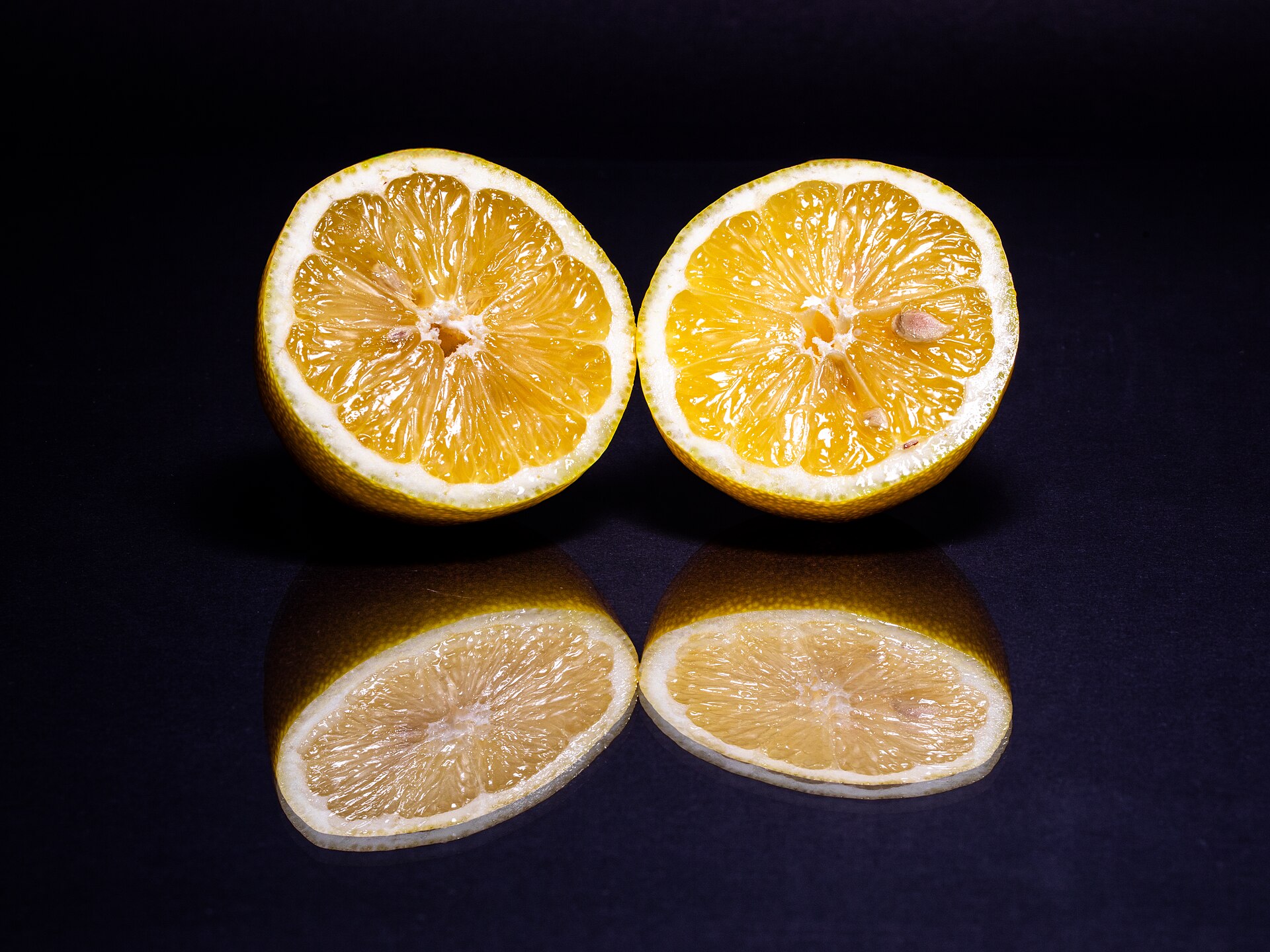
The peel is where the essential oil lives, held in thousands of tiny sacs in the coloured outer layer. Limonene dominates it, along with citral and a handful of other aromatics. None of it is sour. Grate the peel onto your hand and lick it: you get perfume and a faint bitterness, and no acid at all.
The flesh is the opposite. Juice is around nine-tenths water with citric acid doing the work, plus a small amount of aromatic compounds that boil off quickly. Preserved lemon is the whole fruit packed in salt until the peel goes soft and translucent, the harsh bitterness leaches out, and the fruit turns savoury.
Three products from one fruit, on one table
The table below is the version I keep in my head when deciding which one a dish wants. The amounts assume four servings and a medium lemon, which yields roughly two teaspoons of packed zest and three tablespoons of juice.
| Product | What it contributes | Survives heat? | Goes in | Amount for four |
|---|---|---|---|---|
| Zest | Aroma, faint bitterness, no acid | Poorly, past a few minutes | Off the heat, or into fat at the start | 1 to 2 teaspoons packed |
| Juice | Sharpness, thinning, some brightness | Acid stays, aroma leaves | End of cooking, plus more at the table | 2 to 3 tablespoons |
| Preserved peel | Salt, savoury depth, soft bitterness | Yes, it is built for long cooking | Start of a braise, or minced raw at the end | Peel of half to one lemon, rinsed |
| Preserved brine | Salt and a sour-savoury liquid | Yes | In place of part of the salt | 1 to 2 teaspoons |
The row that surprises people is the last one. The liquid in the jar is a seasoning in its own right and most cooks pour it down the drain when the peels run out. A teaspoon of it in a vinaigrette does something no bottle on the shelf duplicates.
The oil in the peel is volatile, and heat gets rid of it
Volatile means exactly what it says: those compounds evaporate. That is why you can smell a lemon being zested from across a room, and it is also why zest added at the beginning of a forty-minute braise contributes almost nothing by the time the pot comes off.
There are two ways to keep it. The first is to add it at the end, in the last minute or after the heat is off, which is right for soups, stews, pasta, and anything with a sauce. The second is to bind the oil to fat early, which is what happens when zest is rubbed into sugar for a cake, creamed into butter, or warmed gently in olive oil. Fat holds aromatics the way water does not.
The practical habit is boring and it works: zest the lemon before you cut it, put the zest in a small dish, and use it whenever the dish is nearly finished. Nobody has ever successfully zested a juiced half. The same logic runs through most of what is worth knowing about getting aroma into a dish rather than out of it.
Juice is acid diluted in water, and the dilution matters
A tablespoon of lemon juice is mostly water. In a vinaigrette that is fine, because oil is being added anyway. In a pan sauce that has just been reduced for eight minutes, three tablespoons of water arriving at the end undoes part of what the reduction accomplished.
That is the case for adding it in two stages. Put half in while the pan is still hot, let it cook for thirty seconds so the raw edge comes off and some of the water leaves, then add the rest away from the heat where it stays sharp. The two additions taste different and the dish wants both.
Bottled juice is a separate product and it is worth being honest about it. It carries a cooked, slightly flat note from pasteurisation and usually a preservative, and in anything where the lemon is tasted directly it is obvious. In a marinade, a brine, or a pot of long-cooked beans, nobody will find it. Buy it for those and squeeze fresh for the rest.
Preserved lemon is salt, time, and a different ingredient entirely
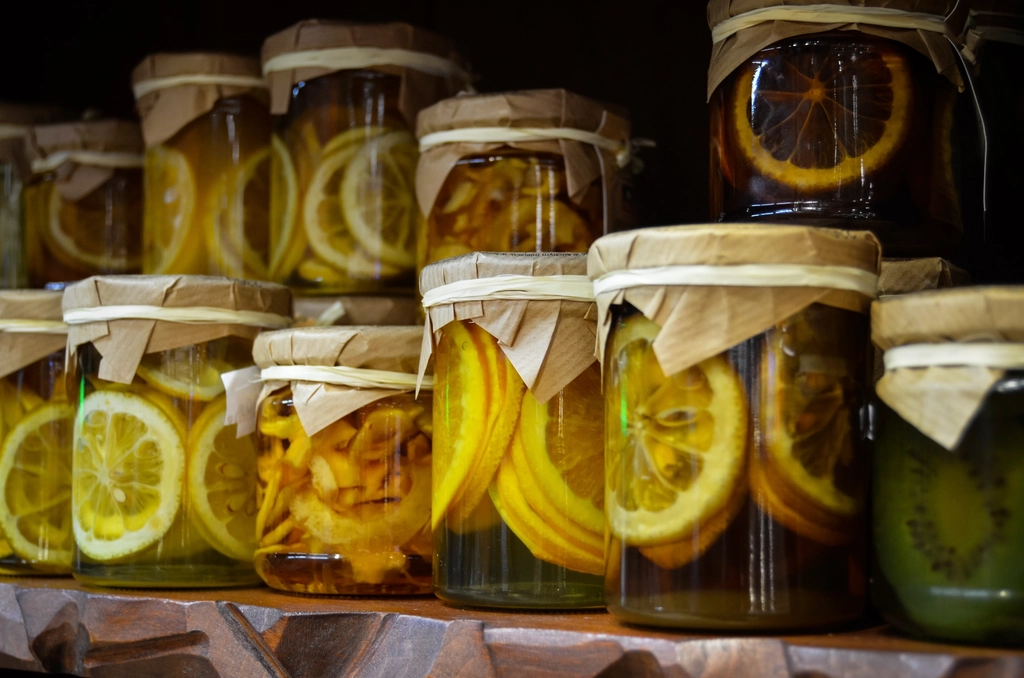
Quartered lemons packed hard with salt sit for three to six weeks. The salt pulls water out of the peel, the fruit half-drowns in its own juice, and the pith softens from something inedible into something you can chew. Most of the bitterness leaves with the water. What is left is salty, faintly sour, and unmistakably savoury.
Only the peel is worth using in most dishes. The pulp is soft, extremely salty, and mostly liquid; it can go into a dressing or a braise where it dissolves, but it will make a chopped salad taste like brine. Scrape it away, rinse the peel to take the surface salt off, and mince it finely.
The important part for planning: preserved lemon does not brighten anything. If you swap it in where a recipe asked for juice, the dish gets saltier and deeper and stays exactly as dull as it was. It belongs to the same family of ingredients as anchovy and olive, and it should be thought about that way, which is closer to what salt and time do to any preserved food than to anything citrus.
The pith, the wax, and how to zest without bitterness
The white layer under the colour is the pith, and it is where most of the bitter compounds sit. A rasp grater takes the colour and leaves the pith behind, which is why it is the right tool for anything finely grated. A vegetable peeler takes strips with some pith attached, which is correct for infusions where the strips come out again.
Turn the lemon rather than the grater and stop the moment white shows. Going over the same patch twice is the single most common cause of bitterness in a lemon cake, and it is entirely avoidable.
Most supermarket lemons carry a food-grade wax coating, applied to slow moisture loss in transit. It is not harmful, but it does hold whatever was on the fruit before it. Scrub the skin under warm running water with a brush before zesting, particularly for any dish where the peel is eaten raw. Unwaxed or organic fruit still needs washing, since washing is about what is on the surface rather than about the wax.
One roast chicken, seasoned three ways
I cooked the same bird three times over a week to see how far apart the three products actually land. Same chicken, same salt, same oven, same time. The only variable was the lemon.
The juiced version, half a lemon squeezed over at the end, tasted like roast chicken with lemon on it. Pleasant, obvious, and gone within a few bites. The zested version, peel rubbed into softened butter and pushed under the skin, smelled enormous coming out of the oven and tasted of lemon all the way through the meat, with no sourness anywhere.
The preserved version, peel minced and mixed into the same butter, produced something nobody at the table identified as lemon at all. They said it tasted seasoned, or aged, or like it had been marinated overnight. That is the tell: the preserve does its work below the level where people can name it.
The dish that needs all three in the same pot
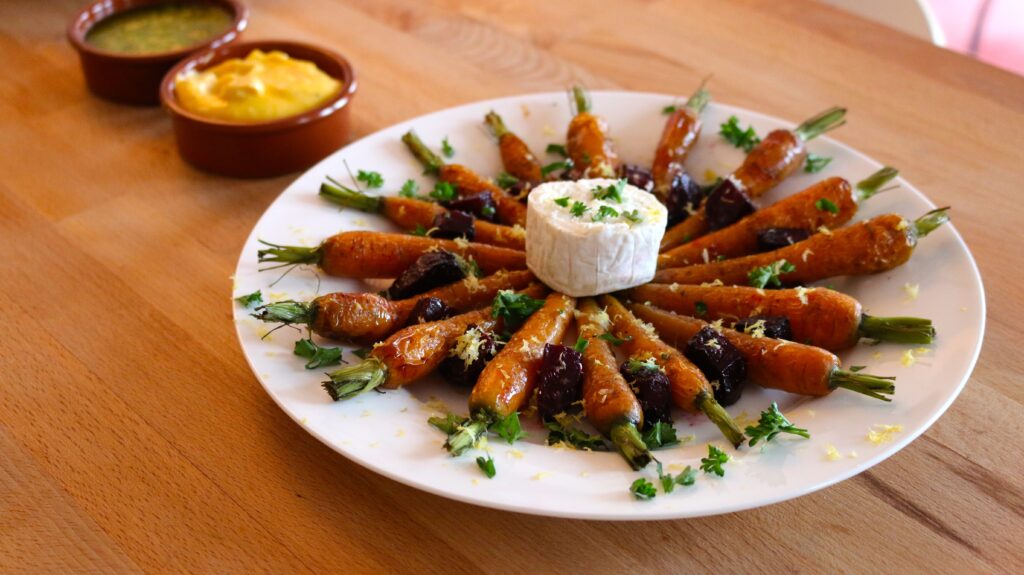
A chicken tagine with olives is the clearest case. Preserved lemon goes in with the onions and the spices at the start and cooks for the full hour, giving the sauce its salt and its background. Grated fresh zest goes in during the last two minutes, which puts the perfume back that the long cooking removed. Juice goes on at the table, a wedge per plate, for the sharpness that neither of the other two provides.
Leave any of the three out and you can hear the gap. Without the preserve it is a lemon chicken. Without the zest it smells of nothing when the lid comes off. Without the juice it sits heavy and needs something the diner cannot supply.
The same three-layer approach works on a fish braise, on a bowl of chickpeas, and on almost any long-cooked vegetable dish, and it is a useful thing to try once deliberately so the roles stop being theoretical. It fits the broader habit of building a dish in layers rather than in one pass.
Substituting, and the two swaps that never work
Going from zest to juice is the swap people reach for most often and it is the weakest. Two teaspoons of zest are not replaceable by three tablespoons of juice; you get water and acid where you wanted aroma. If there is no fresh fruit, a strip of dried peel warmed in the cooking fat gets closer than the bottle does.
Going from juice to preserved lemon fails in the other direction. The preserve brings salt and no lift, so a dressing made that way needs its salt cut back and still needs something acidic. Vinegar is a better stand-in for juice than the preserve ever is, and among the acids that finish a plate it is the closest match on structure.
The swaps that do work: lime zest for lemon zest in most savoury cooking, at slightly less volume since it is more assertive; verjus or a mild white wine vinegar for juice at roughly equal volume; and a mix of finely chopped green olive and a squeeze of juice as a rough stand-in for preserved lemon when the jar is empty.
Buying, storing, and the safety line on the jar
Buy heavy lemons with thin, tight skin for juice and thicker, bumpier ones for zest, since the coarser fruit carries more oil in the peel. Zest that is not being used immediately freezes well in a small container and keeps its aroma for months, which is a better outcome than a naked lemon rolling around the refrigerator. For most kitchens, the lemon is one of the few ingredients worth buying weekly whether or not there is a plan for it.
Making preserved lemons at home is straightforward and the safety comes from one thing: enough salt, and the peels staying under liquid. Use a generous quantity of salt rather than a measured minimum, press the fruit down so the juice covers everything, top up with more fresh juice if it does not, and keep the jar out of direct sun. Fermenting foods can push a lid up, so open it over a sink for the first week.
Two lines worth not crossing. Do not cover preserved lemons, or garlic, or herbs, with oil and leave the jar at room temperature: low-acid material under oil with no oxygen is the classic setup for botulism, and an oil-topped jar belongs in the refrigerator and gets used within a few days. And discard any jar showing fuzzy or coloured mould, a bad smell, or peels that have gone slimy rather than soft. A white film on the surface is usually harmless yeast and can be lifted off, but anything else is not worth the argument.
Frequently Asked Questions
How much zest does one lemon give?
A medium lemon yields roughly two teaspoons of packed zest and about three tablespoons of juice. Larger fruit gives proportionally more zest but not always more juice, since thick-skinned lemons often have less flesh inside than their size suggests.
Can I use the pith at all?
In fresh fruit, no; it is bitter and unpleasant. In a preserved lemon, yes, because the salt cure removes most of what made it bitter and softens the texture. That is the one context where the whole peel goes into the dish.
Does microwaving a lemon give more juice?
Slightly, and rolling it firmly under your palm on the counter does most of the same work without heating anything. Ten seconds in the microwave helps a cold, firm lemon; the difference is real but small, and a hot lemon is harder to hold.
How long do preserved lemons take before they are usable?
Three weeks at minimum, and they improve noticeably through the second month. The sign is the peel: when it has gone translucent and yields easily to a fingernail, it is ready. A jar opened at two weeks tastes mostly of salt.
Is there anything the three of them share?
Almost nothing except the fruit they came from. If you want a single practical rule, it is that peel is aroma, juice is acid, and preserve is salt, and a dish that needs one of those rarely needs the other two in its place.
Keep a lemon on the counter and zest it before it gets used for anything else. That one change costs ten seconds and does more for weeknight cooking than any bottle bought specifically to fix flat food.