Walk through any menu built around squash, pumpkin, or roasted poultry between October and January and the same three ingredients keep appearing together: sage, browned butter, and a small amount of nutmeg. It shows up over ravioli, under a roast chicken’s skin, folded into mashed potatoes, and spooned across a tray of butternut squash, in restaurants that otherwise share nothing in common.
That is not coincidence and it is not a lack of imagination among cooks. The three ingredients solve three separate problems that fall produce actually has, and they solve them in a way few other combinations manage at once: sage’s resinous bitterness cuts sweetness, browned butter adds a nutty depth that plain butter cannot, and nutmeg supplies a warm background note without tasting overtly like a dessert spice.
What follows is why the combination works chemically and not just traditionally, the ratio that keeps it from tipping into a spice cake, and the one ingredient most recipes leave out that fixes the combination when it starts to taste like every other fall dish on the table.
- The three: sage, browned butter, a small amount of nutmeg
- What each does: bitterness, nuttiness, warmth
- The working ratio: about a tablespoon of fresh sage and an eighth of a teaspoon of nutmeg per half cup of butter
- The fourth ingredient: acid, usually lemon or a splash of vinegar, added at the very end
- Where it belongs: squash, pumpkin pasta, roast poultry, mashed potatoes
- The failure mode: too much nutmeg reads as dessert, too little sage reads as plain butter
Sage brown butter, and why the combination is older than any single recipe
Sage and browned butter together predate any specific dish credited with inventing the pairing, showing up across Italian, French, and German cooking wherever butter and fresh sage were both on hand in the same season. Sage grows through the cooler months when many herbs have already died back, which put it in reach exactly when the year’s squash, pumpkin, and root vegetables were also coming out of the ground.
The technique itself, frying whole sage leaves in butter until both the butter and the leaves turn a deep golden brown, is old enough that no single culinary tradition claims to have invented it, and it survives specifically because it does something no other simple sauce accomplishes as efficiently: two ingredients, five minutes, and a sauce with genuine depth.
What browning the butter actually changes
Browned butter, called beurre noisette in French for its hazelnut-like aroma, forms when the milk solids in butter, which sink to the bottom of the pan as the water cooks off, toast in the residual butterfat. That toasting is a Maillard reaction, the same browning chemistry responsible for a seared steak or a crusty loaf of bread, and it produces dozens of new aromatic compounds that plain melted butter never develops.
The practical result is a butter that tastes distinctly nutty and faintly caramelized rather than simply fatty, and that nuttiness is what gives the whole sage and nutmeg combination its depth. Plain melted butter with the same sage and nutmeg added tastes noticeably flatter, missing the toasted backbone that browning supplies.
Sage: the bitterness that keeps sweetness in check
Squash, pumpkin, and sweet potato are all naturally sweet once roasted, and left unchecked that sweetness pushes a savory dish toward tasting like dessert. Sage’s resinous, slightly camphorous bitterness is one of the more effective counters to that sweetness among common herbs, more assertive than thyme and less floral than rosemary, which is part of why it specifically, rather than another herb, became the standard partner for these ingredients.
Fresh sage matters more here than in most other applications. Dried sage carries a dusty, muted version of the same bitterness and lacks the crisp texture fresh leaves take on once fried in hot butter, which is itself part of the dish’s appeal, not just a garnish.
The fourth ingredient that keeps it from tasting like every other fall dish
Sage brown butter and nutmeg, made correctly, is still a rich, warm, slightly sweet-leaning sauce, and after the third or fourth dish built on it in a single meal, most people start to notice a sameness across the table. The fix is a small amount of acid, added at the very end, off the heat: a squeeze of lemon, a few drops of sherry vinegar, or in some regional versions a splash of apple cider vinegar.
The acid does not compete with the browned butter’s nuttiness; it cuts underneath the richness and resets the palate slightly, which is the difference between a sauce that tastes heavy by the third bite and one that stays interesting through the whole plate. Most recipes for this combination leave acid out entirely, which is the most common reason people describe fatigue with an otherwise well-made version of the sauce.
The ratio that works, and the two ways it goes wrong
| Component | Amount per half cup butter | What too much looks like |
|---|---|---|
| Fresh sage, whole leaves | About 10 to 12 leaves | Bitter, medicinal, overwhelms the dish |
| Nutmeg, freshly grated | About 1/8 teaspoon | Reads as dessert spice, pumpkin pie rather than dinner |
| Acid, at the end | 1 to 2 teaspoons lemon or vinegar | Curdles the butter if added too early or over direct heat |
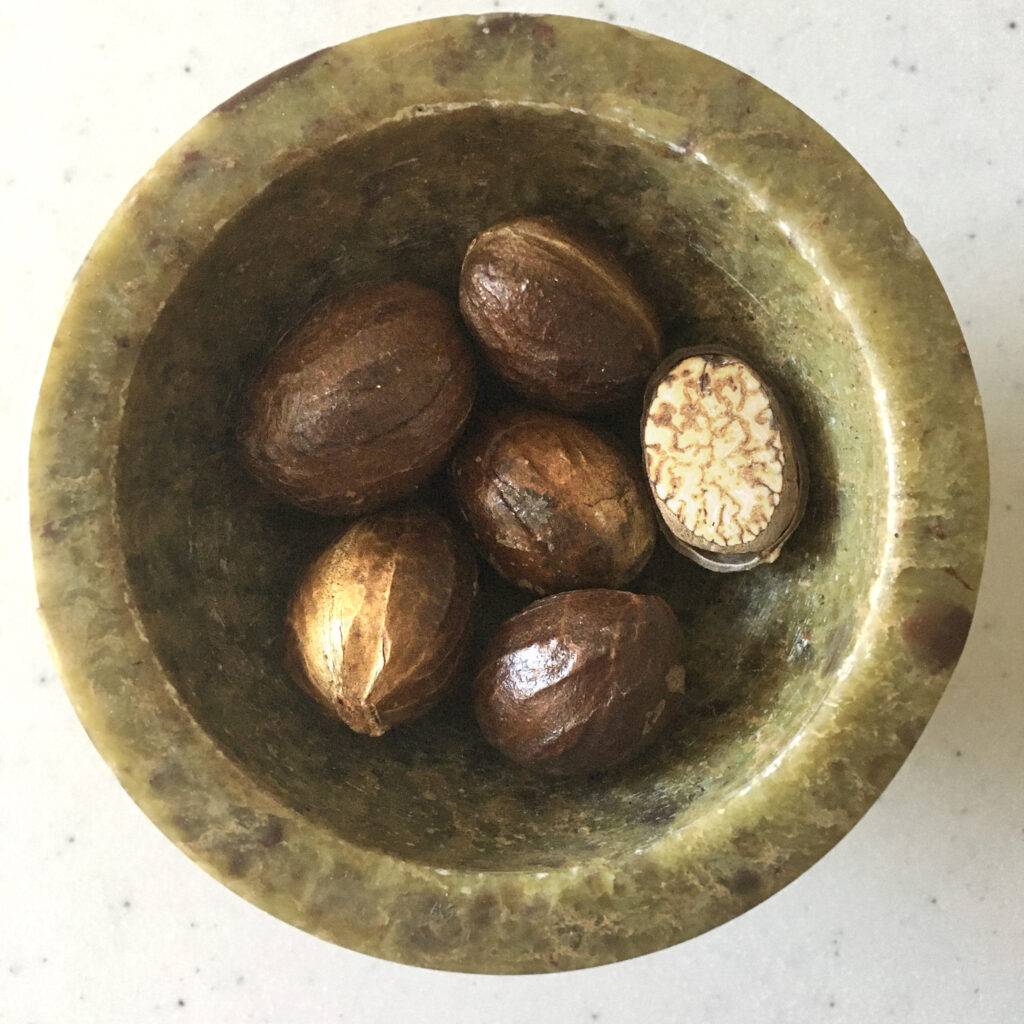
Nutmeg is the ingredient most likely to be overused, since a little goes further than most people expect and the difference between a background warmth and an overt spice note is a matter of a sixteenth of a teaspoon in a home-sized batch. Grate it fresh rather than using pre-ground nutmeg, which loses its aromatic oils quickly once ground and needs more volume to deliver the same effect.
Where it belongs: squash, pasta, poultry, potatoes
Butternut or delicata squash, roasted and finished with a spoonful of the sauce poured over just before serving, is the most common application and the one most home cooks encounter first. The squash’s own sweetness and the sauce’s bitterness and nuttiness are close to a textbook pairing, which is likely why this combination is so strongly associated with squash specifically even though it works well beyond it.
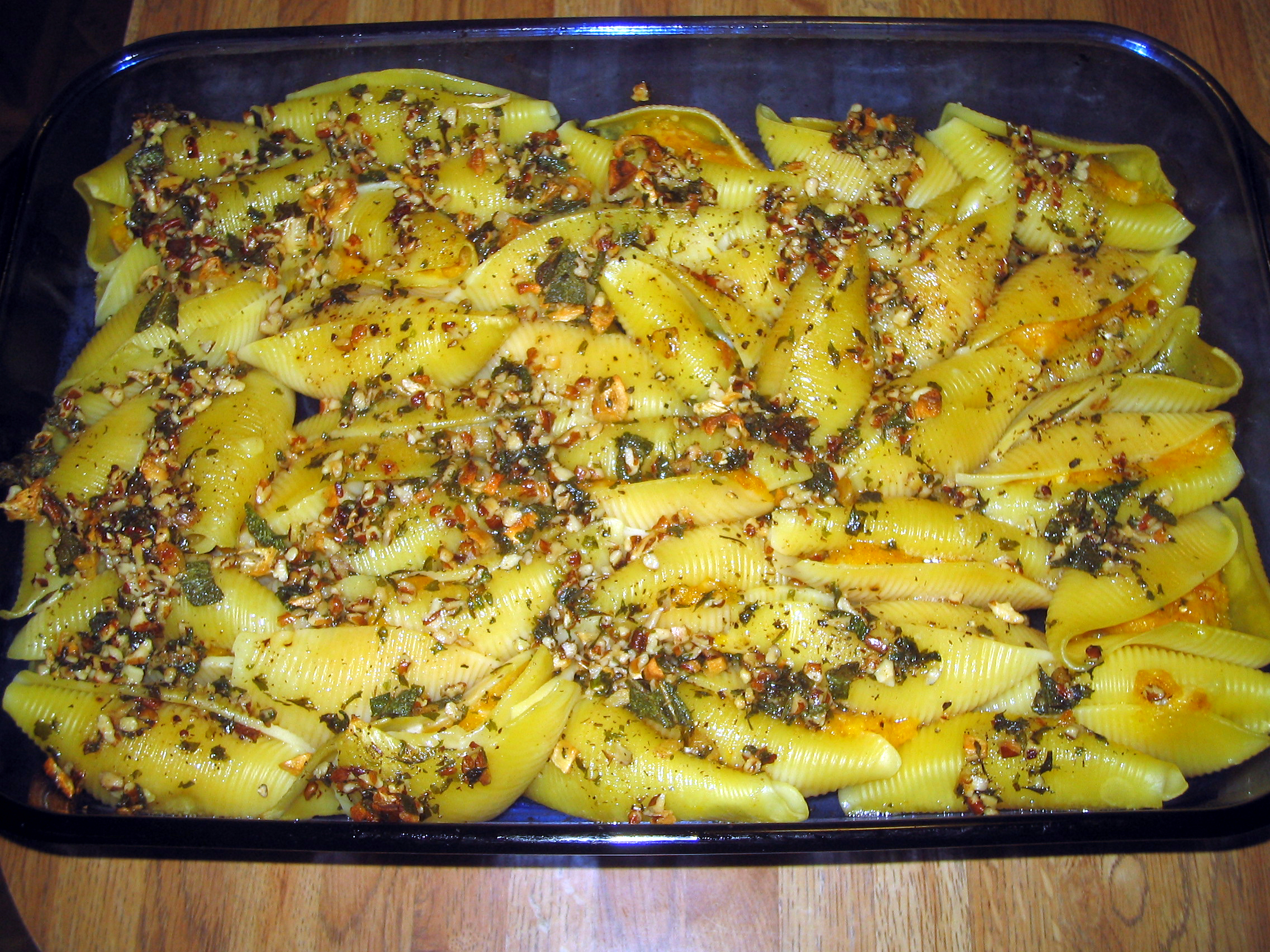
Pumpkin or squash ravioli tossed directly in the sauce, with the crisped sage leaves scattered on top rather than blended in, is the restaurant-standard use, and it works because the pasta’s own richness needs exactly the acidic lift the fourth ingredient provides, or the whole plate turns heavy fast. Roast chicken, with a portion of the sage butter pushed under the skin before roasting and the rest spooned over at the table, brings the same combination to a protein rather than a vegetable. Mashed potatoes finished with a spoonful in place of some of the plain butter add depth to a dish that otherwise depends entirely on dairy and salt for its flavor.
Frying the sage leaves without burning them
Whole sage leaves fried in butter go from perfectly crisp to bitter and burnt within about fifteen seconds, which is a narrower window than most people expect from a dried herb, and fresh sage is even more forgiving of that mistake than it should be, since the leaves darken quickly and can look fine while already tasting scorched.
Add the leaves once the butter has just started to smell nutty and turn golden, not before, since leaves added to cold or barely warm butter release moisture and steam rather than crisp. Watch for the color change directly, remove the pan from the heat the moment the leaves are crisp and the butter is a deep amber, and pour it immediately over whatever it is finishing, since carryover heat in the pan continues cooking both the butter and the leaves for another few seconds even off the burner.
Making it ahead, and the one part that does not hold well
The browned butter itself keeps for several days refrigerated and reheats gently without losing much of its character, which makes it reasonable to make a batch ahead for a holiday meal with several other dishes competing for stovetop time on the day itself. What does not hold well is the crisp texture of the fried sage leaves, which soften within an hour or two even at room temperature and lose the textural contrast that makes them worth frying in the first place.
For a make-ahead plan, brown the butter and infuse it with the sage stems or a portion of whole leaves left in until the flavor develops, then fry a fresh batch of leaves just before serving for garnish, keeping the flavor infusion and the visual, crunchy garnish as two separate steps rather than one.
Substitutions when sage or nutmeg are not on hand
Fresh rosemary or thyme can stand in for sage in a pinch, though both shift the flavor in a noticeably different direction, rosemary toward something more resinous and pine-like, thyme toward something earthier and less assertive. Neither replicates sage’s specific bitterness exactly, and a dish built around the substitute should be tasted and adjusted rather than assumed to behave the same way.
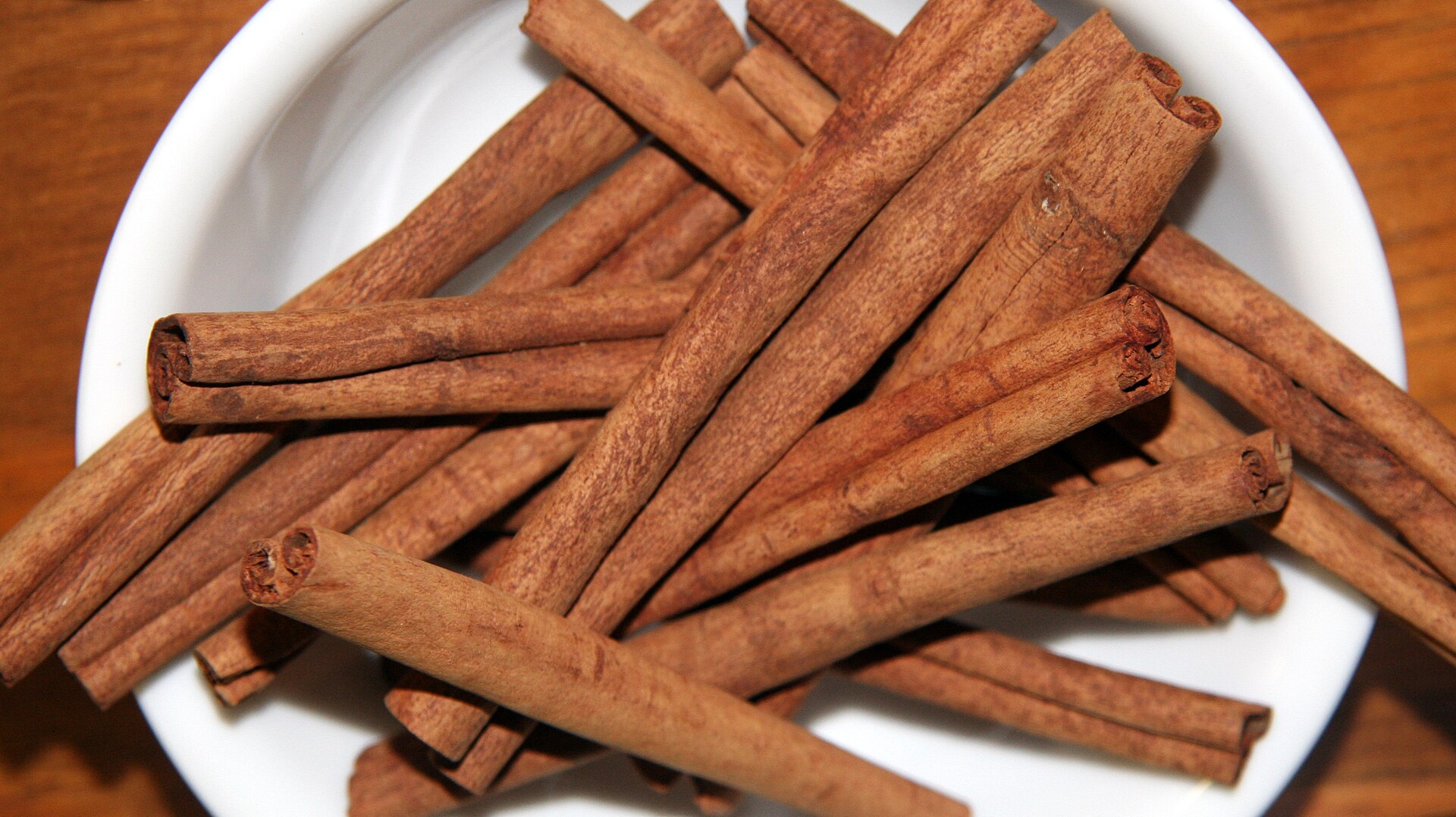
Allspice or a very small amount of cinnamon can replace nutmeg in a pinch, though both carry stronger and more distinctly sweet associations, and using either means using less than the nutmeg amount called for, tasting as it is added, to avoid tipping the dish further toward dessert territory than nutmeg itself already risks.
Why this combination reads as fall specifically, and not just as rich food
Plenty of rich, buttery sauces exist that nobody associates with a particular season, so the sage, browned butter, and nutmeg combination earning such a specific seasonal identity says something about how strongly its two flavor notes, sage’s bitterness and nutmeg’s warmth, are already tied in most people’s memory to squash, pumpkin, and the holiday table. Neither ingredient is exclusive to fall cooking on its own, but together, applied to fall produce specifically, the association has become close to automatic.
That association is worth understanding rather than fighting, since it means the combination carries expectations before a single bite. A dish using sage, browned butter, and nutmeg outside of a fall context, on a summer vegetable or a spring dish, will still taste good, but it will likely read to most people as somewhat out of place regardless of how well it is executed, simply because the flavor memory runs so strongly toward October and November.
Scaling the sauce for a full holiday table
A half cup of butter, browned with the ratios above, comfortably sauces four to six servings of a single vegetable side, but a full holiday table often calls for the combination across two or three separate dishes at once, the squash, the potatoes, and a portion for the bird. Rather than making one large batch and dividing it, browning butter in two or three smaller batches keeps the sage from oversteeping in a large volume of hot fat, which mutes its flavor faster than the same leaves in a smaller pan.
Nutmeg, by contrast, scales cleanly across a larger batch without the same risk, since its flavor holds steady rather than degrading with more time in hot butter. If time is short, it is more forgivable to scale up the nutmeg in one large batch than to skip the smaller-batch approach for the sage.
Frequently Asked Questions
Can this sauce be made with olive oil instead of butter?
Not really in the same sense, since the whole technique depends on browning milk solids that olive oil does not contain. A sage-infused olive oil with a pinch of nutmeg is a reasonable dairy-free alternative, but it will not have the same nutty depth that browned butter specifically provides.
How do I know when the butter is browned rather than burnt?
Browned butter smells nutty and toasted, similar to hazelnuts, and the solids at the bottom of the pan turn golden brown. Burnt butter smells acrid and the solids turn nearly black. The transition from browned to burnt happens quickly, so watch the pan rather than stepping away.
Why does my sauce taste flat even with all three ingredients?
Almost always a missing fourth ingredient: acid. A small squeeze of lemon or a few drops of vinegar stirred in off the heat at the very end resets the richness and is the step most recipes for this combination skip.
Is pre-ground nutmeg an acceptable substitute for freshly grated?
It works, but it fades fast once opened and needs roughly double the amount to deliver the same aroma as fresh. Buy whole nutmeg and a small grater if this combination gets used often through the season.
Can the sauce be reheated without breaking?
Yes, gently, over low heat, stirring occasionally. Avoid high heat during reheating, since it can push already-browned solids toward burning and can cause the acid, if already added, to separate from the fat.
The next time a fall dish tastes correct but somehow forgettable, it is worth checking for the fourth ingredient before reaching for more butter or more sage. A dish missing acid rarely announces the problem clearly; it just tastes a little heavier than it should.