A box of chickpea pasta showed up in my pantry because a store ran out of the regular kind, and it has stayed in the rotation for a different reason entirely: a serving carries close to twice the protein of wheat pasta, with none of the beany aftertaste I expected. Red lentil and edamame versions followed once the trend caught on, each promising the same trade, more protein and more fiber for roughly the same calories.
What none of the packaging mentions is how differently the three behave in a pot of boiling water. Cooked plain and tasted side by side, then sauced the way an actual dinner would use them, the three legume pastas split into a sturdy one, a fragile one, and one that sits in between, and the gap matters more than the marketing on any of the three boxes admits.
Below is what happened cooking chickpea, red lentil, and edamame pasta the same way, where each one broke down, and the sauce that covers for the weaker two.
- Sturdiest: chickpea pasta, closest to wheat pasta in structure
- Most fragile: red lentil pasta, unforgiving of even a minute of overcooking
- Most protein: edamame pasta, with a stronger bean flavor to match
- Cook time: all three run shorter than the box suggests, by a minute or two
- The fix for a fragile noodle: a thick, clingy sauce rather than a thin one
- Fiber: considerably higher than wheat pasta, which needs a gradual introduction for some people
The chickpea pasta review starts with cooking it plain
Any chickpea pasta review worth trusting has to start before the sauce goes anywhere near the pot. Cooked plain, drained, and tasted with nothing but a little olive oil and salt, chickpea pasta held its shape closest to a regular wheat noodle of the three tested, with a firm bite and a mild, slightly nutty flavor that read as pasta first and bean second.
Red lentil pasta plain tasted noticeably more like lentils, with a softer, slightly grainy texture even at the minimum cook time on the box. Edamame pasta had the strongest bean flavor of the three and a faintly green, almost vegetal note that some tasters liked and others found distracting on its own, though it faded once a sauce was involved.
None of the three tastes like nothing, which is worth saying plainly since some packaging implies an almost neutral flavor. A person expecting a blank canvas the way plain wheat pasta behaves will notice all three have a real, identifiable base flavor before any sauce goes anywhere near them, and building a dish around that fact rather than against it gets better results.
What legume pasta actually is, and how it differs from wheat
Wheat pasta is built on gluten, the elastic protein network that gives it structure and lets it hold a shape through boiling and tossing with a sauce. Legume pasta has no gluten at all, since chickpeas, lentils, and edamame do not contain it, and instead relies on the starch and protein naturally present in the bean flour to hold together.
That structural difference is the reason all three behave differently from wheat pasta and differently from each other. A gluten network stretches and recovers; a starch-and-protein matrix without gluten is more brittle, which is why overcooking any of the three by even a minute does more damage than the same mistake does to a pot of standard spaghetti.
Manufacturers compensate for the missing gluten in different ways, some blending in a small amount of tapioca or pea starch for extra binding, others relying entirely on the legume flour itself. Reading the ingredient list rather than assuming all boxes labeled chickpea pasta are built the same way explains some of the variation between brands that otherwise looks like inconsistent testing.
Chickpea pasta: the sturdiest of the three
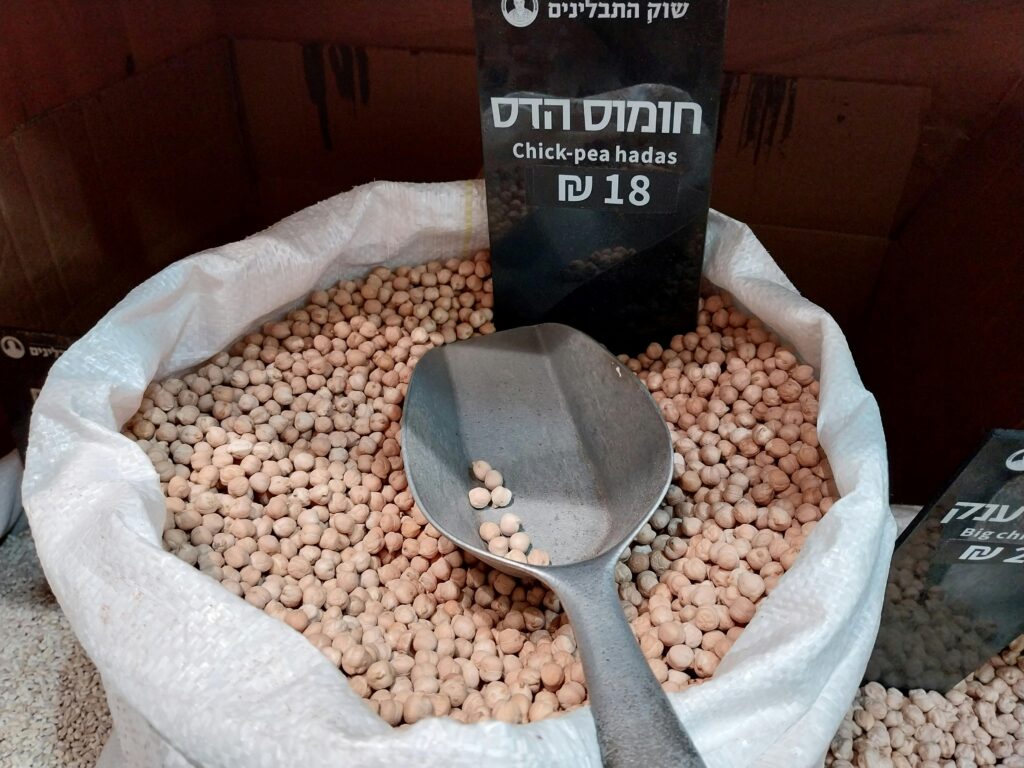
Chickpea flour has a relatively high protein content and a starch structure that holds together reasonably well once cooked, which is why chickpea pasta came closest of the three to behaving like wheat pasta in the pot. The same chickpea is doing very different work in our roundup of five bean stews built without any pork. It tolerated tossing with a sauce in the pan without breaking apart, and leftover portions reheated the next day without turning to mush.
It is also the most widely available of the three, sold in short shapes like penne and rotini as well as some long shapes like spaghetti, though the long shapes are more prone to snapping during cooking than the short ones. A short shape is the safer choice for anyone trying chickpea pasta for the first time.
A cold water rinse immediately after draining, something never recommended for wheat pasta destined for a hot sauce, actually helps chickpea pasta hold its shape a little better if it needs to sit for a few minutes before the rest of dinner is ready. It washes away some of the surface starch that otherwise continues cooking the noodle from residual heat.
Red lentil pasta: soft fast, and unforgiving of overcooking
Red lentils cook down to a soft mush faster than almost any other legume, which is exactly what makes them useful in a twenty-minute dal and exactly what makes red lentil pasta the most fragile of the three. The window between properly cooked and falling apart is short, often under a minute, and a box timer that says seven minutes can mean the difference between al dente and soup by minute eight.
Set a timer for a minute under the box’s suggested time and taste from there, testing every thirty seconds. Drain the moment it reaches the texture wanted, since the pasta continues softening in its own residual heat even after the water is gone, more aggressively than wheat pasta does.
Edamame pasta: the most protein, the most bean flavor
Edamame pasta carried the highest protein count of the three tested, often listing close to twenty-five grams per serving on the box compared to roughly half that for chickpea pasta and a similar or slightly lower number for red lentil. It held together reasonably well in the pot, closer to chickpea pasta than to the fragile lentil version, though its color, a deep forest green, is a visual departure that some eaters find offputting on first sight regardless of taste.
The bean flavor is the strongest of the three and is more noticeable in a delicate sauce than a bold one. It disappears almost entirely under a rich tomato or a strongly flavored pesto, which is where this pasta performs best.
It performs worst in a plain butter and parmesan preparation, the kind of simple dish that showcases a good wheat noodle, since there is nothing else in the bowl to balance the vegetal note. Save edamame pasta for a dish with real seasoning behind it rather than one built to let the noodle speak for itself.
It also pairs surprisingly well with dishes built on soy, ginger, and sesame, closer to a noodle bowl than an Italian plate, since those flavors sit naturally alongside the vegetal edamame note rather than fighting it the way a delicate cream sauce would.
Where each one falls apart, literally

Chickpea pasta fell apart mainly under vigorous tossing in a hot pan with a thick sauce, particularly with long shapes, where the strands snapped rather than staying intact. Adding the pasta to the sauce gently rather than tossing it hard the way a wheat noodle can withstand solved most of that problem.
Red lentil pasta fell apart from time alone, disintegrating into small pieces and a slightly cloudy, starchy cooking water well before the chickpea or edamame versions showed any strain at the same clock time. Edamame pasta fell apart mainly when stirred too vigorously while still hot and wet straight out of the colander, before any oil or sauce had a chance to coat and stabilize the strands.
The sauce weight that covers for a fragile noodle
A thin, brothy sauce does a fragile legume pasta no favors, since there is nothing to cling to the surface and hold broken pieces together on the fork. A thick, clingy sauce, whether a reduced tomato, a cheese-based sauce, or a pesto, coats the noodle and disguises minor breakage far better, holding pieces together visually even when the pasta itself has softened past its ideal point.
For red lentil pasta specifically, tossing it directly in the sauce pan for only thirty seconds rather than serving sauce spooned over a plated portion keeps it from sitting in hot liquid any longer than necessary. This single habit made a bigger difference to the finished dish than any change to the boiling time itself.
A small amount of the starchy cooking water, reserved before draining and stirred into the sauce, does the same job for legume pasta that it does for wheat: it helps a sauce cling rather than pool at the bottom of the bowl. This matters more with these three than with wheat pasta, since the starch legume pasta releases into its cooking water behaves a little differently and some cooks find it needs slightly more of it, not less, to get a sauce to grip properly.
Protein, fiber, and the numbers on the box
| Pasta | Protein per serving | Fiber per serving | Sturdiness |
|---|---|---|---|
| Chickpea | About 13-14g | About 5-8g | Highest |
| Red lentil | About 12-13g | About 8-11g | Lowest |
| Edamame | About 22-25g | About 8-10g | Middle to high |
Numbers vary by brand, and the figures above are the range seen across several common labels rather than a single fixed value. All three post considerably more protein and fiber per serving than a standard wheat pasta, which typically carries around seven grams of protein and two to three grams of fiber for the same portion size.
Digestion: fiber load and the adjustment period
The fiber content that makes legume pasta appealing on a nutrition label is also the reason a first serving can cause noticeable gas or bloating for people whose digestive systems are not used to that much fiber and legume protein at once. This is not a sign anything is wrong with the pasta; it is a normal response to a sudden increase in fermentable fiber.
Introducing it gradually, starting with a smaller portion mixed half and half with regular pasta, and drinking enough water with the meal, eases that adjustment for most people within a couple of weeks of regular eating. The same gradual approach applies to the fiber load in our guide to whole grain bowls built on farro, freekeh, and barley. Anyone with a diagnosed digestive condition that is sensitive to legumes specifically should introduce it cautiously and talk to a doctor if a normal serving causes ongoing discomfort.
The fiber content is also the reason legume pasta tends to leave people feeling fuller on a smaller portion than the same weight of wheat pasta would. That can be an advantage for anyone managing portion sizes deliberately, though it also means a recipe written for a pound of regular spaghetti may serve more people than expected when made with one of these three instead.
None of this makes legume pasta a straight upgrade over wheat pasta in every situation. A delicate dish built around a light olive oil and garlic sauce, meant to showcase a well-made semolina noodle, is still better served by the real thing, and there is no reason to swap out a dish that is not asking for more protein or fiber in the first place. The same logic applies to the plant-based mains in our piece on meatless dinners that eat like meat: swap in the ingredient where it earns its place, not everywhere at once.
Frequently Asked Questions
Which one tastes closest to regular pasta?
Chickpea pasta, both in texture and in how mild its bean flavor is once sauced. It is the easiest of the three to serve to someone who has never tried a legume pasta and does not want to be told what it is made from in advance.
Can these be used in a cold pasta salad?
Chickpea and edamame hold up reasonably well cold, though both firm up and can taste slightly starchy once fully chilled, more so than wheat pasta does. Red lentil pasta is a poor choice for a cold salad, since it tends to break down further as it sits.
Do they need a different amount of salt in the cooking water?
The same amount used for wheat pasta works fine. The bigger adjustment is time, not salt, and salting the water generously still helps the pasta itself taste seasoned through rather than only on the surface.
Are these pastas actually gluten-free?
Chickpeas, lentils, and edamame contain no gluten naturally, but anyone with celiac disease should check the label for a certified gluten-free claim, since shared manufacturing equipment can introduce cross-contact even in a product made from naturally gluten-free ingredients.
Is one of the three the clear winner?
Chickpea pasta wins on texture and versatility, edamame wins on protein content, and red lentil wins on speed and a genuinely different flavor that suits a spiced dish well. Which one is best depends more on what is going on top of it than on the pasta alone.
Buy the chickpea version first if only one gets tried, cook it a minute under the box time, and toss it gently in whatever sauce is already planned for dinner. The other two are worth trying once that one has proven the category is not just a health claim printed on a box.