A pound of beef is not much meat for four people. Cut into steaks it is four small, disappointing steaks. Sliced into strips two millimetres thick, marinated for ten minutes and thrown into a screaming pan, it covers four bowls of rice with enough left over that nobody counts.
The whole trick is the thickness. Thin meat cooks in under a minute, takes marinade in ten instead of overnight, and reads as generous because it is spread across a bowl rather than sitting in one lump. It also means a cheaper cut behaves like an expensive one, which is the part that matters on a Tuesday.
Twenty-five minutes, one pan, one pot of rice, and a bowl of cucumbers that pickle themselves while the rice steams. Here is the order it runs in and the four or five places it can go wrong.
- Clock: 25 minutes, about 15 of it hands on
- Meat: 1 pound, sliced against the grain at roughly an eighth of an inch
- Marinade: soy, grated pear, sugar, sesame oil, garlic, pepper. Ten minutes, not longer
- Pickle: cucumbers in vinegar and sugar, ready by the time the rice is
- The pan: as hot as it goes, meat in two batches, never crowded
- Serves: four bowls, with rice doing half the work
Twenty-five minutes only if the beef is sliced first
Put the rice on before anything else touches a board. A cup and a half of short or medium grain rice, rinsed until the water runs close to clear, takes about eighteen minutes on the stove plus ten resting, and every other job in this recipe fits inside that window.
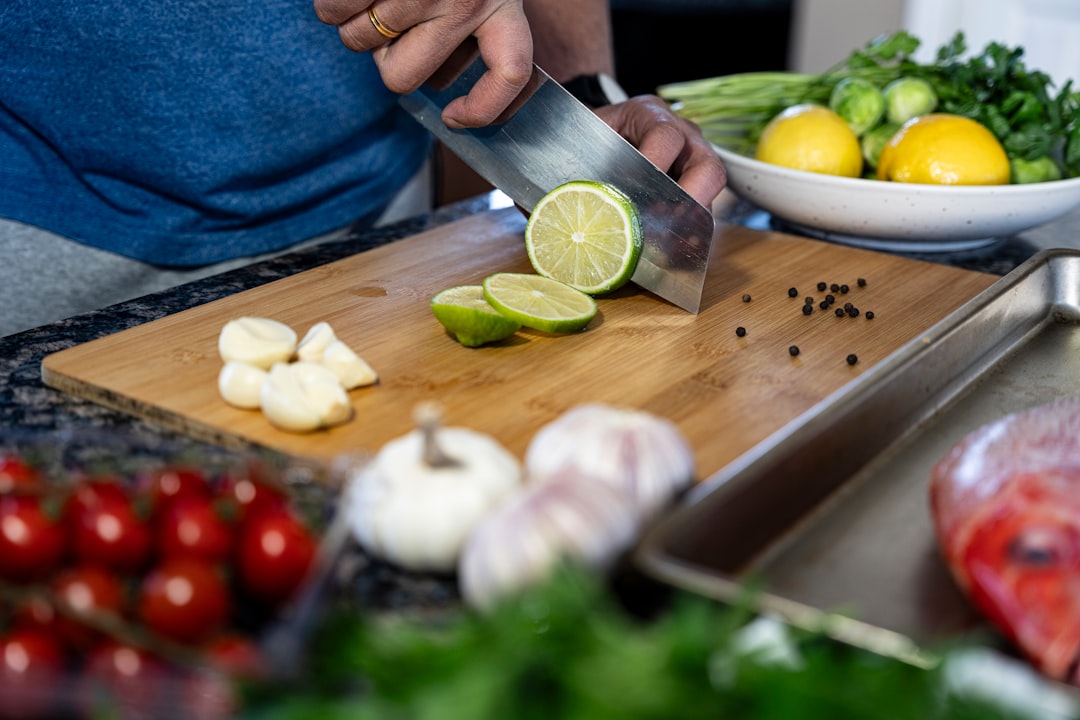
Then slice. This is the step that takes real time and the one people try to shorten by buying thicker meat, which does not work. Thick strips need longer in the pan, longer in the marinade, and they steam instead of browning because the pan cools around them.
Once the meat is sliced, everything else is ten minutes of small tasks. Grate the pear, mix the marinade, cut the cucumbers, slice the scallions. Nothing after the slicing is difficult, and nothing after the slicing takes longer than the rice.
The cut, and twenty minutes in the freezer
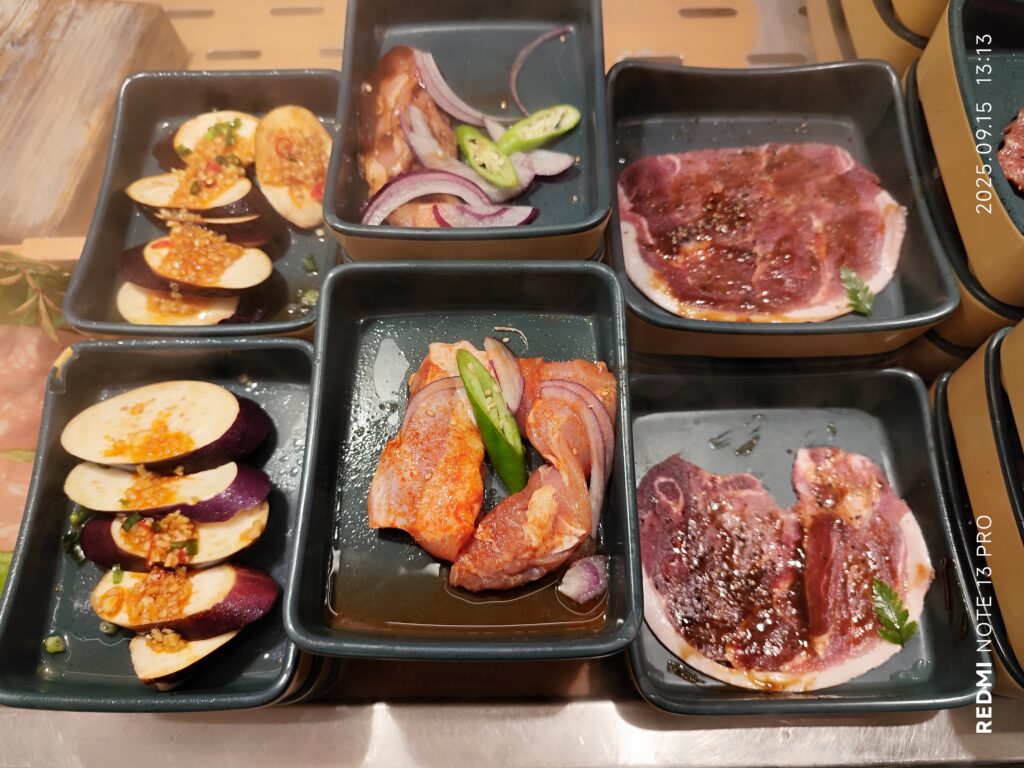
Sirloin, flank, skirt, chuck eye, or a thin ribeye all work. Chuck eye is the value choice: it has the marbling of a ribeye at a fraction of the price, and thin slicing solves the toughness that keeps people away from it. Avoid anything labelled stew meat, which is cut from muscles that need hours.
Put the meat in the freezer for twenty minutes before slicing, or take it out of the freezer forty minutes before if it was already frozen solid. Firm, cold meat holds still under a knife. Room temperature beef squashes and tears, and you end up with ragged pieces of uneven thickness that cook at four different rates.
Find the direction of the muscle fibres and cut across them at a slight angle. Against the grain is not a refinement here; on a cut like flank it is the difference between tender and impossible. If a Korean or Japanese grocery is within reach, the pre-sliced beef sold frozen for hot pot and bulgogi is cut on a machine to a thickness no home cook matches, and it costs less than the time saved is worth.
Pear in the marinade is not a garnish
Asian pear, grated on the coarse side of a box grater, is a standard part of a bulgogi marinade and it is doing two jobs. It brings sugar, which is where the caramelisation on the edges of the meat comes from. It also brings enzymes that break down protein, which is why ten minutes in this marinade does more than an hour in one made of soy and sugar alone.
Half a pear for a pound of meat, grated with its juice. A ripe Bosc or a sweet apple stands in acceptably if the Asian pear is not available, and a tablespoon of pear juice or apple juice does most of the sugar’s work if fresh fruit is not happening at all.
Kiwi is the substitute people reach for and it is a trap. Its enzyme is far more aggressive, and fifteen minutes with grated kiwi turns thin beef into something with the texture of wet paper. If kiwi is the only option, use a teaspoon of it and set a timer for eight minutes.
Ten minutes is enough, and an hour is worse
With meat this thin, marinade penetrates almost immediately, and the enzymes keep working the entire time. There is no reward for patience. The version left an hour comes out softer, mushier at the edges, and browns less well because it has taken on more liquid.
Mix the marinade in the bowl the meat will sit in: three tablespoons of soy sauce, the grated pear, a tablespoon of brown sugar, a tablespoon of toasted sesame oil, three cloves of garlic grated, a teaspoon of grated ginger, and a lot of black pepper. Add the sliced beef and work it through with your hands so every piece is coated.
Then leave it on the counter for exactly the length of time the other prep takes, which is about ten minutes, and get it into the pan. If the schedule slips and it is going to be longer than twenty minutes, put the bowl in the refrigerator rather than leaving it out, and accept that thirty is the outer edge of useful. A longer marinade is not the same principle as a marinade built for a thick cut, where hours are the point.
A korean beef bowl for four, step by step
- Rinse a cup and a half of short grain rice until the water runs mostly clear. Cook it with an equal volume of water, covered, and do not lift the lid.
- Put a pound of chuck eye, sirloin or flank in the freezer while you set everything else out.
- Grate half an Asian pear into a large bowl. Add three tablespoons soy sauce, a tablespoon brown sugar, a tablespoon toasted sesame oil, three grated garlic cloves, a teaspoon grated ginger and half a teaspoon of coarse black pepper. Stir.
- Take the beef out and slice it against the grain about an eighth of an inch thick. Add it to the bowl and mix by hand until every strip is coated. Leave it.
- Slice two small cucumbers into thin coins. Toss with a teaspoon of salt, leave five minutes, then squeeze out the water and dress with two tablespoons rice vinegar, a teaspoon sugar, a pinch of chile flakes and a splash of sesame oil.
- Slice four scallions on a long angle, keeping the white and green parts separate. Toast a tablespoon of sesame seeds in a dry pan.
- Heat a large heavy skillet or a carbon steel pan over the highest heat you have until a drop of water skitters. Add a teaspoon of neutral oil.
- Add half the beef in a single layer with as little marinade as possible. Leave it ninety seconds without touching it, then turn and cook another thirty to sixty seconds until no pink remains. Move it to a plate.
- Repeat with the second half. Add the scallion whites to the last batch for the final thirty seconds.
- Return all the beef and any resting juices to the pan, pour in the leftover marinade, and let it bubble hard for about a minute until it glazes the meat and there is no raw liquid left.
- Fluff the rice. Build four bowls: rice, beef with its glaze, cucumbers on the side, scallion greens and sesame seeds over the top.
An empty-hot pan and meat that is not wet
Two things ruin the browning and both are avoidable. The first is crowding. A pound of beef in one pan releases enough water to drop the surface temperature below the point where anything browns, and what comes out is grey and boiled. Two batches, ninety seconds each, is not a suggestion.
The second is carrying the marinade into the pan. Lift the meat out with tongs or your fingers and let it drip. The marinade goes in later, at the end, where it reduces into a glaze in under a minute. Poured in at the start it becomes a shallow pool the meat simmers in.
Cast iron, carbon steel, or a heavy stainless pan all work. A thin nonstick pan does not get hot enough and its coating is not meant for this heat anyway. If the only option is nonstick, cook in three batches instead of two and expect less colour.
Cucumbers that pickle themselves while the rice cooks
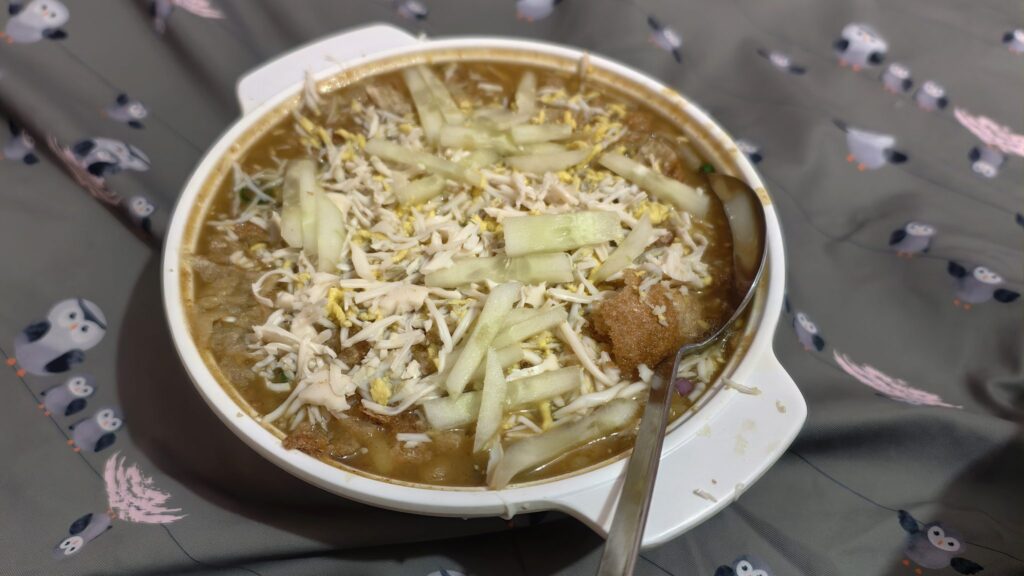
Salting first is the step people skip and it is what separates a crisp pickle from a watery one. A teaspoon of salt on sliced cucumbers pulls out a surprising amount of liquid in five minutes. Squeeze it out, discard it, and the vinegar goes into a vegetable that has room for it.
Two tablespoons of rice vinegar, a teaspoon of sugar, a pinch of gochugaru or any coarse chile flake, and a few drops of sesame oil. That is the whole dressing and it needs about ten minutes to be worth eating. It is better at twenty and still good the next day, though it softens.
The pickle is not optional in the way a garnish is optional. The beef is sweet and salty and rich, and after four bites it needs something sharp to reset against. Kimchi does the same job if there is a jar open, and so does a plain bowl of vinegared shredded cabbage.
Raw beef, the board, and cooking it through
Thin-sliced beef is handled more than a steak is, and it touches more surfaces. Slice it on a board that is not about to be used for the cucumbers, wash your hands and the knife between the meat and the vegetables, and keep the marinating bowl away from anything going to the table raw.
Whole cuts of beef are safe at a lower internal temperature than ground beef, but slices this thin pass through that range in seconds and there is no practical way to serve them rare. Cook until no pink remains, which happens in about two minutes total, and do not aim for medium-rare with pieces this size. Standard public food safety guidance on internal temperatures and separate boards applies here exactly as it does to any raw meat.
The leftover marinade goes into the pan at the end and boils hard for a full minute. That is what makes it safe to use as a glaze, since it has been sitting in contact with raw meat. Never spoon it over the finished bowls straight from the bowl.
Leftovers, and what they turn into
Cooked beef keeps three or four days refrigerated and reheats badly in a microwave, where it goes tough and rubbery. Thirty seconds in a hot dry pan is the better route, or skip the reheating and let it come to room temperature, which is how it is often eaten anyway.
The second dinner is the one worth planning for. Chop the cold beef, fry it into rice with a beaten egg and the last of the scallions, and it becomes a completely different meal in eight minutes. Or fold it into a lettuce wrap with rice, the cucumbers, and a spoonful of gochujang thinned with sesame oil.
Cooked rice needs its own attention. Cool it quickly by spreading it in a shallow container rather than leaving the pot on the stove, refrigerate within two hours, and reheat it thoroughly with a splash of water. Rice left warm on a counter overnight is one of the genuinely common causes of household food poisoning, and it is the sort of thing worth building into any routine that cooks ahead for the week.
Frequently Asked Questions
Can I use ground beef instead?
You can and it makes a decent bowl, but it is a different dish. Ground beef will not take the marinade the same way and it needs to be cooked to a higher internal temperature than sliced beef. Brown it first, drain the fat, then add the marinade and reduce.
What if I cannot find Asian pear?
A ripe Bosc pear or a sweet apple, grated, gets close. Failing that, use two tablespoons of pear or apple juice and add an extra teaspoon of sugar. The tenderising effect is weaker but with meat cut this thin it barely matters.
Is this the same as bulgogi?
It is built on the same marinade and the same cut, shortened for a weeknight and served over rice rather than with a spread of side dishes. Anyone who grew up eating it would call the marinade familiar and the presentation American.
Can the beef be marinated in the morning?
Not with the pear in it. The enzymes will keep working all day and the texture suffers badly. Mix the soy, sugar, sesame oil, garlic and ginger in the morning, keep it refrigerated, and grate the pear in ten minutes before cooking.
What else goes in the bowl?
Blanched spinach dressed with sesame oil, a fried egg, shredded carrot, or a spoonful of any kimchi in the refrigerator. Keep the additions on the cold side, since everything hot in the bowl is already sweet and rich and another warm element flattens it.
Slice the beef first, before the rice water even boils, and the rest of the recipe stops being a race. Everything after that step is grating, whisking, and ninety seconds of noise from the pan.