Most green salads start wilting within twenty minutes of being dressed, which makes them one of the worst-suited dishes for a holiday buffet that might run two or three hours from the first guest to the last plate served. A winter salad for holiday tables needs a completely different approach: built on ingredients sturdy enough to hold their structure and dressed in a way that does not immediately soften them.
Three versions cover most of what a holiday table needs from a salad course: a shaved raw vegetable salad, a bitter leaf salad, and a grain salad, each built and dressed with its own specific hold-time trick. None of them wilts into a sad, soggy pile after sitting out through a long, leisurely meal.
What follows is all three, why the vegetables chosen for each hold up where lettuce would not, and the dressing technique specific to each that keeps it looking and tasting fresh two hours after it first went on the table.
- Three salads: shaved raw vegetable, bitter leaf, and grain
- Hold time target: two hours at room temperature on a buffet
- What all three share: sturdier ingredients than a delicate lettuce salad
- Dressing timing: each has its own specific window for when to add it
- Make ahead: components for all three can be prepped a day in advance
- Safe holding: none of these contain ingredients that spoil quickly at room temperature within the two-hour window
Why a winter salad for holiday buffets needs different rules than a summer one
A summer salad, often built on tender lettuce and juicy tomatoes, is meant to be dressed and eaten within minutes, and it has no real path to surviving two hours on a buffet table without turning to mush. Winter produce works in the salad’s favor here: fennel, cabbage, radicchio, and hardy grains are all naturally sturdier structures than a leaf of butter lettuce, built to hold moisture and shape rather than collapsing the moment acid or salt touches them.
Choosing the right base ingredient does more for a buffet-ready salad than any trick with the dressing itself, which is why all three versions below start from vegetables and grains that were never going to wilt quickly in the first place, before any technique is applied on top of that natural advantage.
Shaved raw vegetables: the salad built to hold the longest
Thin-shaved fennel, cabbage, and Brussels sprouts, cut on a mandoline or with a sharp knife into ribbons rather than left in larger pieces, hold their crunch far longer than a leafy salad once dressed, since their dense, layered structure resists breaking down from acid and salt the way a delicate lettuce leaf does almost immediately.
Dress this one fully up to an hour before serving, tossing occasionally if there is a chance to check on it, since the vegetables’ sturdiness gives real flexibility on timing that a leaf-based salad simply does not allow. A finishing squeeze of lemon and a scattering of toasted nuts added just before the salad goes out keeps the top layer looking freshly finished even if the base was dressed well in advance.
Bitter leaves, and the dressing that keeps them from going limp
Radicchio and endive are considerably sturdier than a soft lettuce, closer in structure to a firm cabbage leaf than to spinach, which lets them hold a light dressing for a genuine stretch of time without collapsing. Their natural bitterness also means they read as intentional and interesting rather than merely wilted if their texture does soften slightly over a couple of hours, unlike a plain green salad that just looks tired.
The trick specific to this salad is dressing the cut leaves lightly and reserving a small amount of dressing to refresh the top just before serving, rather than pouring the full amount on at once early in the day. A light initial coat keeps the leaves from sitting in pooled acid for hours, which is what actually breaks down their structure over time, more than the mere presence of dressing itself.
Grain salad: the one built for the longest table life
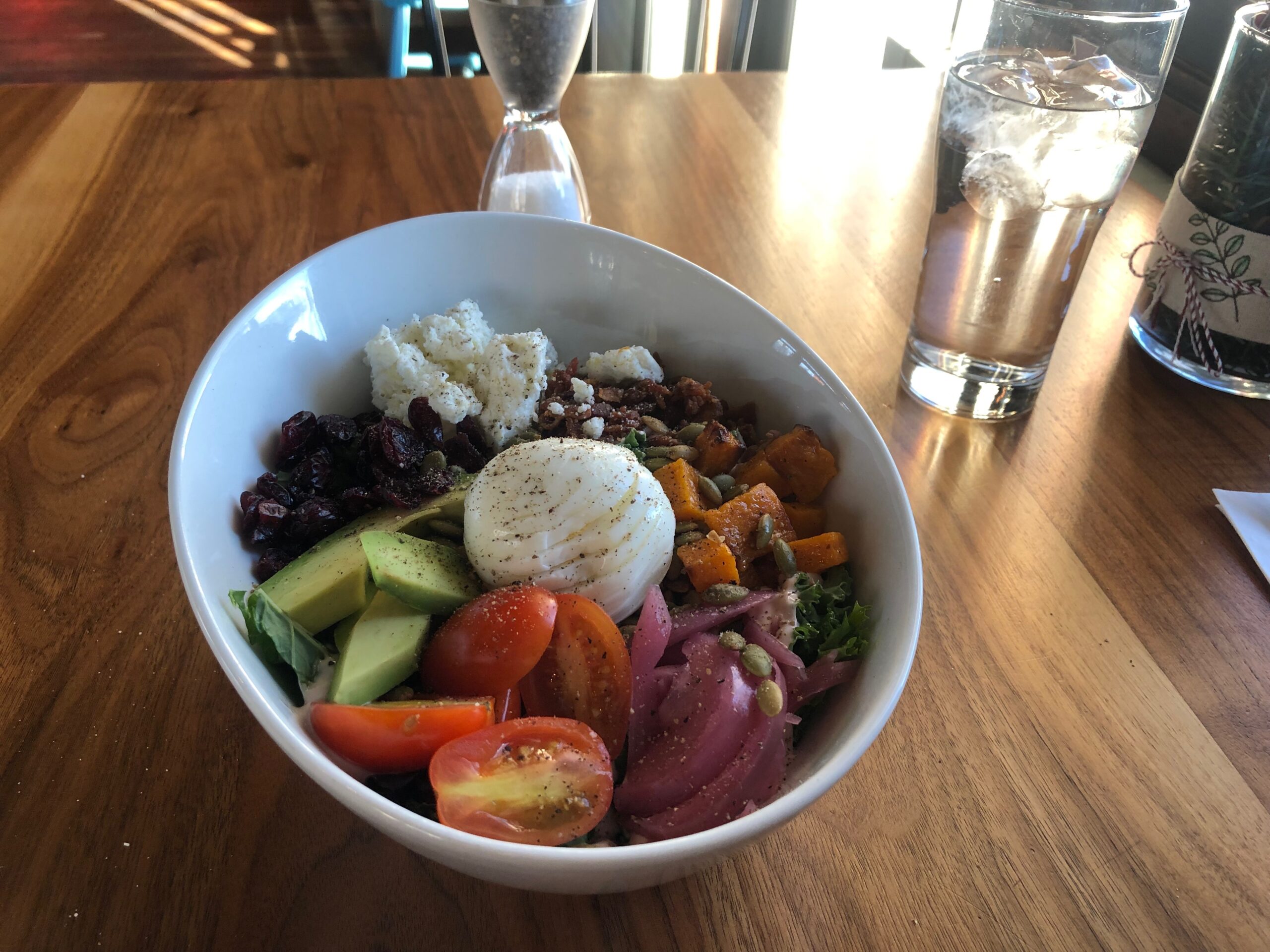
A salad built on farro, wheat berries, or another sturdy whole grain, tossed with roasted squash, dried cranberries, and a handful of herbs, is the most forgiving of the three for a long buffet, since grains do not wilt in any meaningful sense and can sit dressed for the entire length of a meal without a noticeable change in texture.
This is the one salad here that genuinely benefits from being dressed well ahead of time, even a few hours before guests arrive, since the grains absorb some of the dressing as they sit, deepening the flavor rather than degrading the texture the way a leaf-based salad would under the same treatment.
A side-by-side comparison of hold time and dressing timing
| Salad | When to dress | Approx. hold time |
|---|---|---|
| Shaved raw vegetable | Up to 1 hour before serving | 2 to 3 hours |
| Bitter leaf | Light coat ahead, refresh at serving | 2 hours |
| Grain | Several hours ahead, even the day before | 3 hours or more |
The grain salad is the safest choice for anyone uncertain about timing a holiday meal precisely, since it is the most forgiving of the three if the meal runs later than planned. The bitter leaf salad needs the most attention at the exact moment of serving, which is worth knowing before deciding which of the three to take on for a first attempt at a buffet-ready salad.
Building each salad’s dressing to actually hold
A dressing built with more oil relative to acid coats each piece of vegetable or grain more thoroughly and resists separating over a long stretch of time better than a sharper, more acid-forward vinaigrette does. For all three salads here, a ratio closer to three parts oil to one part acid, rather than the more common two to one, holds its emulsion and its coverage noticeably longer sitting out.
Whisking in a small amount of Dijon mustard also helps stabilize the emulsion for a longer stretch, keeping the oil and vinegar from visibly separating in the serving bowl the way a simpler oil-and-vinegar mix tends to after sitting for an hour or more.
Food safety on a long buffet table
None of the three salads here contain dairy, egg, or meat, which puts them in a lower-risk category for sitting out at room temperature compared to a dish built on mayonnaise or a cream-based dressing, and all three can reasonably hold for the two-to-three-hour window described without a food safety concern specific to their ingredients. That said, the general two-hour guideline for perishable food left at room temperature still applies as a sensible outer limit for any dish on a buffet table, this one included.
If a holiday gathering runs notably longer than that, refreshing the serving bowl with a smaller portion held in the refrigerator, rather than leaving one large bowl out for the entire event, is the more cautious approach, particularly for any version of these salads that includes cheese or nuts that can pick up off flavors sitting out too long in a warm room.
Scaling any of the three for a larger crowd
All three salads scale up cleanly by simply multiplying the vegetable and grain quantities, though the dressing should be made in a separate larger batch and added gradually rather than assuming a doubled dressing recipe will coat a doubled amount of salad evenly on the first pour. Tossing in stages, adding a portion of the dressing, mixing, then adding more as needed, avoids both an underdressed and an oversaturated result.
For a very large gathering, splitting one of the three salads across two serving bowls rather than one oversized bowl also helps with even dressing distribution and makes it easier for guests near either end of a long table to serve themselves without waiting.
Why the acid choice matters as much as the ratio
Beyond the oil-to-acid ratio itself, the specific acid used changes how well a dressing holds over a long buffet. A sharper vinegar, like sherry or red wine vinegar, tends to hold its character better over a few hours than fresh citrus juice, which can turn slightly bitter or flat as its brighter top notes fade with time and exposure to air.
For the shaved vegetable and grain salads, a good vinegar as the primary acid, with a splash of fresh lemon added only at the final toss before serving, gets the benefit of both: a stable base dressing that holds through the buffet, and a bright, fresh top note added right before guests see the dish. The bitter leaf salad, dressed and refreshed in two stages as already described, can lean more heavily on citrus throughout, since it is never sitting fully dressed for more than an hour or so at a stretch.
Choosing serving vessels that help rather than hurt
A wide, shallow bowl exposes more of the salad’s surface area to the room’s air than a deep, narrow one, which speeds up both wilting and any dressing separation happening over the course of a long buffet. A deeper bowl, even holding the same volume of salad, keeps more of it insulated from that exposure and tends to look fresher by the time the last guests serve themselves.
Serving any of the three salads over a bed of ice, in a bowl nested inside a larger one filled with ice, is a restaurant trick that works well for a home buffet too, keeping the temperature down without requiring anyone to refresh the dish partway through the event. This matters most for the shaved vegetable salad, which benefits from staying cool more than the grain salad does.
What happens if a salad sits out longer than planned
A holiday meal rarely runs exactly on schedule, and any of these three salads sitting an extra thirty minutes or an hour beyond its ideal window is not a food safety emergency, though the texture will continue to soften gradually the longer it sits, particularly for the bitter leaf version. Checking in on the serving bowl periodically, giving it a gentle toss, and topping with a small amount of reserved fresh dressing or a few freshly cut leaves can extend a salad’s presentable life meaningfully without much additional effort.
If a gathering runs dramatically longer than expected, several hours past the two-to-three-hour target, replacing the serving bowl with a smaller fresh portion kept refrigerated until needed is a more reliable fix than trying to revive an already-wilting bowl that has been out the whole time.
Frequently Asked Questions
Can these salads be fully assembled the day before?
The grain salad handles this well. The shaved vegetable and bitter leaf salads are better prepped, sliced and stored separately from the dressing, a day ahead, then combined and dressed on the day itself.
What if I only have time to make one of the three?
The grain salad is the most forgiving choice for a first attempt, since its hold time is the longest and its dressing timing the least fussy of the three.
Can regular lettuce be added to any of these for more volume?
It can, but adding a delicate lettuce undoes much of the point, since it will wilt well before the sturdier ingredients do. If more volume is needed, add more of the sturdy base vegetable instead.
Do nuts and cheese need to be added at the last minute?
Nuts hold up fine added ahead of time, though they lose some crunch after a couple of hours. Cheese, particularly a soft variety, is best added close to serving both for texture and for food safety on a long buffet.
Is a heavier dressing really necessary, or does that make the salad greasy?
The three-to-one ratio suggested here is a modest shift from a standard vinaigrette, not a dramatically oilier one, and it is aimed at holding an emulsion rather than making the salad taste heavy. Taste and adjust to preference once the technique is familiar.
A holiday buffet rewards dishes that improve, or at least hold steady, the longer they sit rather than ones that need to be served within minutes of finishing. All three of these earn their place specifically because they were built with that long table in mind from the start.